Home >
Demolition Contractors Insurance Guide >
Blasting, Drilling and Demolition Contractors Liability
This page is part of the broader Demolition Contractors Insurance Guide, which helps contractors understand the essential coverage options available to manage the risks associated with demolition and related activities. Understanding liability insurance is crucial for those involved in this high-risk field, along with considerations for Demolition Contractors and Business Auto for Demolition Contractors, as managing operational risks effectively ensures your business remains protected.
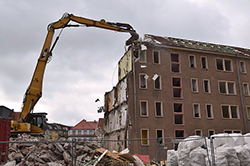
Demolition is serious (and dangerous) work. The process of bringing down an existing building and/or clearing out a lot for new ventures involves precise math and a great deal of experience and skill. It goes without saying that there is a significant amount of danger involved. Given the elevated risks, it's essential for all individuals engaged in drilling, blasting, or demolition to secure adequate insurance coverage.
To navigate the inherent risks in demolition work, contractors should recognize the potential for job site accidents and environmental impacts, which can lead to expensive claims or cleanup efforts. It is vital to ensure your liability insurance meets these specific operational requirements.
Read on for more useful information or click now to instantly connect with a local insurance expert specializing in coverage for your demolition business. We discuss insurance options for the following -
- Blasting Contractors Liability Insurance
- Drilling Contractors Liability Insurance
- Demolition Contractors Liability Insurance
Does Your Demolition Business Require Liability Insurance?
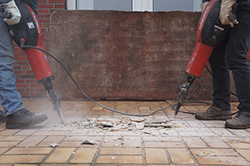
Both manual and mechanical demolition work entail significant risks. If your company utilizes explosives, excavators, cranes, bulldozers, wrecking balls, or other heavy equipment, obtaining a robust demolition contractor's liability insurance policy is crucial. This insurance not only shields you and your business in case of damage to surrounding areas and structures but also provides essential protection if any individuals are injured during the process.
Moreover, many policies extend coverage to include pollution liability, offering added protection against unintentional pollution resulting from construction materials. This proactive measure helps prevent prolonged disputes and legal battles. For more on coverage tailored to demolition risks, visit the Demolition Business Insurance page.
What is Usually Covered Under General Liability Insurance?
Bodily Injury
If someone other than an employee gets injured at your job site, you could be held responsible for their medical expenses. This could involve injuries from demolition machinery or a client accidentally tripping over equipment. The bodily injury portion of your drilling contractor liability insurance will cover these medical bills, including hospital visits and ongoing medical care.
Property Damage
You might also need to pay for repairs or replacements of property that belongs to visitors if it gets damaged while on your site. Property damage coverage will handle these expenses, whether it's fixing a damaged car in the parking lot or replacing a broken piece of equipment.
Products and Completed Operations
If your services or products cause harm to customers, this coverage is essential. It pays for medical treatments and compensates anyone who becomes ill or injured because of your work. This can include issues arising long after the project is completed, such as structural damage that leads to injuries.
Medical Payments
Even if an injured person does not take legal action, you might still need to cover their medical expenses. Medical payments coverage ensures these costs are handled without draining your finances, covering immediate medical expenses regardless of fault.
Personal and Advertising Injury
Running a business exposes you to risks like accusations of copyright infringement, slander, or libel. This part of your liability insurance can cover legal fees, settlements, and judgments if you are accused of these offenses. It protects your business from financial losses due to non-physical injuries caused by your advertising or business operations.
Damage to Rented Premises
If you rent a building and it gets damaged, this coverage will pay for the repair costs. This includes damages from fires, vandalism, or other incidents that occur while you are leasing the property. It ensures you can meet your lease obligations without facing significant out-of-pocket expenses.
Tailored Coverage for Specific Demolition Activities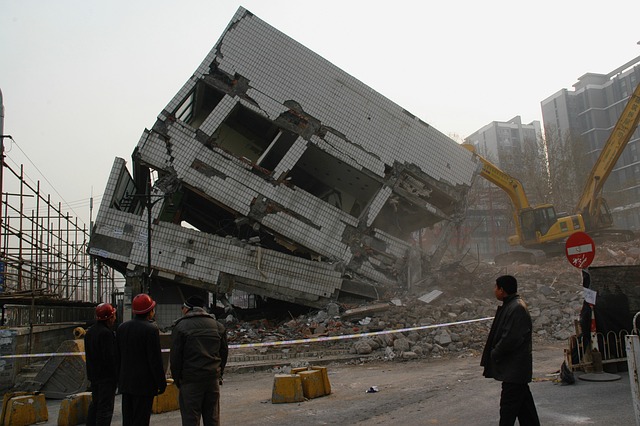
It's crucial to recognize that demolition liability insurance doesn't come in a one-size-fits-all package. Your coverage requirements will depend on the specific aspects of your demolition work. For example, some demolition projects may involve drilling and blasting, while others might enlist separate contractors for these specialized tasks. In either scenario, tailored insurance coverage is necessary to address the distinct risks associated with each method.
Contractors working with heavy machinery or handling structural collapse risks may face exposures not covered by basic commercial liability. These include job-site hazards, equipment damage, and environmental concerns.
Crafting a Comprehensive Insurance Strategy
While Contractual Liability and XCU or explosion, collapse, and underground coverage are not always included in a standard General Liability policy, they can be added as endorsements or separate policies to provide comprehensive protection for contractors engaged in specialized or high-risk activities.
- Contractual Liability Coverage addresses liabilities assumed under contracts, which may not be covered by a standard policy but are crucial for many contractors who regularly enter into agreements with clients, vendors, or subcontractors.
- XCU Coverage, on the other hand, is specifically designed to address the unique risks associated with high-risk activities such as demolition, blasting, and drilling. These activities have a higher potential for catastrophic events like explosions, collapses, or damage to underground structures, which may not be adequately covered by a standard General Liability policy.
In addition to the liability risks posed by incidents affecting the public, it's crucial to acknowledge the potential for injuries among your own workforce, as well as the possibility of losses resulting from accidents and incidents involving your business and its vehicles.
Workers' Compensation is especially relevant in this industry, where workers are exposed to hazards such as falling debris, equipment malfunctions, and structural collapses. In the event of a work-related injury or illness, Workers' Compensation ensures that employees receive prompt medical treatment, rehabilitation services, and financial support for lost wages.
Property and Equipment Insurance is equally essential. These policies safeguard your valuable assets, including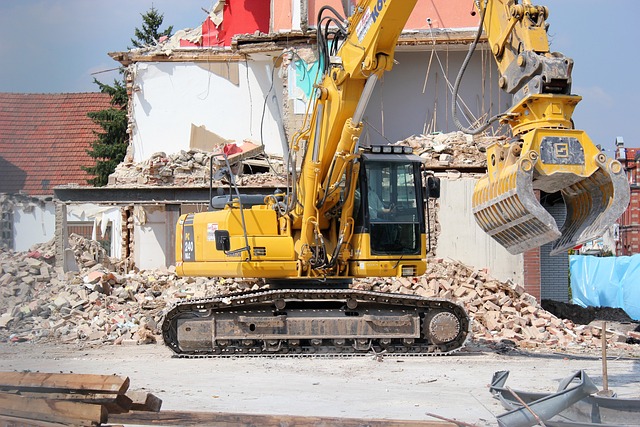 equipment and machinery, against various risks such as theft, damage, or natural disasters.
For broader protection, Excess/Umbrella Insurance adds an extra layer of liability coverage when primary limits are exhausted. This is particularly valuable when working on large-scale demolition projects where financial exposures are higher.
For more on construction-related insurance solutions, consider exploring Construction Insurance for Commercial Projects.
Auto Coverage ensures that business vehicles, often integral to your operations, are fully protected against accidents and damages on the job site and during transportation.
Reach out to us now to discuss your insurance needs and discover how we can tailor a policy to fit your specific business requirements.
Related Coverages
Frequently Asked Questions
What does demolition liability insurance typically cover?
It generally covers third-party bodily injury, property damage, pollution incidents, and completed operations related to demolition, drilling, or blasting activities.
Is this type of insurance required by law?
Requirements vary by state and project type. While not always legally required, many clients and contracts mandate proof of coverage.
Who should consider this insurance?
Contractors involved in demolition, excavation, blasting, or structural dismantling should strongly consider this insurance to protect against substantial risk exposures.
Can I get coverage for equipment damage?
Yes, with separate equipment or property insurance policies, you can cover machinery used on job sites against damage, theft, or loss.
What is XCU coverage?
XCU stands for explosion, collapse, and underground coverage—important for high-risk demolition and drilling operations.
Still have questions? Talk to a local insurance expert.