The Necessity of Boat Relocation
As a boat owner, you'll often find yourself needing to relocate your vessel for various reasons.
- You could be looking for better facilities or aiming to be nearer to your home or preferred cruising
 destination.
- Sometimes, maintenance issues crop up, necessitating a trip to a repair facility on land, while offseason storage requires finding a secure spot.
- When inclement weather, like the looming threat of a hurricane approaches, it's prudent to move your boat to a safer location to minimize potential damage.
- Regulatory changes may also spur a move to ensure compliance.
- Moreover, buying or selling transactions, exploring new waters, or addressing emergencies may all require you to relocate your boat.
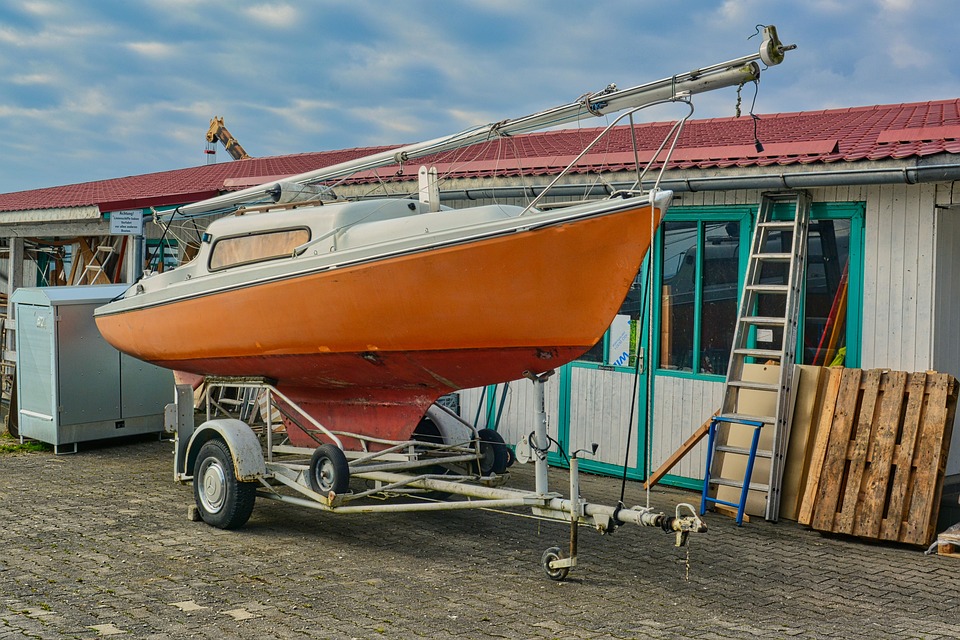
The size of boats that can be transferred using your car and trailer depends on the towing capacity of your vehicle and the specifications of your trailer. Generally, smaller boats such as dinghies, kayaks, and small sailboats can be easily transported using a car and trailer setup.
However, larger boats, especially those exceeding the towing capacity of your vehicle or requiring specialized equipment for transport, may necessitate the use of a professional boat hauler or specialized transport service.
The Potential Hazards of Boat Transportation
Transporting your boat on public roads presents various dangers that require careful consideration, even for the most cautious driver.
- One of the primary risks is the potential for accidents, which can occur due to factors such as sudden lane changes, trailer malfunctions, or adverse weather conditions. These accidents can result in significant property damage to the boat, trailer, and other vehicles involved, as well as potential injuries to drivers and passengers.
- Additionally, navigating through traffic, road construction, and narrow or winding roads can pose challenges for drivers, increasing the likelihood of accidents or damage to the boat.
- Moreover, improper loading or securing of the boat on the trailer can lead to instability during transport, further increasing the risk of accidents and damage.
Insurance Coverage for Accidents During Boat Transport: How Am I Protected?
In the unfortunate event you have an accident while hauling your boat, different types of insurance may come into play to help cover various aspects of the damage and associated liabilities.
Existing insurance policies such as auto insurance, boat insurance, and homeowners' insurance may leave coverage gaps when it comes to liabilities associated with towing your boat. These gaps support the need for standalone liability insurance specifically tailored to address risks during boat transport:
- Auto Insurance: While auto insurance covers your vehicle and liabilities while driving, coverage for damage to the boat being towed, liability for accidents while hauling, and specific incidents like loading or unloading accidents may not be adequately addressed.
Does my auto insurance policy extend coverage to include my trailer as well?
It is important to note that some auto insurance policies may automatically extend coverage to trailers being towed by the insured vehicle. This coverage is usually limited and may only apply to liability risks while the trailer is attached to the insured vehicle. However, coverage for physical damage to the trailer itself may be limited or excluded altogether.
- Boat Insurance: Although boat insurance provides comprehensive coverage for risks on the water, it may have limitations for liabilities during transport. Coverage for accidents occurring while hauling, especially during loading or unloading, may not be fully covered, leaving you exposed to potential liabilities.
- Homeowners' Insurance: This policy generally offers limited coverage for boats stored on your property but may not extend to liabilities during transport.
When it comes to transporting watercraft, especially on a trailer, homeowners’ insurance is unlikely to provide coverage for risks such as accidents, collisions, or damage during transit.
Similarly, liability coverage under homeowners’ insurance may not apply to accidents involving the watercraft while it is being transported on public roads. Liabilities for accidents on public roads and limitations on covered boat types and circumstances can create significant coverage gaps.
Benefits of Boat Haulage Liability Insurance
This policy is highly sought after by various stakeholders in the boating industry including:
- Individual Boat Owners
- Marinas
- Haulage Firms
- Manufacturers
- Dealers
Boat Haulage Liability Insurance can be written on both personal and commercial lines.
This means that individuals as well as businesses involved in transporting boats can purchase this type of insurance to protect their assets and liabilities associated with boat transport. Whether it's for personal use or commercial operations, boat haulage liability insurance offers tailored coverage to meet the specific needs and requirements of the insured.
Personal Lines Boat Haulage Liability Insurance for Individual Boat Owners
Key Features:
- Liability protection for accidents during boat transport
- Coverage for bodily injury or property damage to third parties
- Protection for the boat, trailer, and towing vehicle against damage during transit
- Emergency assistance services for breakdowns or accidents
- Legal expense coverage for defense against lawsuits arising from covered incidents
Commercial Lines Boat Haulage Liability Insurance for Businesses in the Maritime Sector
Key Features:
- Broad liability protection for accidents during commercial boat transport
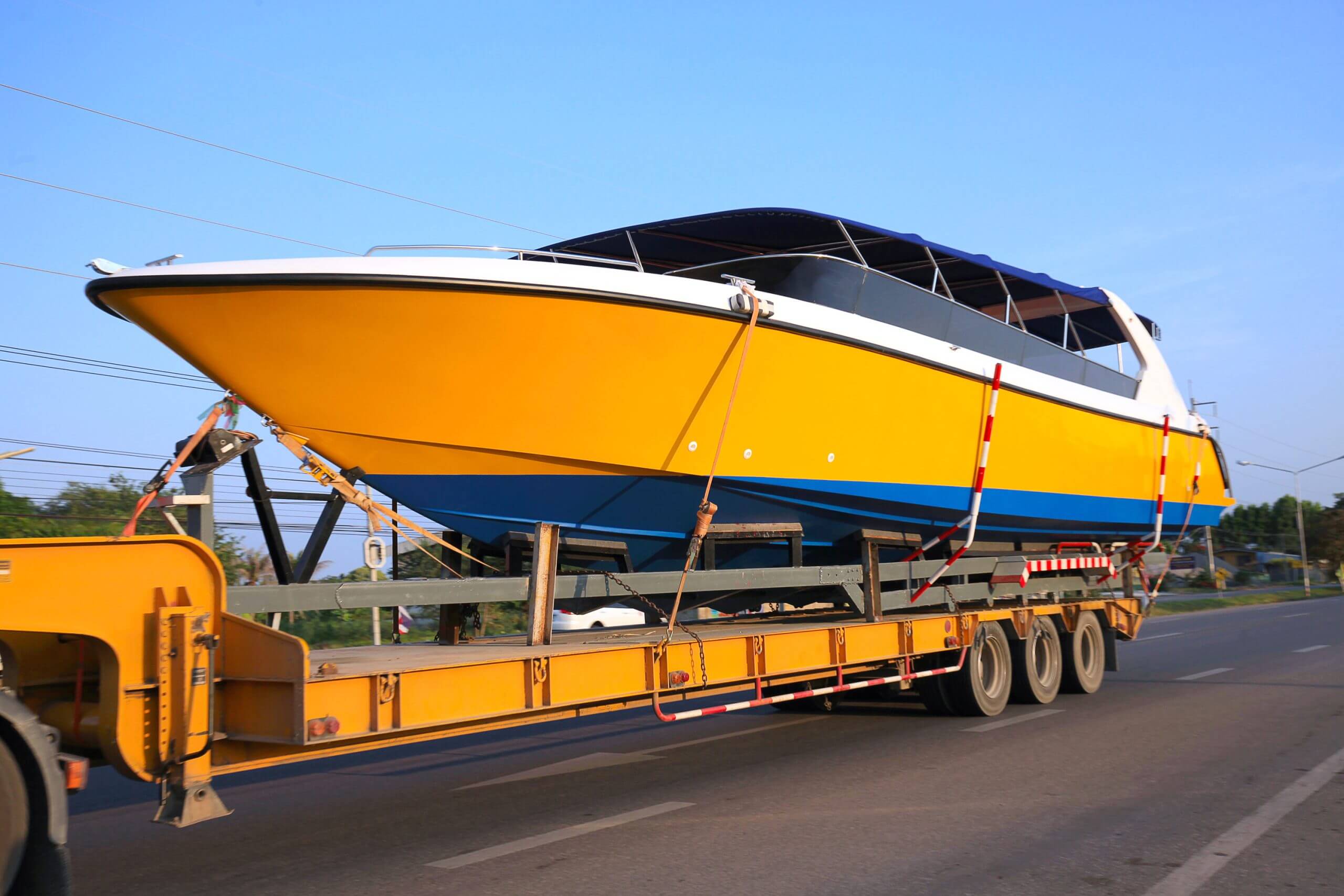
- Coverage for bodily injury, property damage, and other liabilities
- Protection for commercial vehicles used for hauling boats
- Coverage for employees involved in boat transport operations
- Risk management support and customizable coverage options
- Legal compliance with regulatory requirements for insurance coverage
The Importance of Additional Insurance
Boat transport accidents can incur significant expenses, such as vehicle repairs, medical bills from injuries, and cleanup costs for environmental damage.
While boat haulage liability insurance provides vital coverage for liabilities associated with transporting boats, Umbrella Insurance offers additional protection that can complement and enhance your overall insurance portfolio. It serves as a backup, stepping in to manage expenses if coverage limits are reached or exceeded.
If you own a boat, it is essential to prioritize the protection of your vessel and mitigate any potential liability risks. Make sure to consult with your insurance provider to confirm that you have the necessary coverage tailored to your needs. Once you've secured the appropriate protections, feel free to embark on your boating excursions with peace of mind, knowing that you are well-prepared for any unforeseen circumstances that may arise.
For more details on available options, visit our page on The Necessity of Boat Relocation and Insurance Coverage or explore Boat Hauling Insurance for service-specific coverage insights.
Frequently Asked Questions
Does boat haulage liability insurance cover damage to my boat during transport?
Yes, most policies include coverage for physical damage to the boat while in transit, especially when properly secured and transported.
Will my boat insurance cover incidents that happen while towing the boat?
Boat insurance may offer limited coverage during transport, but it often excludes over-the-road liability, which is where haulage liability coverage fills the gap.
Who typically buys commercial boat hauling insurance?
This insurance is commonly purchased by marinas, boat dealers, transport operators, and manufacturers involved in moving boats professionally.
Is boat haulage insurance mandatory?
Requirements vary by state and business type. While not always required, it is strongly recommended to reduce exposure to transportation risks.
Can I get a quote online for boat haulage liability insurance?
Yes, you can request a customized quote quickly by visiting our online quote portal.
Still have questions? Talk to a local insurance expert.