When it comes to professions that most people wouldn't consider hazardous, carpet and upholstery cleaning often flies under the radar. However, this line of work carries more risks than many realize. Workers frequently handle chemicals and heavy equipment and perform physically demanding tasks that can lead to serious injuries or long-term health issues. This also applies to business owners and managers who may face liability for accidents or damage that occur during jobs.
What is Carpet and Upholstery Cleaning Workers Compensation (class code: 2584)?
Carpet and upholstery cleaning workers compensation insurance provides wage and medical benefits to employees who are injured or become ill while performing job duties. This coverage is typically required by law in most states and is essential for protecting both employees and employers from the financial impact of workplace injuries.
Who Needs It
Any business that employs workers to clean carpets, rugs, drapes, or upholstered furniture should carry workers compensation insurance. This includes sole proprietors with staff, small cleaning companies, and larger commercial cleaning operations. Even part-time or seasonal workers may be eligible for coverage depending on state regulations.
What It Typically Covers
Workers compensation insurance for carpet and upholstery cleaning businesses typically includes:
- Medical expenses related to workplace injuries or illnesses
- Partial wage replacement during recovery
- Rehabilitation or physical therapy services
- Death benefits to dependents in the case of fatal incidents
Common Exclusions and Limitations
While this insurance provides critical protection, there are some exclusions. Coverage may be denied if an injury occurs while an employee is under the influence of drugs or alcohol, if the injury is self-inflicted, or if it occurs outside the scope of work. Employer negligence or lack of safety protocols can also complicate claims.
Factors That Influence Cost
The cost of workers compensation insurance varies based on several factors, including:
- Number of employees and total payroll
- Claims history and risk management practices
- Work classification codes (such as 2584 for carpet and upholstery cleaning)
- State-specific rules and requirements
Proof of Insurance & Compliance
Most states require proof of workers compensation insurance before a business can legally operate or bid on contracts. Certificates of insurance may be requested by clients, landlords, or government agencies. Maintaining proper coverage helps ensure compliance and builds trust with customers.
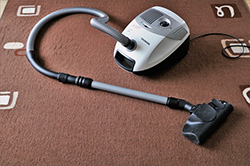
In addition to workers compensation, carpet and upholstery cleaning liability insurance is vital for protecting business owners and managers. This coverage helps pay for legal defense and settlements if a client sues over property damage, bodily injury, or other issues related to your services. Without it, a single claim could jeopardize your business and personal assets.
Whether you're running a solo operation or managing a team, investing in both workers compensation and liability insurance is a smart move. It protects your employees, your business, and your livelihood from unexpected risks that come with the job.
Ready to protect your cleaning business? Get a workers compensation quote today.
Frequently Asked Questions
Is workers compensation insurance required for carpet and upholstery cleaners?
In most states, yes. If you have employees, you're likely required to carry workers compensation insurance.
What happens if I don’t have workers compensation coverage?
Operating without required coverage can lead to fines, lawsuits, and being held personally liable for employee injuries.
Does workers comp cover independent contractors?
Generally, no. Independent contractors are not covered unless they are misclassified employees, which can lead to compliance issues.
What class code applies to carpet and upholstery cleaning?
Class code 2584 is typically used for carpet and upholstery cleaning workers compensation policies.
Can I get both workers comp and liability insurance in one policy?
Some insurers offer package policies, but these coverages are usually purchased separately to meet specific business needs.
Still have questions? Talk to a local insurance expert.