Commercial buildings may contain several types of ceilings. Some may have a wood ceiling, others may just have exposed girders that are usually painted, while still others may have a metal ceiling.
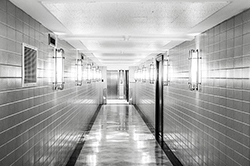
Some contain acoustical tile which come in a variety of looks. Some actually mimic a wood or metal ceiling, while others just have the basic office type look. In any case, commercial acoustic ceiling tile installers face their own liability risks. The Commercial Acoustical Tile Installation General Liability Insurance policy protects those installers from the various liability risks associated with commercial acoustic tile installation. Some commercial buildings don't just use the tile on the ceiling. It could be on the floor or walls as well. For related risks on different surfaces see The Dangers of Working in Construction and the Importance of Flooring Contractor Insurance
The Dangers of Working in Construction and the Importance of Flooring Contractor Insurance.
Some examples of where the liability exposures could come from include any incident that may occur during installation. One example may be if the installer accidentally clips a wire and knocks out power to not only the commercial unit being worked on, but the entire building that contains several units.
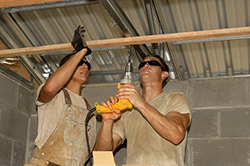
This could mean a huge liability in not only lost business from any one (or all) of these units, but also any bodily injury suffered by any of the occupants of the building due to the power loss. Installers who also handle lighting or insulation work may have overlapping exposures; see Lighting Installation Contractor Insurance
Lighting Installation Contractor Insurance and Insulation Contractors General Liability Insurance
Insulation Contractors General Liability Insurance for similar coverage concerns.
One instance where Commercial Acoustical Tile Installation General Liability Insurance may come in to play concerning acoustic tile installation is if the tiles contain asbestos. One may think that the manufacturer would be held liable, and that assumption is correct. The installer could be held liable as well. The medical expenses due to asbestos findings could be devastating to any installer, whether that installer is a family operation or a large corporation. Other relevant insurance considerations include commercial liability, property coverage for damaged customer property, equipment coverage for tools and lifts, and underwriting factors such as experience, payroll, and job-site hazards. A typical risk scenario: a dropped panel causes a customer injury and damages a suspended light fixture, triggering both bodily injury and property damage claims.
Consult with a local licensed insurance agent to discuss the liability exposures of your state and locality.
Frequently Asked Questions
Do installers need a separate policy for acoustical tile work?
Many installers carry a general liability policy that covers acoustical tile work, but coverage limits and specific endorsements vary. Talk with your agent about customizing limits and adding endorsements for equipment or completed operations.
Will general liability cover asbestos-related claims?
Standard general liability policies often exclude long-tail pollution or asbestos claims; coverage depends on policy wording and endorsements. Work with your agent and insurer to determine what protections are available for hazardous-material exposures.
What factors affect the cost of this insurance?
Underwriting factors include annual payroll, annual receipts, number of job sites, claims history, scope of work (ceiling, wall, floor, or additional trades), and safety controls. These influence premiums and required limits.
Still have questions? Talk to a local insurance expert.