Contractors engaged in development or remediation ventures confront expanded exposures to environmental liabilities. Insurance for Contractors and Consultants is a consolidated scope approach that addresses contamination risk, errors and omissions, and general business liability exposures.
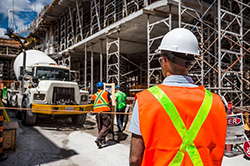
A Contractors Pollution Legal Liability Insurance is important. Our unified scope arrangement provides broad risk protection while helping avoid coverage gaps that can occur when purchasing separate policies.
We offer pollution liability insurance for contractors of all sizes—from small trades to large-scale general contractors. This type of coverage does more than just protect job sites; it offers comprehensive defense against contamination exposures that can arise in day-to-day operations, during transportation, or from waste disposal practices.
Coverage
- Pollution liability at job sites: Covers liability for losses caused by pollution conditions resulting from contracting activities at a project site.
- Emergency remediation costs: Covers reasonable emergency cleanup expenses needed to address a pollution incident prior to formal notification.
- Named insured locations: Includes losses from sudden and accidental pollution events occurring on, under, or migrating from insured-owned properties.
- Transportation exposures: Covers spills or contamination that occur during the transport of materials or waste from a job site.
- Non-owned disposal sites (NODS): Provides coverage for pollution liabilities stemming from waste generated at a job site but disposed of at third-party locations.
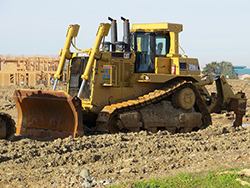
This coverage can be written on a blanket basis for all contractor operations or arranged on a project-specific basis—benefiting owners, contractors, or through a wrap-up policy structure. Since standard commercial general liability (CGL) policies offer limited pollution coverage, a specialty policy is often necessary to address job-site hazards and environmental exposures.
Pollution liability insurance for contractors can also address pre-existing conditions that may resurface due to changes in environmental compliance standards. For example, if a previously remediated site recontaminates due to shifting soil or water tables, coverage may respond to claims involving property damage, bodily injury, or business interruption.
For those in high-risk sectors—such as environmental remediation, utility installation, or demolition—underwriting will consider operational hazards, subcontractor use, and waste handling procedures. Risk management practices such as spill prevention planning and employee training can influence coverage terms.
For more information on related protections, you may be interested in our insights on
Business Risks for Environmental Contractors or explore
Contractors Pollution Liability Insurance options offered by experienced providers.
Contact a local insurance professional that has experience with this business category, someone that can guide you and help you procure the right insurance coverage.
Related Coverages
Frequently Asked Questions
What businesses typically need Contractors Pollution Legal Liability Insurance?
Environmental contractors, general contractors, demolition firms, and utility installers often require this coverage due to the nature of their work and potential contamination risks.
Is pollution coverage included in a standard general liability policy?
Most commercial general liability (CGL) policies exclude or limit pollution coverage, which is why a separate pollution liability policy is recommended.
Does this insurance cover transportation-related pollution incidents?
Yes, many policies include coverage for pollution conditions arising during the transport of materials, including spills or leaks in transit.
Can this policy cover previously unknown contamination?
Some policies may include coverage for newly discovered pre-existing conditions, depending on underwriting and policy terms.
How is the cost of this insurance determined?
Premiums are influenced by factors such as the type of contracting services provided, claims history, scope of operations, and environmental risk controls in place.
Still have questions? Talk to a local insurance expert.