One might not instantly think of "liability insurance" when thinking of the profession of geology, but the truth is that in many cases this form of coverage is not only applicable but necessary.
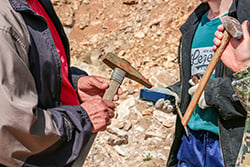
For example, any geologist who provides consulting or even just the data used for consulting should consider protecting themselves and their career with professional liability insurance. If you work in the field of geology, here's what you need to know:
How You Can Be Found Liable in a Lawsuit
Legal claims can be brought against geologists for a variety of reasons. In fact, any error or negligence that happens on the job can land the geologist in hot water for data or evaluations, etc. that may or may not be entirely accurate. Such errors may include faulty data interpretation, poor data collection and management, poorly reviewed or non-updated geological models and surveys, failure to properly execute a large-scale project, and much more.
Clients that are disadvantaged by any of this may then choose to file a legal claim against you and/or your company.
Geologists often face unique liability exposures due to the complexity of subsurface assessments, environmental studies, and infrastructure planning. A small error in a soil stability report or environmental impact assessment can lead to costly project delays or safety concerns, resulting in claims of professional negligence.
How Geologist Professional Liability Insurance Works
In a nutshell, liability insurance works by preventing you from having to pay for costs associated with legal claims out of your own pocket or worse, out of your company's financial reserves. Your policy will pay out up to your coverage limit (usually six figures or more) for these legal costs, and in many cases it can even help you settle claims early without even having to go to court. The exact amount of coverage you need will be determined by factors like the size of your company, the scale of the projects you take on and the types of clients you have. Certain jurisdictions may also have legal liability coverage requirements for professionals like yourself, and so it is important to discuss all of this with your insurance agent before settling on a policy. Keep in mind that while liability insurance may at first glance seem like an unnecessary expense, having it can save you a lot of time and grief in the future.
This type of policy is particularly valuable for geological consultants, environmental engineers, and firms involved in land development planning. It complements other business insurance types, such as commercial general liability or pollution liability coverage, especially in cases involving environmental hazards or property damage.
To learn more about tailored options for your field, visit our page on
Liability Insurance for Geologists or explore broader protection through
Geologists Insurance. If your work involves environmental impact assessments, you may also want to consider
Geologists/Pollution Liability Insurance as a complement to your coverage.
Frequently Asked Questions
Do geologists need professional liability insurance if they work independently?
Yes, independent consultants are especially vulnerable to liability claims as they often operate without the legal and financial backing of a larger firm.
What risks does this insurance typically cover?
It generally covers claims related to professional negligence, errors in data interpretation, missed project deadlines, or inaccurate reporting that leads to client losses.
Is professional liability insurance the same as general liability?
No, general liability covers bodily injury and property damage, while professional liability focuses on mistakes in professional services or advice.
Can this insurance help with out-of-court settlements?
Yes, many policies include legal defense and can assist in settling claims early, which may help avoid a court trial.
Is pollution liability covered under professional liability?
Not always. Pollution exposures often require a separate pollution liability policy, especially for geologists involved in environmental site assessments.
Still have questions? Talk to a local insurance expert.