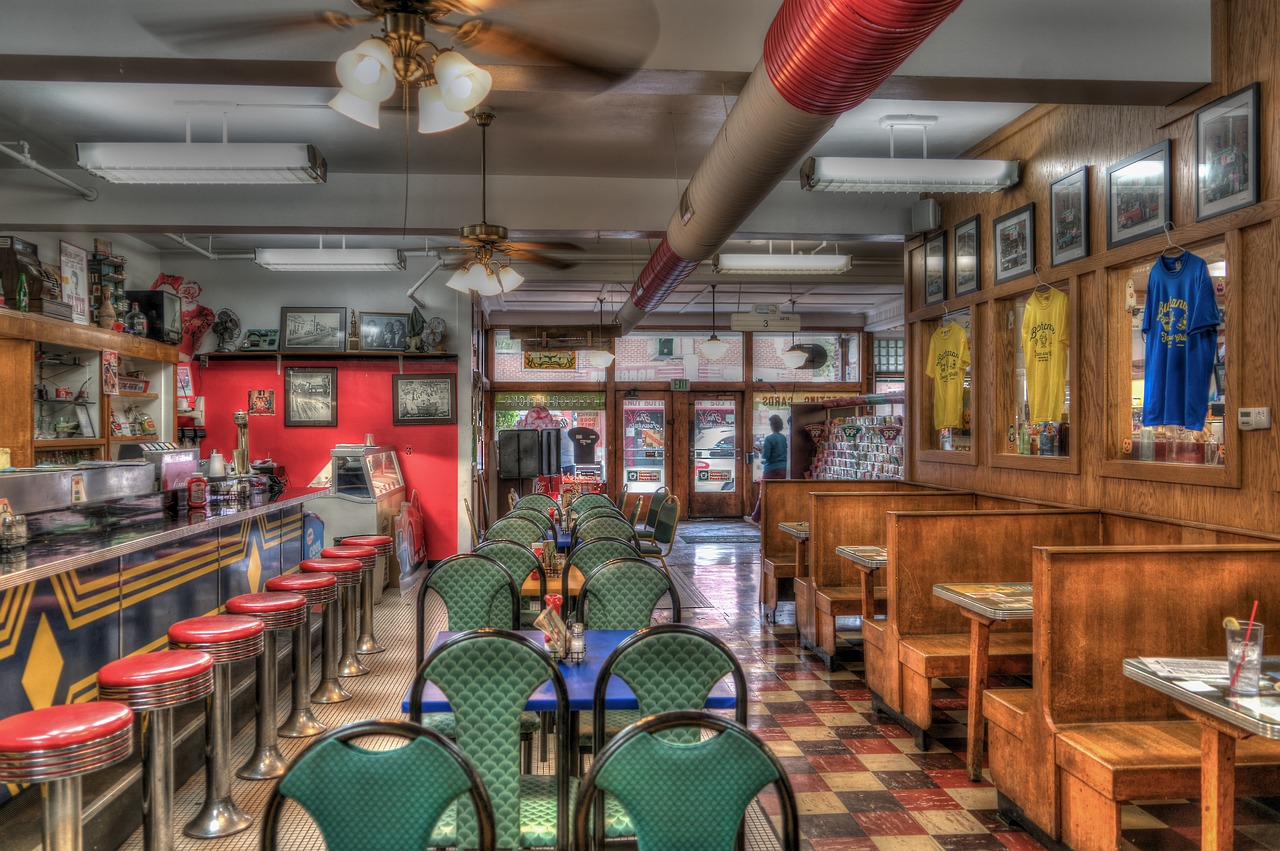
 Risk Management for Food Service Establishments: The Importance of Diners Insurance
Imagine a bustling Saturday night at your diner, your "front of house" is packed and the kitchen is executing perfect "mise en place." Suddenly, a small kitchen fire erupts, or a customer has an allergic reaction despite your best precautions. While you’re focused on food and service, have you considered what happens when the unexpected strikes?
Understanding the Unique Risks in the Food Service Industry
Operating a diner, restaurant, or any food service establishment involves juggling numerous responsibilities and inherent risks. And let’s face it—every restaurant owner thinks it won’t happen to them. But the reality is that accidents and mishaps are common. That’s why Diners Insurance is more than an option; it’s a lifeline that ties together commercial liability, property coverage, and other protections.
Slip and Fall Hazards: Every day, countless feet shuffle through your establishment, from your staff to customers.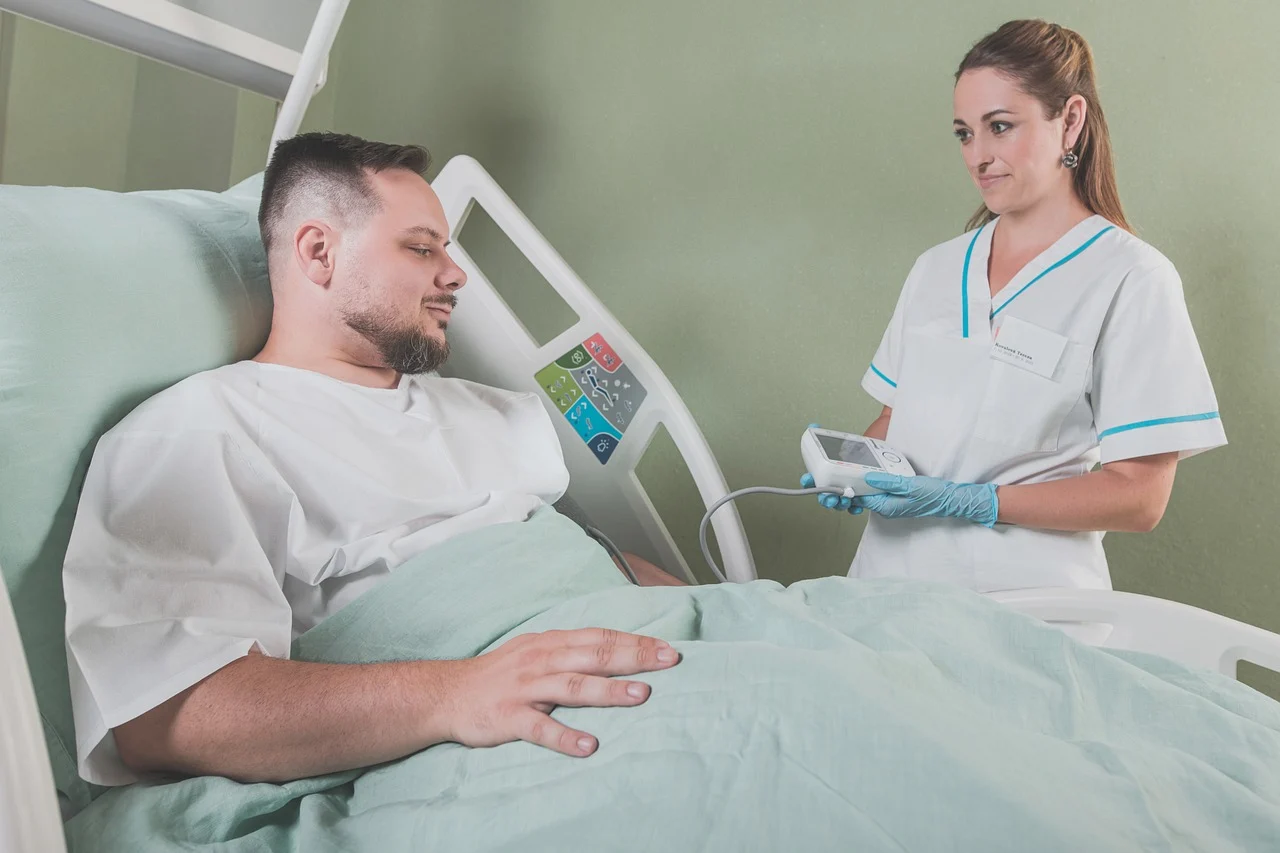 A spilled drink or a greasy spot can quickly become a medical claim and a legal exposure. Slips, trips, and falls are a leading source of premises liability claims and make up a significant share of accidental injury exposures.
Foodborne Illnesses: You pride yourself on serving quality food, but one contaminated ingredient can spiral into a health crisis. With 48 million Americans getting sick from foodborne illnesses each year, a single incident can lead to multiple claims, product liability concerns, and reputational damage.
Fires: Your kitchen is the heart of your operation, but it’s also a high-risk area. According to the NFPA, restaurants experience thousands of fires annually, with grease fires a leading cause. One small spark can cause extensive property damage and interruption to your business.
Essential Insurance for Diners & Restaurants: Covering Your Bases
Daily operations bring uncertainties, emphasizing the need for comprehensive insurance coverage. Let’s break down core policies every diner and restaurant owner should consider, and some related coverages operators often pair with them.
General Liability Insurance: Building a Strong Defense
Accidents happen in a busy restaurant. From slips on a wet floor to a patron claiming an allergic reaction, general liability handles medical payments, legal defense, and settlements. This commercial liability protection is foundational for high-foot-traffic venues and ties into broader risk management considerations like staff training and safe food-handling procedures. For restaurants offering dine-in service, see additional details on coverage options at https://completemarkets.com/Restaurants-Dine-in-Insurance/Storefronts/.
Commercial Property & Business Interruption Insurance: Safeguarding Your Operations
Your physical assets—from the walk-in freezer to vintage décor—are critical. Commercial property insurance covers damage from fire, theft, and storms, while business interruption insurance helps replace lost revenue and covers ongoing expenses like rent and payroll during shutdowns. These policies often pair with equipment coverage and inventory protection; owners of casual dining establishments may find specialized options at https://completemarkets.com/Casual-Dining-Restaurants-Insurance/Storefronts/.
Food Contamination and Spoilage Coverage: Safeguarding Your Stock
Power outages or contamination can render inventory unusable. Food contamination and spoilage coverage helps recover the value of spoiled stock and may cover required sanitation expenses—an important supplement to traditional property policies.
Liquor Liability Insurance: A Must for Alcohol-Serving Spots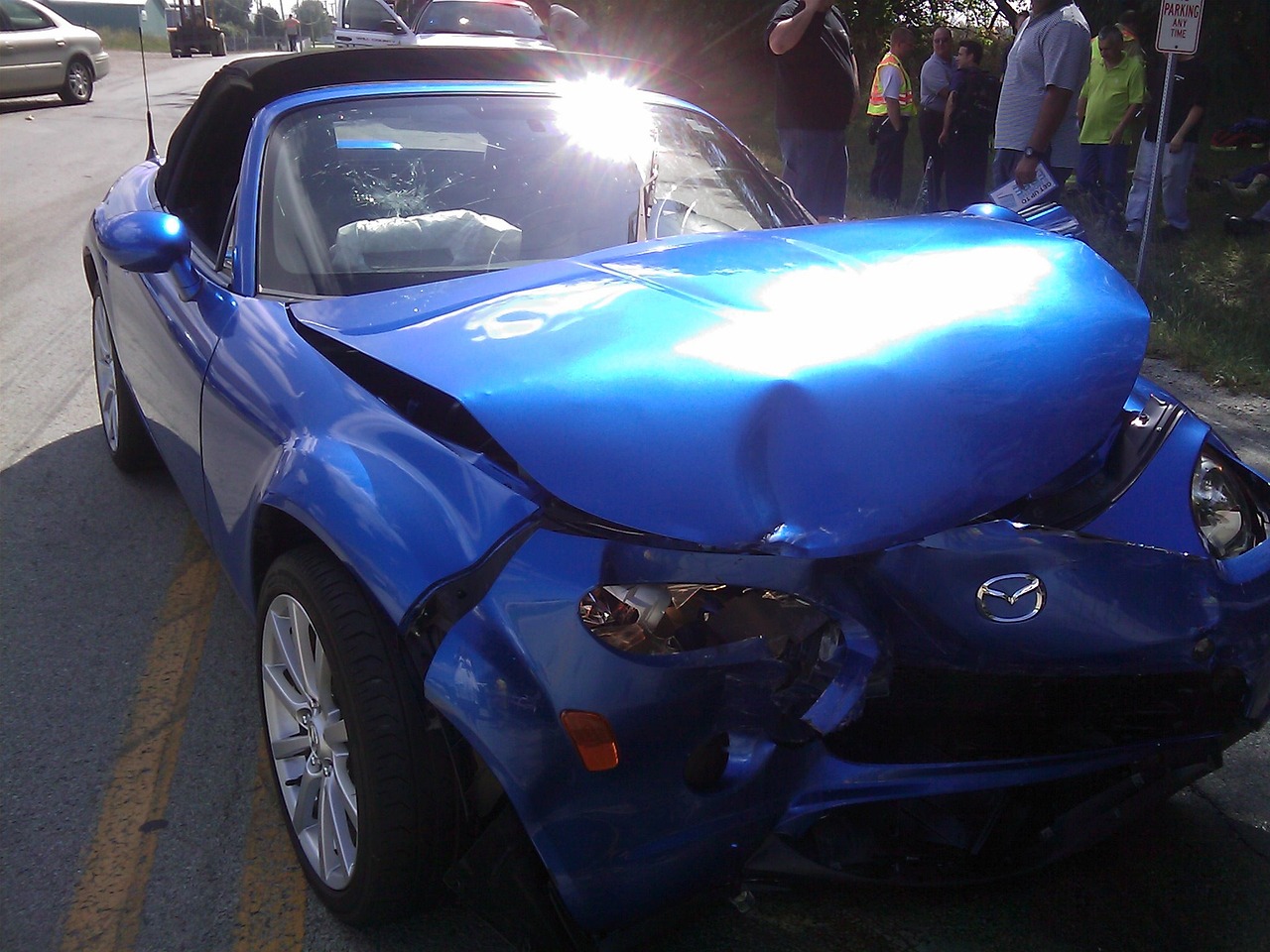
If you serve alcohol, liquor liability protects against claims from incidents caused by over-service and addresses exposures under dram shop laws. This coverage complements general liability and helps manage the financial risks tied to alcohol service.
Workers’ Compensation Insurance: Supporting Your Team
From scalding burns to slips and strains, kitchen and dining staff face workplace injury risks. Workers’ comp covers medical costs and lost wages, and is a core component of protecting employees and meeting local requirements. Employers should also consider training programs and safe equipment practices to reduce underwriting surprises and claims frequency.
Additional Considerations
Other exposures include commercial auto (for delivery and supplier vehicles), product liability for packaged foods, and loss of income from supplier interruptions. A common risk scenario: a delivery driver backing into your storefront creates a property damage claim that crosses into commercial auto exposure and premises liability. For a broader overview of restaurant-focused insurance solutions, see https://completemarkets.com/Restaurants-Family-Insurance/Storefronts/.
The Bottom Line
In a tight-margin industry with many exposures, tailored Diners Insurance helps you manage liability, protect assets, and stay open after a loss. Focus on delighting guests while staying covered for the unexpected—if you're unsure which policies fit your operation, talk to your agent.
Frequently Asked Questions
What coverage is most important for a small diner?
General liability, commercial property, and workers’ compensation are the fundamentals. Depending on your operation, liquor liability, food spoilage, and business interruption are often essential additions.
Does insurance cover foodborne illness claims?
Yes, certain policies (including general liability and specific product contamination or food spoilage coverage) can respond to foodborne illness claims, but coverage depends on policy terms and exclusions.
Will my insurance cover loss of income after a fire?
Business interruption coverage is designed to replace lost revenue and help cover ongoing expenses during a covered shutdown; limits and waiting periods vary by policy.
Still have questions? Talk to a local insurance expert.