Modern liability insurance policies for contractors have become more intricate in recent years, and there are many reasons for this. To start, there are many different areas of contract work, such as dredging.
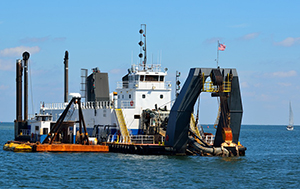
Dredging can be performed all over the country-- anywhere there is water really-- and because of this there are many different local and federal restrictions surrounding this line of work in order to prevent pollution and damage to the area. But if pollution is inadvertently caused, dredging contractors need to be protected. If you work in dredging, here's what you need to know:
Legal Claims Are No Joke
The truth is that lawsuits against contractors in general have gone up dramatically over the past few decades, and the business of dredging is not at all excluded. In addition to lawsuits from locals who may have suffered as a result of pollution, dredging contractors may also find themselves facing hefty fines from government officials for legal violations. In some cases, pollution cases can lead to the end of a contracting business, especially if they are not properly protected with a good liability insurance policy that will help cover their legal costs.
Taking the Next Step Toward Coverage
It is important to realize that especially when it comes to any kind of contract labor work, liability insurance policies will vary greatly from business to business. Those who take on large-scale dredging projects and/or in more populated areas will naturally need higher coverage limits, for example. Now, a monoline policy (one that is backed up by additional credit wraps in case the issuer defaults at any time) is usually not necessary, but it may be a good option for some. When you're ready, it's time to
consult with an experienced insurance agent about your policy options.
Dredging contractors face a unique set of liability exposures, particularly when working near waterways, wetlands, or urban infrastructure. A common risk scenario might involve sediment runoff or fuel spills that impact local ecosystems, triggering pollution claims or property damage accusations. Coverage should be tailored to these operational hazards and job-site risks.
Pollution liability insurance for dredging operations often overlaps with broader environmental liability policies, especially for contractors handling hazardous materials or operating heavy equipment near sensitive areas. Coverage may include legal defense costs, cleanup expenses, and third-party bodily injury or property damage claims.
For more information on related coverage options for environmental contractors, see our
Contractors Pollution Liability Insurance overview, or explore our
Waste Water Monoline Contractors Pollution Liability Program for similar industry applications.
Related Coverages
Frequently Asked Questions
What does pollution liability insurance typically cover for dredging contractors?
It generally covers cleanup costs, third-party property damage, bodily injury, and legal defense expenses arising from accidental pollution incidents.
Is this type of insurance required by law?
Requirements vary by project and location. Some government contracts or permits may require proof of pollution liability coverage.
Can general liability insurance cover pollution incidents?
Most general liability policies exclude pollution events, which is why a separate pollution liability policy is often necessary for dredging work.
Who typically needs this coverage?
Contractors involved in dredging, excavation, dewatering, or sediment removal near water bodies or environmental zones often require this protection.
What factors influence the cost of coverage?
Project size, location, regulatory environment, prior claims history, and risk management practices all impact premiums.
Still have questions? Talk to a local insurance expert.