 The Essential Guide to Dry Cleaner & Laundromats Business Insurance
Imagine losing your entire business overnight due to a fire—without insurance, this nightmare could become a reality for dry cleaners and laundromat owners. With the rise of fast fashion and growing competition, protecting your business from unexpected events is more important than ever. According to IBISWorld, the dry cleaning industry is projected to grow at an annual rate of about 1.5%. Understanding the specific risks and insurance options available helps ensure your business remains resilient and prepared for the future.
Common Risks in the Dry Cleaning and Laundromat Industry
Dry cleaners and laundromats face a range of risks, including fire hazards, chemical exposure, equipment breakdowns, and employee injuries. The National Fire Protection Association (NFPA) reports about 2,700 fires annually in these facilities, leading to over $40 million in property damage. The Bureau of Labor Statistics also notes frequent injuries from repetitive strain and chemical exposure. A specialized Dry Cleaner and Laundromats Business Insurance policy can help protect against these industry-specific challenges.
Essential Insurance Coverages for Dry Cleaners and Laundromats
General Liability Insurance: This coverage protects your business from third-party claims involving bodily injury or property damage. With high foot traffic and the use of water and chemicals, this is a critical policy to help cover customer incidents and legal costs.
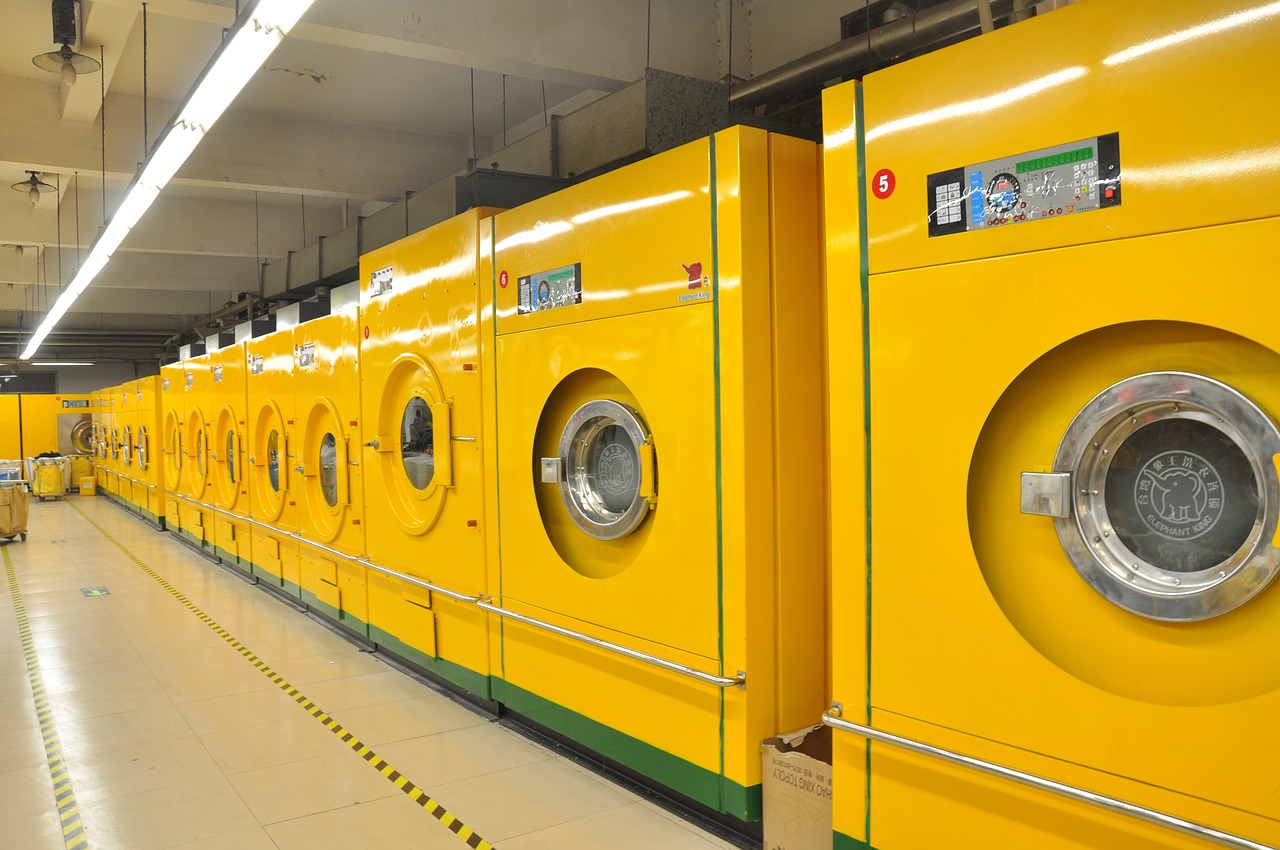
Commercial Equipment Insurance: Your business depends on costly machines like commercial washers, dryers, and boilers. This coverage helps repair or replace damaged equipment due to fire, theft, or mechanical failure. With machines costing thousands of dollars, this insurance helps prevent major financial setbacks.
Workers’ Compensation: Employees often perform repetitive tasks and work with hazardous materials. Workers’ comp covers medical expenses and lost wages if an employee is injured on the job. According to the National Council on Compensation Insurance (NCCI), the average claim in this industry is around $42,000—making this coverage essential for protecting your team and business.
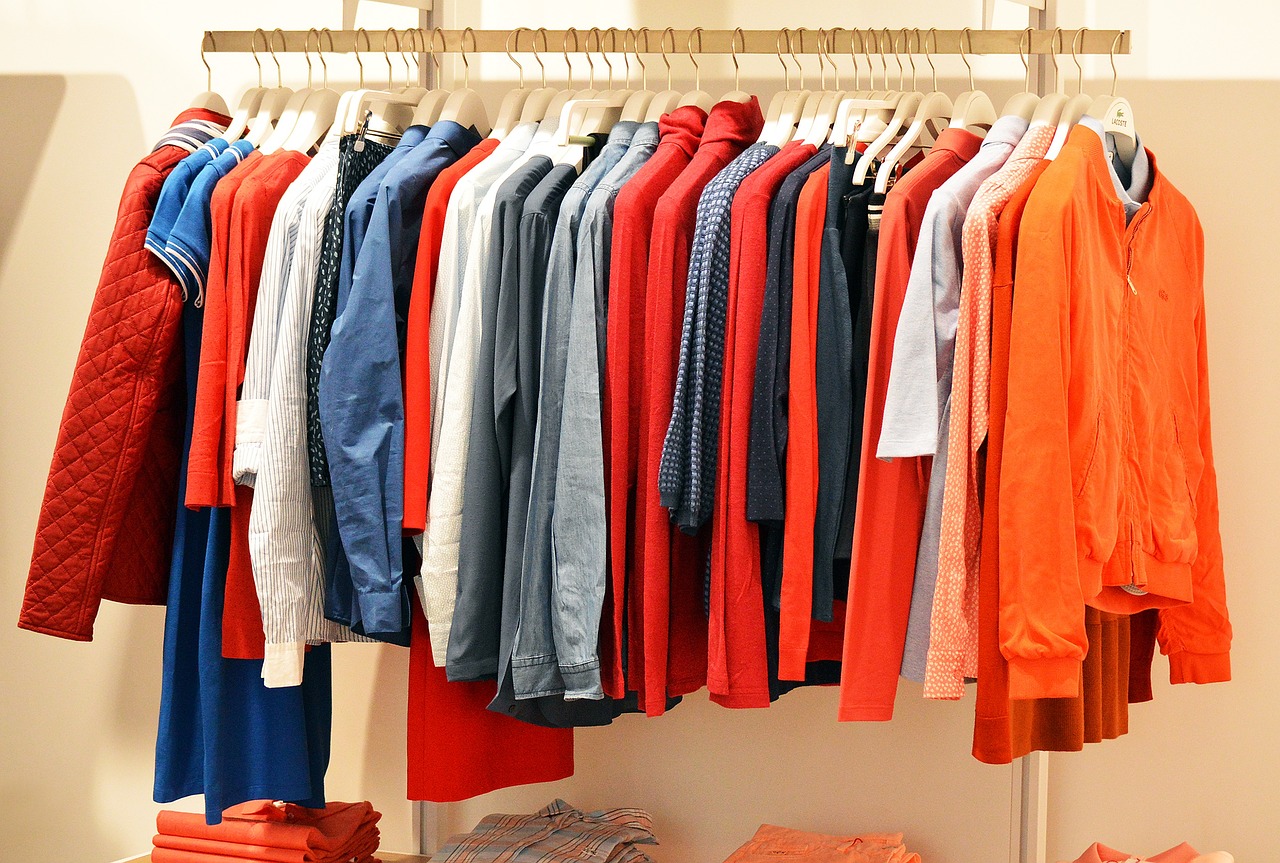 Bailee’s Customer Coverage: This specialized policy protects against damage or loss of customers’ items while in your care. Whether it’s a designer coat or a wedding gown, bailee’s coverage helps cover claims and maintain trust with your clients.
Coin Laundry Insurance: For self-service laundromats, this coverage protects coin-operated machines from theft, vandalism, and breakdowns. It also includes liability protection for on-site accidents, helping ensure your business stays operational and financially secure.
The Value of Comprehensive Coverage
Investing in the right insurance policies not only protects your business but also improves long-term stability. According to the Insurance Information Institute, insured businesses experience 35% fewer financial disruptions than those without coverage. Insurance can also make your business more appealing to lenders and partners by demonstrating financial responsibility and risk management.
Additional Considerations for Business Owners
- Soil and Stain Removal: Look for coverage that includes damage caused during stain treatment, especially for high-value garments.
- Equipment Maintenance: Some policies may include maintenance benefits or discounts—helping prevent breakdowns before they happen.
- Wastewater Disposal: Ensure your policy accounts for proper disposal and potential cleanup costs to stay compliant with environmental standards.
Don’t wait for a costly incident to take action. The right Business Insurance for Dry Cleaners and Laundromats can be the difference between a quick recovery and permanent closure.
Frequently Asked Questions
What does bailee's insurance cover in a dry cleaning business?
Bailee’s insurance covers customer items that are lost, damaged, or stolen while in your care, such as clothing or specialty garments.
Is insurance mandatory for laundromats and dry cleaners?
While requirements vary by state, general liability and workers’ compensation are often required. Other coverages help reduce financial risk.
Can I get coverage for equipment breakdowns?
Yes, commercial equipment insurance helps cover the cost to repair or replace key machines affected by fire, theft, or mechanical issues.
Does general liability insurance cover customer injuries?
Yes, general liability insurance helps cover medical bills and legal costs if a customer is injured on your premises.
Still have questions? Talk to a local insurance expert.