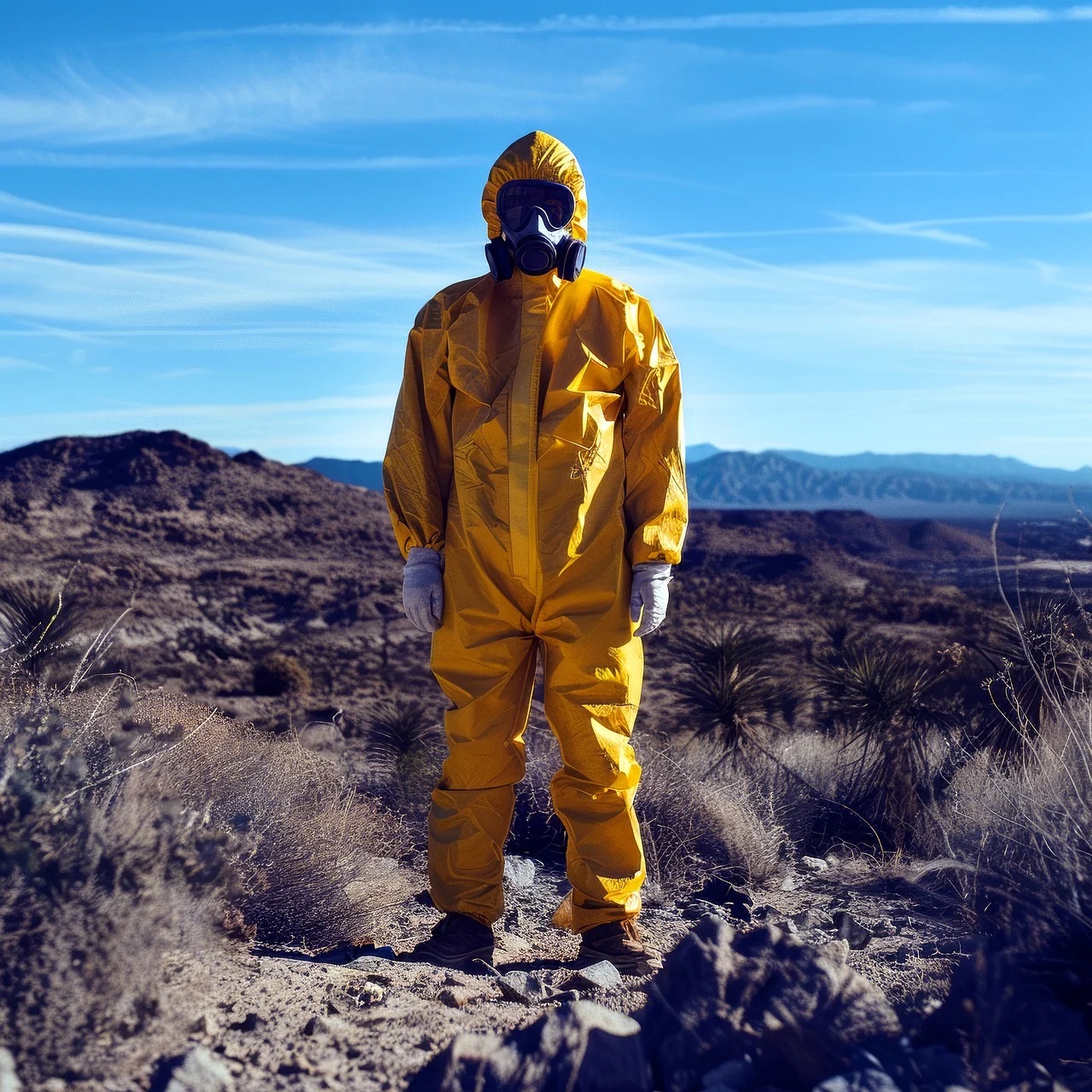
 The Critical Role of Environmental Contractor Insurance
Environmental contractors operate in high-risk environments, handling projects like asbestos abatement, mold remediation, site decontamination, and lead paint removal. These tasks often involve toxic chemicals, hazardous waste, and pollutants, posing risks to workers, communities, and ecosystems. Accidents or contamination incidents can lead to serious legal and financial consequences. According to the Environmental Protection Agency (EPA), a significant amount of environmental contamination stems from industrial activities that require specialized cleanup by environmental contractors.
Environmental Contractor Insurance is designed to protect businesses in this field against these unique exposures, making it a vital part of any contractor’s risk management strategy.
Key Insurance Coverages for Environmental Contractors
Pollution Liability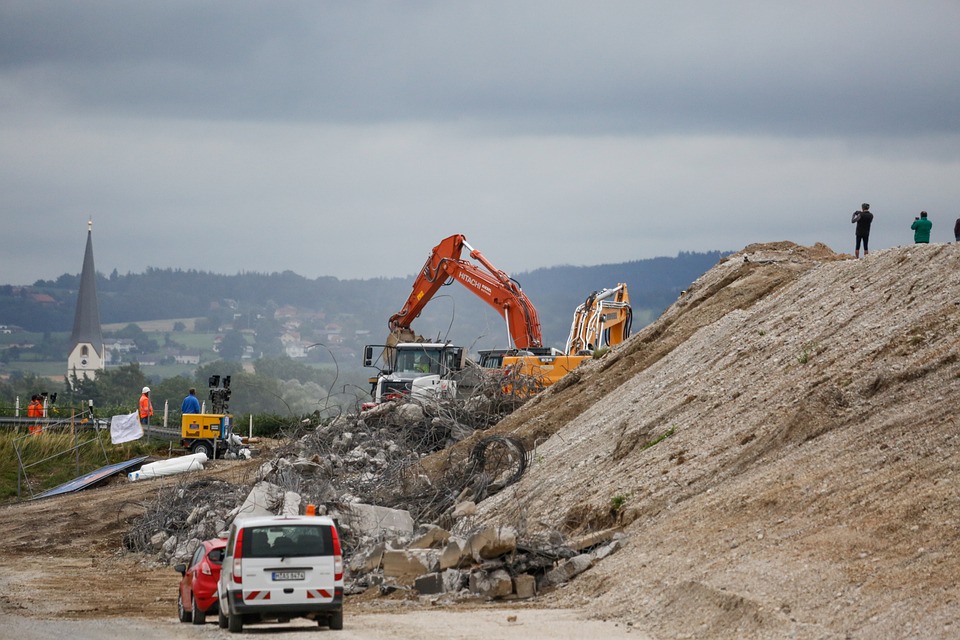
Pollution Liability Insurance is a core component of Environmental Contractor Insurance. It covers claims stemming from pollution events that cause bodily injury, property damage, or environmental harm. Whether it's an oil spill, chemical leak, or groundwater contamination, this coverage helps pay for cleanup, legal defense, and settlement costs.
For example, a contractor once punctured a buried chemical tank during a soil excavation, leading to groundwater contamination and extensive cleanup costs. Pollution Liability Insurance helped the contractor manage the financial fallout, which could have otherwise been devastating.
Contractor’s General Liability Insurance
This coverage handles third-party claims for bodily injury or property damage that are not pollution-related. Environmental contracting often involves physical risks—like operating heavy equipment or demolishing structures. General liability coverage safeguards against lawsuits and claims from such incidents.
Professional Liability (Errors and Omissions) Insurance
Environmental contractors often provide technical advice or make crucial decisions during remediation projects. Errors and Omissions (E&O) Insurance covers financial losses from mistakes, oversights, or failure to meet professional standards. It protects against claims of negligence, helping avoid expensive legal battles.
 Workers' Compensation
Employees in this industry face elevated risks of injury due to exposure to toxic materials and high-risk job sites. Workers’ Compensation Insurance is typically required by law and covers medical expenses, lost wages, and rehabilitation for injured workers.
According to NIOSH, workers in environmental contracting have up to a 10% higher risk of injury due to hazardous material exposure.
Commercial Auto Insurance for Environmental Contractors
Environmental contractors often transport hazardous materials or specialized tools. Commercial Auto Insurance covers vehicles used for business purposes, protecting against accidents, spills, or damage during transportation of materials or equipment.
Understanding Industry-Specific Risks and Regulatory Compliance
Environmental contractors must comply with regulations from agencies like the EPA and OSHA. Laws such as the Clean Water Act (CWA) and Resource Conservation and Recovery Act (RCRA) impose strict standards. Non-compliance can result in fines, project shutdowns, or legal action. Insurance with regulatory defense coverage can help cover costs related to investigations or penalties, allowing contractors to stay focused on their projects.
Choosing the Right Insurance for Your Environmental Contracting Business
- Work with insurance agents who understand the environmental services industry to ensure your coverage matches your risk profile.
- Mold Remediation Coverage: Protects against claims from improper containment or recontamination during mold removal projects.
- Underground Storage Tank Coverage: Essential for contractors working on fuel tank removal, addressing risks of leaks and contamination.
Why Environmental Contractor Insurance is Essential
The environmental contracting industry faces unique challenges, including hazardous material exposure, complex regulations, and high liability risks. Having the right Environmental Contractor Insurance safeguards your business, protects employees, and ensures compliance. With proper coverage, you can operate confidently and meet client and regulatory expectations.
Key Takeaways:
- Environmental Contractor Insurance offers vital protections like Pollution Liability, E&O, and Workers’ Compensation tailored to the industry’s specific risks.
- Regulatory defense coverage helps contractors manage costs from non-compliance or legal investigations.
- Partnering with knowledgeable insurers ensures your coverage is comprehensive and customized to your operation.
Contact us today to find the right insurance coverage tailored to your business’s unique needs.
Frequently Asked Questions
What does Environmental Contractor Insurance cover?
It typically includes Pollution Liability, General Liability, Workers’ Compensation, Professional Liability, and Commercial Auto coverage to protect against environmental, legal, and operational risks.
Is Pollution Liability Insurance required for environmental contractors?
While not always legally required, it is strongly recommended due to the high risk of environmental damage and associated cleanup or legal costs.
Why is Workers' Compensation so important in this field?
Because employees face increased exposure to hazardous substances and dangerous work environments, Workers' Compensation ensures injured workers receive proper care and wage replacement.
Can Environmental Contractor Insurance help with regulatory fines?
Yes, some policies include regulatory defense coverage which can help pay for legal fees and penalties related to non-compliance issues.
How do I get a quote for Environmental Contractor Insurance?
You can get started by visiting our quote request page and connecting with an agent experienced in environmental contracting risks.
Still have questions? Talk to a local insurance expert.