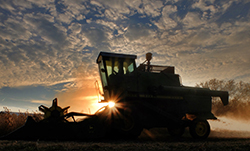
Farm machinery has undergone a number of changes in recent years. Most people who use it already understand how dangerous it can be, but some employers may not realize how much workers' compensation coverage they need to protect against the range of injuries that can occur. From on-site demonstrations to loading and hauling, dealers face operational hazards and transportation risks that can lead to costly claims.
Find out more about what it means to have the right level of coverage.
Danger around Every Corner
Most farming equipment dealers want to do their jobs and go home safely, which is why serious incidents are relatively rare when staff are trained and attentive. Still, everyday exposures remain: moving parts, fall risks when mounting equipment, and strains from lifting heavy components. A common risk scenario is a technician who slips while loading a tractor and suffers a back injury that requires months of care. For more detail on policies tailored to this industry, see
Workers' Compensation for Farm Machinery Dealers, which explains class code distinctions and typical employer responsibilities.
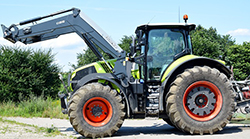
Chronic injuries are also common. Repetitive lifting or awkward postures can lead to long-term back and musculoskeletal problems that require extended treatment and restricted work duties. Chronic conditions are often more expensive than a single accident because they may involve multiple procedures and ongoing physical therapy. Employers should consider equipment coverage and medical cost projections when evaluating limits and reserves.
Workers' compensation pays for medical care and a portion of lost wages when workers are hurt on the job, and it can also support vocational rehabilitation or modified-duty programs while an employee recovers. The system can be strained by claim disputes or by a small number of exaggerated claims, so carriers that perform good claims investigation and fraud detection are important underwriting partners.
Litigation Headaches
Workers compensation for farm machinery dealers does more than cover medical bills and lost wages — it also helps manage liability exposures when disputes arise. In some cases the carrier will assist with legal defense, settlement negotiations, and coordination of medical experts, which reduces the administrative burden on a small business. While workers' comp generally limits employee lawsuits over workplace injuries, complex litigation can still arise and become costly without robust claims handling and legal support. For a broader look at dealers and related classes, you may find the
Machinery Dealers Workers Compensation resource helpful when comparing coverages across dealer types.
Look for Group Coverage
Many dealers can reduce costs through group programs or multi-policy discounts, especially when bundling commercial liability, commercial auto exposure, and property coverage. When shopping, look for carriers experienced with retailers, operators, and dealers who provide thorough underwriting factors assessments and active risk management considerations. A carrier that does strong pre-renewal inspections and offers loss-control support — such as safe equipment-handling training and return-to-work planning — can lower long-term claims. If your operations include on-site service or mobile repairs, you might also compare differences with
Farm Machinery Operations Workers Compensation (Class Code 50) to ensure you choose the right class and limits for your exposures.
Finding the right workers' compensation policy takes a combination of accurate payroll classification, thoughtful limits for medical and wage benefits, and carriers who understand equipment dealers. Good risk management — training, written procedures, and return-to-work plans — also helps keep premiums stable and employees safer.
Frequently Asked Questions
Who needs farm machinery dealers workers' compensation?
Any business that employs people to sell, repair, transport, or demonstrate farm machinery typically needs workers' compensation to cover job-related injuries and associated wage loss or medical care.
What kinds of things does a policy usually cover?
Policies commonly cover on-the-job medical treatment, a portion of lost wages, and vocational rehabilitation when needed; many carriers also assist with claims handling and legal defense for covered incidents.
How can I lower my workers' comp costs?
Improve workplace safety, implement return-to-work programs, maintain accurate payroll classifications, and consider group or bundled policies with carriers that offer loss-control services.
Still have questions? Talk to a local insurance expert.