When it comes to Internet service, most people don't think much about it unless there's a problem. Even for internet service providers, it often stays low on the priority list until something goes wrong.
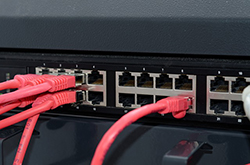
The Internet has become an indispensable part of American life — for business and personal use — and that makes reliable service and appropriate protection essential.
To an extent greater than you might expect, Internet service providers now shoulder significant operational responsibilities. If a system failure prevents customers from using critical services, the provider can face liability exposures and claims. This is why providers should evaluate Internet Service Provider (ISP) Insurance as part of a broader risk management program; see Internet Service Provider (ISP) Insurance for more details on coverage options and limits. Coverage can provide defenses against allegations of loss, and help pay for damages or business interruption in certain circumstances.
What this coverage can address

Typical protections for an ISP or internet access provider may include elements of commercial liability, business interruption support, and equipment coverage for routers, servers, and transmission hardware. Policies often consider underwriting factors such as customer base, uptime guarantees, and security posture when determining terms. Internet Security Insurance is another complementary product that often focuses on cyber incidents and data breaches.
Who commonly needs it
Smaller regional ISPs, hosting providers, managed service operators, and Internet content providers all often seek this type of coverage. For providers that host content or run platforms, Internet Content Providers Insurance can be a useful supplement to limit exposures related to published material. Coverage needs vary by business size, contract obligations, and the types of services offered.
Risk scenarios and exposures
A brief example: a local ISP outage interrupts a customer's e-commerce operations, triggering claims for lost sales and contract penalties. That situation illustrates how operational hazards and third-party liability exposures can arise quickly and why insurers look at service-level agreements and maintenance practices when underwriting.
Common coverage components and limits
- Liability protection for claims alleging service failure or negligent performance
- Business interruption or contingent business income for lost revenue during outages
- Property and equipment coverage for damaged or failed hardware
- Defense costs for regulatory or third-party claims
Common exclusions and limitations
Policies may exclude intentional wrongdoing, certain cyber events unless specifically endorsed, wear-and-tear on equipment, or contractual obligations beyond standard liability terms. Review policy language for exclusions and limits tied to network security incidents or third-party software failures.
Managing cost and underwriting
Factors that influence price include throughput and subscriber size, historical uptime and incident history, security controls and patching practices, contractual indemnities, and the presence of redundancy or backup systems. Risk management steps — documented incident response plans, redundancy, and routine maintenance — often improve terms.
Proof of insurance & compliance
Many business customers and municipalities require certificates of insurance and specific limits or endorsements. Keep current certificates on file and confirm any additional insured or waiver-of-subrogation requirements in contracts are met.
Getting a quote and next steps
Shop around to make sure that you have the coverage you need, but if you don't, make sure that what you decide to buy is made to your needs. When comparing options, consider both liability and operational coverages together and discuss exclusions, sublimits, and deductibles with your broker or carrier. If you need specialized guidance for networked operations, resources like Internet Security Insurance can help explain cyber-related gaps.
For more detailed storefront options and tailored programs, you can also review Internet Content Providers Insurance and Internet Security Insurance to see how those products might slot with ISP coverage.
Frequently Asked Questions
What is the main difference between ISP insurance and cyber insurance?
ISP insurance typically focuses on service-related liabilities, business interruption, and equipment loss, while cyber insurance primarily addresses data breaches, privacy incidents, and certain types of cyber extortion. Many providers buy both or endorsements that bridge gaps.
Do small ISPs really need this coverage?
Smaller ISPs often carry similar exposure to larger operators — customer reliance on uptime and potential contract penalties — so a policy sized to the business can provide important financial protection and help meet client contract requirements.
What should I check on a policy before buying?
Look at covered causes of loss, exclusions for cyber or software failures, limits for business interruption, deductible levels, and any required endorsements. Also confirm how claims are handled and whether defense costs are inside or outside the limit.
Still have questions? Talk to a local insurance expert.