Home >
Log and Lumber Hauling Insurance Guide >
Logging Liability
This page is part of the broader Log and Lumber Hauling Insurance Guide, designed to help you navigate important coverages for logging companies. Logging Liability insurance is essential for protecting your business against risks associated with equipment, accidents, and environmental factors. Complementing this coverage, you may also want to consider Logging Workers Compensation for employee protection and Logging Business Auto insurance for your vehicles.
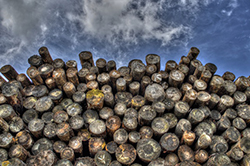 Logging is a time-honored profession that demands skill, manpower, and a significant investment in specialized machinery. While the industry has evolved into a sophisticated operation, it still carries substantial risks to both workers and equipment. That’s why logging companies need to acquire specialized high-quality insurance to protect their operations and assets.
Given the complex nature of logging operations, environmental handling, and the potential for hazardous incidents, ensuring comprehensive coverage is essential. Companies should also maintain compliance with industry regulations to minimize liability risks.
Coverage
Logging insurance is not one-size-fits-all. Policies vary by provider and should be tailored to your specific business activities. Companies should work with knowledgeable agents to avoid gaps in coverage and ensure they are fully protected against the unique risks of the logging industry.
What is Logging Insurance?
Workers in the timber industry require insurance that aligns with the hazards and needs of their operations. Logging insurance typically includes several types of coverage to protect both people and property. At a minimum, businesses need general liability insurance to safeguard assets ranging from timber to office supplies.
Insuring Logging Equipment
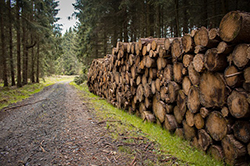 Heavy machinery such as trucks, tractors, slashers, skidders, feller bunchers, and processors are essential to logging operations. Equipment coverage ensures that if these assets are damaged or destroyed, they can be repaired or replaced to keep your business running. Heavy machinery such as trucks, tractors, slashers, skidders, feller bunchers, and processors are essential to logging operations. Equipment coverage ensures that if these assets are damaged or destroyed, they can be repaired or replaced to keep your business running.
Cargo
Transporting logs and equipment involves valuable cargo. Cargo insurance protects against financial loss if goods are lost, damaged, or destroyed during transit.
Pollution Liability Insurance For Loggers
Pollution liability coverage helps pay for cleanup if spills or environmental damage occur during operations. It's an important addition to general liability insurance for businesses working in natural environments.
Workers' Compensation for Logging Operations
If an employee is injured on the job, workers' compensation covers medical expenses and lost wages. This type of coverage is essential for protecting both the worker and the employer.
Looking for the Right Logging Insurance?
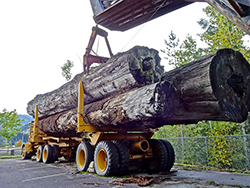 With many providers available, selecting the right insurance company is critical. Be sure your carrier understands the unique exposures of the timber industry and can offer comprehensive solutions tailored to your business. With many providers available, selecting the right insurance company is critical. Be sure your carrier understands the unique exposures of the timber industry and can offer comprehensive solutions tailored to your business.
Look For Insurance That Is Right for Your Needs
Individual
If you work independently in logging—as a lumberjack, equipment operator, or supervisor—you may need personal coverage. This could include accident, disability, or life insurance depending on your role and risk exposure. Research your options and talk to insurance representatives to build a policy that fits.
Business/Contractor
Logging businesses should consider an umbrella liability policy to cover a wide range of assets and exposures—from office equipment to job-site machinery. Maintain a current inventory of all company equipment and update your policy as your business grows. Include accident liability and overcut insurance to address common industry risks.
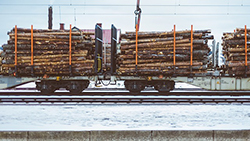 Properly insuring your business means accounting for every asset and exposure. Gaps in coverage can lead to serious financial losses. Take the time to review your policy details regularly and work with your insurer to make necessary updates. Properly insuring your business means accounting for every asset and exposure. Gaps in coverage can lead to serious financial losses. Take the time to review your policy details regularly and work with your insurer to make necessary updates.
Finding the Right Insurance Agent and Insurance Carrier.
Choosing the right coverage starts with choosing the right provider. Look for carriers with experience in the logging industry and agents who can explain coverage options clearly. Avoid companies that pressure you and prioritize those that offer transparency, support, and personalized service.
The Insurance Products You Need
Before buying a policy, review the product offerings to ensure they match your needs. Individuals should look for accident, life, and disability coverage. Businesses should ensure their provider offers tailored policies that address operational risks and cover equipment, liability, and employees.
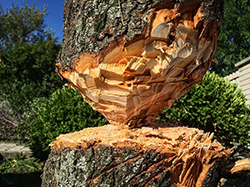 Work with an insurance company that thoroughly explains policies and walks you through the claims process. Key qualities to look for include: Work with an insurance company that thoroughly explains policies and walks you through the claims process. Key qualities to look for include:
- Agents knowledgeable about the logging industry
- Clear product explanations and no-pressure consultations
- Good reputation and positive client feedback
- Range of products to create a complete coverage package
- Easy-to-understand claims process and responsive support
Reputation
A provider with a well-established track record in the logging industry is often a safer choice. Ask peers for recommendations, research customer reviews, and check with the Better Business Bureau to verify the company’s standing.
Logging Insurance Products
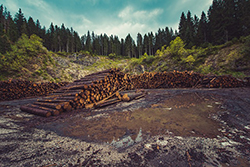 Every insurer offers different products. Be sure the company you work with provides all the necessary policies to protect your business or personal livelihood. A comprehensive approach prevents gaps and reduces the need to manage multiple providers. Every insurer offers different products. Be sure the company you work with provides all the necessary policies to protect your business or personal livelihood. A comprehensive approach prevents gaps and reduces the need to manage multiple providers.
Convenient Claims Process
A transparent and efficient claims process is essential. Look for companies with dedicated agents who can guide you through each step and help you get back on track after a loss.
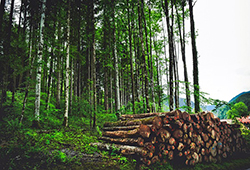 Whether you're an individual or a business in the logging industry, the right insurance coverage is critical to your protection and success. Take the time to evaluate providers, compare policies, and get a quote from a company that understands your needs. Whether you're an individual or a business in the logging industry, the right insurance coverage is critical to your protection and success. Take the time to evaluate providers, compare policies, and get a quote from a company that understands your needs.
Frequently Asked Questions
What does logging insurance typically cover?
It can include general liability, equipment coverage, cargo protection, pollution liability, and workers' compensation.
Is logging insurance legally required?
Requirements vary by state, but most businesses need at least general liability and workers' compensation coverage.
Who needs logging insurance?
Logging companies, independent operators, and contractors involved in timber harvesting or transportation should all consider coverage.
Does logging insurance cover employee injuries?
Yes, if your policy includes workers' compensation insurance, it will cover medical expenses and lost wages for injured employees.
How do I choose the right logging insurance policy?
Work with a knowledgeable agent, assess your risks and assets, and choose a provider with experience in the logging industry.
Still have questions? Talk to a local insurance expert.
|
|