 What is Occupational Accident Insurance (OCAC)?
An Occupational Accident can occur while on the job. And certain types of occupational accidents are not covered by workers compensation insurance.
Let’s see what Occupational Hazards are
What is Occupational Accident Insurance (OCAC)?
An Occupational Accident can occur while on the job. And certain types of occupational accidents are not covered by workers compensation insurance.
Let’s see what Occupational Hazards are (
as they are involved in causing occupational accidents)
Occupational hazards are workplace dangers. They threaten your physical, emotional, and mental health. Regardless of which job you hold or where you work, you have to take the proper steps to avoid serious injuries. This article will focus on the different types of hazards; the insurance you can buy that could pay for medical care and disability caused by work accidents, and the past, present, and future of occupational hazard insurance in the United States.
Types of Occupational Hazards
The United States
Occupational Safety and Health Administration (OSHA) breaks occupational hazards into the following six categories:
Safety.
 Safety hazards can be as trivial as a pair of shoes in a hallway to as serious as cabinets blocking a fire exit. These are dangers that pose safety risks for workers on the premises. They also include wet floors that could cause people to slip and fall, frayed electrical cables that could start fires or electrocute workers working conditions that are outside and therefore exposed to weather and high heights, and enclosed poorly ventilated workplaces.
Biological.
These are dangers that come from nature. Health care workers, farm and factory laborers, and scientists are particularly susceptible because of their work environments. Bacterial infections, blood borne diseases, infections, viruses, as well as poisonous plants and insects all fit within this category.
Chemical.
Exposure to chemicals is a serious threat to workers, especially for those who spend their days in factories and on farms. Safety standards and policies are in place to prevent workplace accidents, but serious and sometimes fatal injuries still occur, and they'll never completely be avoided.
Physical.
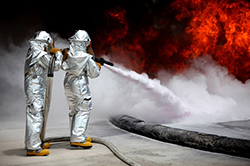 Physical hazards are those that people can't touch, but that nonetheless can cause serious harm. They include exposure to extreme temperatures, radiation, loud noise, and ultraviolet rays.
Ergonomic.
Proper posture is important. More and more workers spend their days seated behind a desk. Over time, the way you sit can hurt you. The weight of your body puts pressure on your muscles, joints, and your spine. If you're not careful, you can injure yourself from simply not seating in the correct position.
Work Organization.
This has to do with your work environment. Stressors can cause anxiety, depression, and physical harm. Your workload, your boss' management style, and the likelihood that you could be a victim of violence at work are all labeled work organization hazards.
The National Institute for Occupational Safety and Health (NIOSH), part of the Center for Disease Control (CDC), was established to come up with ways to prevent common work-related injuries. They came up with the following list of
occupational hazards:
- Abrasive Blasting
- Aerosols
- Anthrax
- Antineoplastic Agents
- Asphalt Fumes
- Bicycle Saddles and Reproductive Health
- Beryllium
- Carbonless Copy Paper
- Climate Change
- Cold Stress
- Decompression Sickness
- Electric and Magnetic Fields (EMF)
- Exposome and Exposomics
- Hazardous Drug Exposure in Health Care
- Heat Stress
- Indoor Environmental Quality
- Insects and Scorpions
- Poisonous Plants
- Silica
- Tobacco in the Workplace
- Ultraviolet Radiation
- Venomous Snakes
- Venomous Spiders
Veterans are exposed to a unique set of occupational hazards. Even if they never see combat, they're likely to face dangers that other workers don't. The U.S.
Department of Veteran's Affairs listed the following hazards for military men and women:
- Asbestos
- PCBs (Polychlorinated biphenyl)
- Industrial Solvents
- Vibration
- Lead
- Noise
- Chemical Agent Resistant Coating (CARC) Paint
- Radiation
- Fuels
For those operating in high-risk industries—such as trucking, construction, and manufacturing—occupational accident insurance plays a key role in risk management. Occupational Accident Insurance (OCAC) can provide essential protection for independent contractors and businesses not covered by traditional workers’ compensation. For example, a truck owner-operator who suffers an injury while loading cargo may not be eligible for workers' comp but could receive benefits under an OCAC policy.
Because of the unique risks they face, truckers and independent operators often rely on occupational accident insurance to help cover medical bills, disability, and lost income. This coverage can also be structured to include liability protection in case the injured party is accused of causing harm to others.
Whether you're a small business owner, a logistics contractor, or a self-employed tradesperson, understanding your exposure to job-site hazards, physical risks, and chemical exposure is crucial. OCAC policies can help bridge gaps in protection and offer peace of mind when traditional employee benefits don't apply.
Frequently Asked Questions
Who typically needs occupational accident insurance?
Independent contractors, owner-operators, and businesses in states where workers' compensation is optional often purchase this coverage.
How is occupational accident insurance different from workers' compensation?
Workers' compensation is regulated by the state and typically offers broader benefits. OCAC is more flexible and tailored but may offer limited coverage.
Does OCAC cover injuries from long-term exposure to hazards?
It depends on the policy. Some plans may cover cumulative injuries, but many focus on sudden, accidental incidents. Always check the policy details.
Can employers offer OCAC instead of workers’ compensation?
In some states like Texas and Oklahoma, employers may opt out of workers’ comp and offer OCAC as an alternative.
What should I consider before buying a policy?
Review your job risks, state laws, and what the policy includes—such as medical limits, disability benefits, and liability coverage.
Still have questions? Talk to a local insurance expert.