Pipeline Insurance: Your Shield in an Industry That Never Sleeps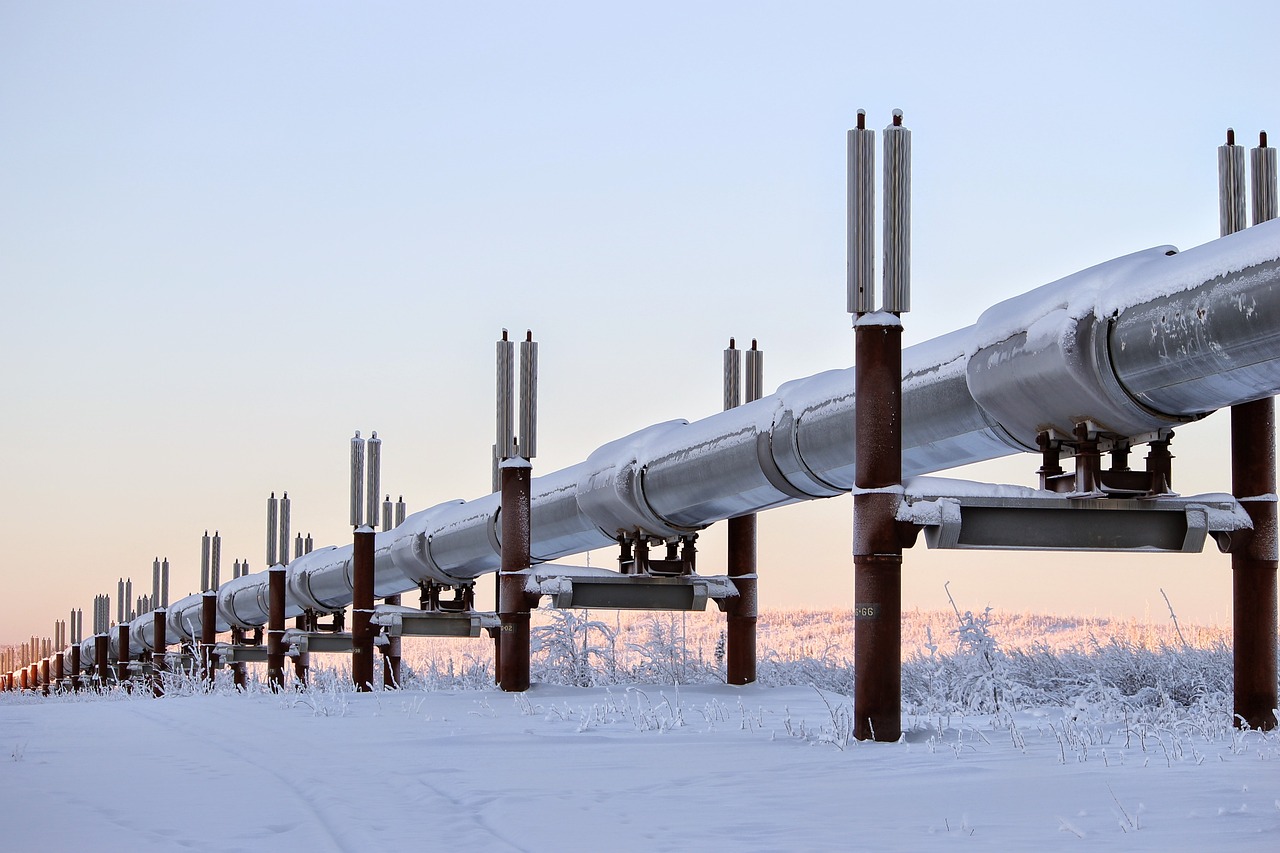
Pipelines don’t take breaks. They transport billions of dollars in energy assets across continents, through harsh terrains and under unpredictable conditions. The stakes? Massive. The risks? Inevitable. The solution? Ironclad pipeline insurance designed for an industry that doesn’t have the luxury of second chances.
The Reality No One Likes to Talk About
Every pipeline operator, oil and gas company and contractor knows it: One unforeseen incident can halt operations, spark lawsuits and burn through capital at an alarming rate. Spills, explosions, equipment failures and environmental claims aren’t hypothetical—they’re recurring headlines. If you’re relying on generic policies, you’re rolling the dice with your entire operation.
Who’s on the Line?
From underground networks to massive above-ground conduits, the list of stakeholders who need specialized coverage is extensive. We’re talking about:
- Pipeline Operators managing extensive energy corridors
- Pipeline Contractors building, expanding, and repairing high-risk infrastructure
- Oil Refineries & Petrochemical Plants connected to a complex web of transport systems
- LNG Facilities & Storage Terminals handling volatile and pressurized materials
- Midstream Energy Companies bridging the gap between production and consumption
- Pipeline Inspectors & Maintenance Teams who are the first line of defense against failure
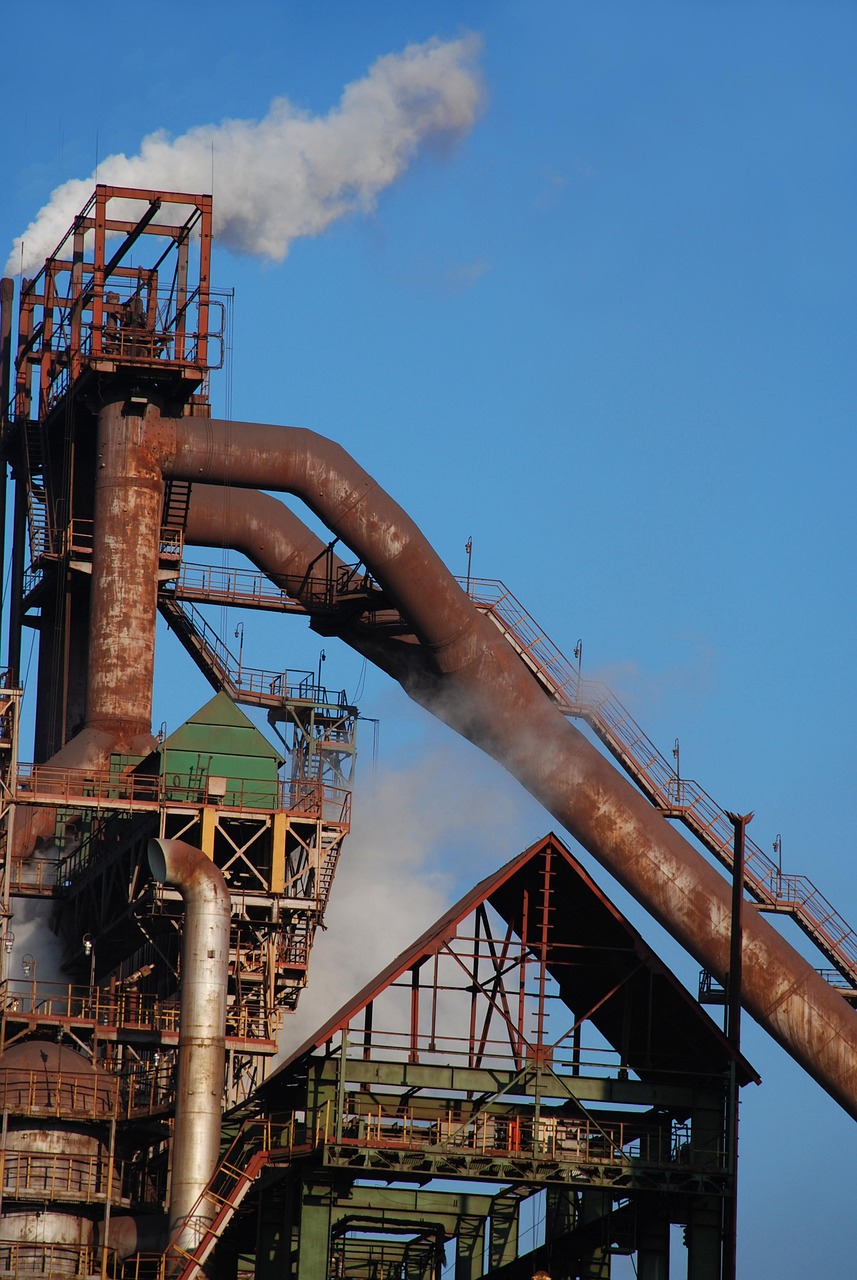
These stakeholders face a range of operational hazards and liability exposures unique to energy infrastructure. A rupture during maintenance or a spill during transport can trigger regulatory scrutiny, environmental remediation, and property damage claims.
Coverage That Anticipates the Worst (So You Don’t Have To)
Ordinary insurance policies leave gaping holes—dangerous ones. That’s why tailored pipeline insurance ensures full-spectrum protection: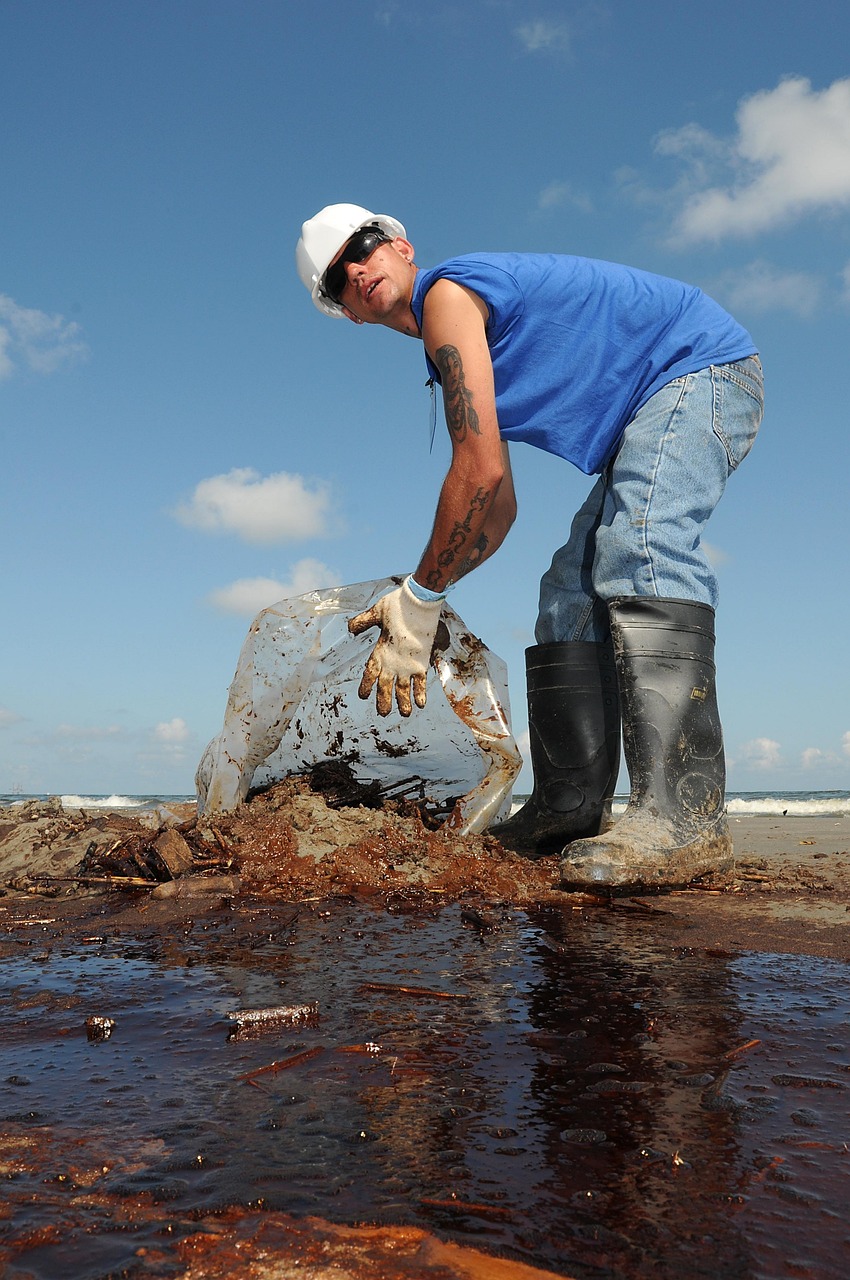
- Spill & Environmental Liability – When leaks happen, cleanup costs skyrocket. This policy covers the damage, legal claims and regulatory fines.
- Catastrophic Incident Protection – Fires, explosions and structural collapses aren’t just costly—they can put you out of business.
- General & Excess Liability – From third-party property damage to personal injury claims, this coverage keeps lawsuits from draining your resources.
- Business Interruption – A single shutdown can cost millions in lost revenue. This policy ensures cash flow continuity while you get back online.
- Regulatory Compliance & Fines – Government agencies don’t wait for excuses. Pipeline Insurance covers the costs of legal fees and compliance violations.
- Equipment & Infrastructure Damage – From pipeline corrosion to mechanical breakdowns, repair and replacement costs can be crippling. This policy steps in before they become catastrophic.
These layers of protection help manage risk exposures from mechanical failures, environmental hazards, and transportation risks that are often excluded under standard commercial liability policies.
 The Unspoken Costs of Underinsurance
Imagine this: A pressure fluctuation causes a pipeline to rupture near a populated area. Environmental agencies come knocking. Residents file lawsuits. Operations grind to a halt. Media coverage turns toxic. Now what? Without robust pipeline insurance, you’re left shouldering legal fees, cleanup costs and massive financial losses—all while trying to repair your reputation.
Underinsurance often leads to delays in business recovery, especially when property coverage or equipment restoration clauses are limited or excluded. These gaps can deeply impact midstream operators, contractors, and facility managers.
Why “Off-the-Shelf” Insurance is a Liability
Most business policies aren’t built for the unforgiving realities of energy transport. They exclude pollution, limit liability and won’t cover business interruptions from industry-specific failures. That’s why pipeline insurance isn’t optional—it’s essential. Explore more about tailored pipeline coverage options and how they compare to traditional commercial policies.
The Bottom Line
This industry demands foresight, resilience and an insurance policy that doesn’t buckle under pressure. Pipeline insurance isn’t just about risk transfer—it’s about operational survival. Don’t wait for a crisis to expose the gaps in your coverage. Invest in a policy that can withstand the pressures of your business.
Frequently Asked Questions
What does pipeline insurance typically cover?
It often includes spill liability, equipment damage, catastrophic event protection, business interruption, and environmental cleanup costs.
Who usually needs pipeline insurance?
Pipeline operators, oil and gas contractors, LNG facilities, and midstream energy companies typically require this coverage due to high operational risks.
Are environmental damages included in pipeline insurance?
Yes, many policies include environmental liability, but the extent of coverage depends on the policy terms and exclusions.
Can pipeline insurance cover business interruptions?
Yes, if included, it helps protect against revenue loss from operational shutdowns caused by covered incidents.
Still have questions? Talk to a local insurance expert.