What is product liability insurance?
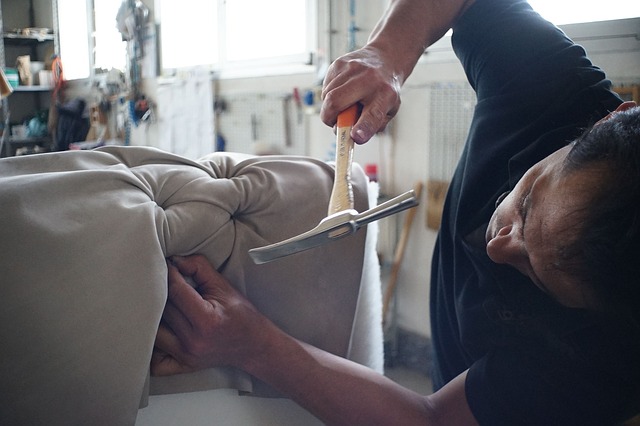
Product liability insurance protects against claims of personal injury or property damage caused by products sold or supplied through the insured’s business.
Products could be in any category, but certain types of products such as hazardous or chemical products are underwritten differently than toy products, for example.
This protection is designed to help shield manufacturers, distributors, and retailers from lawsuits arising from injuries or property damage due to a faulty or dangerous product.
These days, you cannot do business without adequate insurance. Clients, distributors, and retailers often require proof of coverage before entering into agreements. For many businesses, this type of commercial liability insurance is a critical part of risk management.
For business owners, insurance plays a key role in protecting against major financial losses. A product liability policy may step in to cover legal defense costs or settlement expenses if a covered claim arises. This is particularly important for businesses that
manufacture, import, or sell physical goods.
What does Product Liability Insurance Cover?
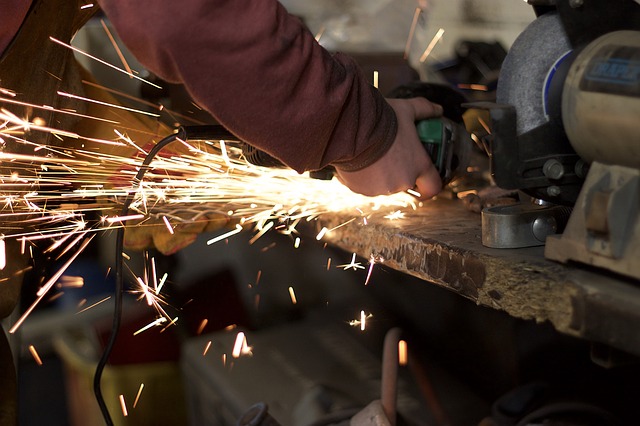
Product liability insurance, often included under a
Commercial General Liability (CGL) policy, covers liability for bodily injury or property damage caused by a product defect. For instance, if a defective bicycle frame breaks during use and injures a rider, the manufacturer could be held liable.
This differs from general premises liability, which covers incidents like a slip-and-fall at your warehouse. Product liability focuses specifically on harm caused by the products themselves, even after they’ve left your premises.
There are multiple liability exposures, such as:
- Design flaws making a product inherently unsafe
- Manufacturing defects that introduce hazards during production
- Failure to warn or provide adequate instructions
Coverage may extend to legal fees, settlements, and court-awarded damages. However, standard exclusions often apply.
Common Exclusions in Product Liability Policies
Many policies contain exclusions that limit coverage. Common examples include:
- Quality Control Exclusion – Coverage may be denied if there's no adequate quality assurance process in place.
- Reporting Exclusion – Failing to inform your carrier about changes in materials or components can void coverage.
- Efficacy Exclusion – If a product fails to perform its intended function, like a fire alarm that doesn’t activate, that may not be covered.
- Material Exclusion – Use of excluded materials or ingredients, such as banned chemicals, can nullify coverage.
Always review exclusions with your broker to avoid gaps in coverage.
Hazardous Products Manufacturing and Distribution Insurance
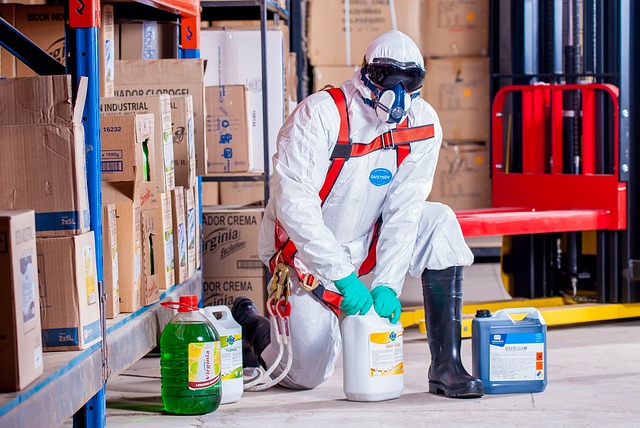
Businesses that manufacture or distribute high-risk items—such as supplements, chemicals, or auto parts—face elevated underwriting scrutiny. These types of risks may require specialized coverage through a surplus lines carrier or
licensed broker experienced in hazardous product liability.
Even if you're not the manufacturer, liability can extend to sellers and distributors under the "stream of commerce" doctrine. For example, a retailer can be sued if a product they sold causes injury—even if they didn’t produce it.
For more details on industry-specific protection, visit the pages for
Manufacturers and Products Liability Insurance or
Product Liability Insurance for Hazardous or New Products.
How much does Product Liability Insurance Cost?
Premiums vary depending on several underwriting factors. The nature of your product is a major consideration—higher-risk products tend to carry higher premiums. Other common factors include:
- Your annual gross sales
- Claims history
- Business structure and operations
- Coverage limits and deductibles
Insurers may also require an annual audit based on actual sales to adjust the premium accordingly.
To help reduce costs, businesses can improve safety protocols, avoid unnecessary coverage limits, and work with brokers who can compare quotes across multiple carriers.
Why Proof of Product Liability Insurance Matters
Many retailers, wholesalers, and distributors require proof of insurance before doing business. A certificate of insurance (COI) shows that your policy is active and meets minimum requirements. This is often a prerequisite for contracts in the manufacturing and retail supply chain.
In some cases, you may be asked to add a business partner as an “additional insured” on your policy for added protection.
How to Get a Quote
To get started, contact a licensed broker who understands your industry and product type. They can help you gather necessary information—such as product specs, sales history, safety practices, and any prior claims—to submit to underwriters.
A broker may also arrange a loss control visit. This helps insurers assess workplace safety, quality control measures, and operational hazards. The visit is also an opportunity to identify ways to improve safety and potentially lower your premium.
Find a broker today to help you secure the right product liability insurance for your business.
Frequently Asked Questions
What types of businesses need product liability insurance?
Any business that manufactures, imports, distributes, or sells physical products—including startups, small retailers, and large-scale manufacturers—should consider this coverage.
Does general liability insurance include product liability coverage?
Often, yes. Product liability is typically included under a Commercial General Liability (CGL) policy as part of products-completed operations coverage, but always verify with your broker.
What happens if I stop selling a product but someone gets hurt later?
Product liability exposure can continue after a product is discontinued. It’s important to maintain coverage for as long as the product is in use.
Are software or digital products covered?
Product liability insurance generally applies to physical goods. Coverage for digital products or software may require specialized cyber or tech E&O insurance.
How are product liability claims proven?
Claimants typically must show the product was defective, caused injury or damage, and was used as intended without alteration after purchase.
Still have questions? Talk to a local insurance expert.