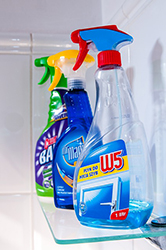
House cleaners play a vital role in keeping a home safe and running smoothly. Whether you run a small cleaning company or employ a full‑time housekeeper, it’s important to consider residential cleaning workers compensation if you haven’t already. While the work may seem low risk at first glance, house cleaning involves operational hazards such as harsh chemicals, slippery floors and powered equipment like vacuums and floor polishers. Even experienced staff can be injured, so an insurance policy that addresses medical costs and liability exposures is worth exploring.
What You Need to Know
Residential cleaning workers compensation functions like other workers' compensation programs—someone is injured on the job and the policy helps cover medical bills and wage replacement to limit out‑of‑pocket costs and reduce the chance of expensive lawsuits. For cleaning businesses, this is commonly called workers' compensation coverage; homeowners who directly employ housekeepers should also evaluate coverage options like Housekeepers Insurance to make sure household employees are protected. The right policy can also be paired with commercial liability or equipment coverage endorsements to help with legal fees or third‑party claims arising from property damage or bodily injury.
 How much coverage do you need?
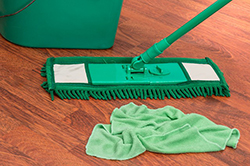
Coverage levels depend on several underwriting factors: number of employees, hours worked, work locations, the cleaning supplies and powered equipment used, any past incident history, and your budget for premiums. Even a single full‑time housekeeper represents an employer exposure. Employers and homeowners should also consider additional risk management considerations — safety training, proper protective equipment, and documented procedures — to limit frequency and severity of claims. A short risk scenario: a slip on a wet floor that leads to medical treatment and lost time at work illustrates how quickly costs can add up without proper coverage.
It’s also important to know that paying workers' compensation does not always prevent lawsuits. Policies can include endorsements that help pay legal defense costs and settlements when third‑party claims arise. For cleaning businesses that visit client homes or manage multiple properties, combining workers' compensation with general liability is a common approach to cover both employee injuries and third‑party property damage.
 Taking the Next Step
Insurance choices are rarely one‑size‑fits‑all. Rather than buying the first policy you find online, take the time to talk with a reputable insurance agent. Describe your operations, whether you run a residential cleaning company or employ a housekeeper at home, and ask about options such as Residential Cleaning Workers Compensation, Janitorial - Workers' Compensation Insurance, or tailored Housekeepers Insurance to match your exposures. An agent can help you assess coverage limits, exclusions and possible endorsements like equipment coverage or commercial auto exposure if staff drive between jobs. If you’re ready for a quote,
talk with a reputable insurance agent. The agent can also explain proof of insurance and compliance requirements in your state and what documents you may need to show clients or landlords. For businesses that also provide office or building cleaning, you may want to compare coverages with Building and Office Cleaning Services Insurance to ensure all exposures are addressed.
Frequently review your policy as your business grows or you change services; additions like participant accident coverage or broader liability limits can become important if you take on larger contracts or specialized cleaning work.
Frequently Asked Questions
Do homeowners need workers' compensation for a single housekeeper?
It depends on local requirements and your hiring arrangement. Homeowners who directly employ staff should check state rules and discuss options with an agent to understand employer liability and potential coverage options.
What common exclusions should I watch for?
Policies often exclude intentional acts, some high‑risk tasks, or injuries related to non‑work activities. Review exclusions with your agent to see if endorsements are available for equipment or property damage exposures.
How can I lower the chance of a claim?
Implement basic risk management: train staff on safe chemical use, require slip‑resistant footwear, maintain equipment, document procedures, and keep incident records. These steps help reduce injuries and can favorably influence underwriting.
Still have questions? Talk to a local insurance expert.