Home >
Liquor Store Insurance Guide >
Retail Liquor/Spirits Store Workers Compensation (class code: 8060)
This page is part of the broader Liquor Store Insurance Guide. Here, we highlight critical coverages, including liquor store insurance and the importance of protecting your business against employee injuries.
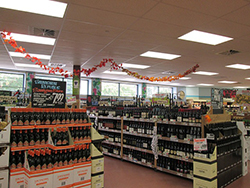
Running a liquor store can be a rewarding and profitable business, but it also comes with unique risks. From slips and falls to lifting injuries and even robberies, your employees face hazards every day. One of the best ways to protect them and your business is to invest in liquor store workers compensation insurance. Before you buy a policy, there are a few important points to understand.
Read on for more useful information or click to instantly find a local insurance expert to help you with insurance for liquor store.
What is Workers Compensation Insurance?
When it comes to insurance, many liquor store owners focus on protecting the building, inventory, and liability to customers. However, an employee injury can quickly turn into a major financial problem. Medical bills, lost wages, and potential lawsuits can add up fast and may put your business at risk.
Workers compensation insurance helps pay for covered medical expenses, rehabilitation, and a portion of lost wages if an employee is injured or becomes ill because of their job. It can also provide benefits to dependents in the event of a work-related fatality. Having workers compensation insurance for your liquor store employees means the policy responds to covered claims instead of you paying out of pocket.
It is Important to Check the Law

Before you purchase any policy, make sure you understand the legal requirements where your business is located. In many states, employers are required to carry workers compensation insurance once they hire a certain number of employees. Some locations also set minimum coverage standards or have special rules for part-time and seasonal workers.
Because workers compensation laws are state-specific and can change, it is important to review current regulations or work with a knowledgeable insurance agent. They can help you understand whether coverage is mandatory for your liquor store and what general limits or benefits are typically required in your area.
How Much Coverage to Get
The exact coverage you choose (and qualify for) can depend on several factors, such as:
- Number of employees and your payroll size
- Whether the building and equipment are up to code and well maintained
- Your business location and neighborhood risk factors
- Hours of operation, including late-night or 24-hour schedules
- Your claims history and overall financial condition
While choosing lower limits or bare-minimum coverage may seem like a way to save money, it can leave your business exposed if a serious injury occurs. A significant claim can quickly exceed low limits and create financial strain. An insurance professional can help you select coverage that balances cost with realistic risk for liquor store operations.
How to Keep Policy Rates Down

The best way to help control your workers compensation costs is to reduce the chance of injuries in the first place. Insurers often look at your safety record and prior claims when pricing a policy.
Consider the following safety practices for liquor stores:
- Keep floors clean, dry, and free of clutter to reduce slips and falls.
- Train employees on proper lifting techniques for cases, kegs, and stock.
- Use carts, dollies, and step stools to move and stock heavy items.
- Maintain good lighting inside and outside the store.
- Follow security procedures to help reduce the risk of robberies or assaults.
- Ensure shelving and displays are stable and properly secured.
- Report and document any incidents or near-misses promptly.
A strong safety culture, written procedures, and regular training can help lower the likelihood of injuries and may improve your eligibility for favorable policy terms over time. If an incident does occur, document it as soon as possible and follow your insurer’s reporting requirements.
The Next Step
The next step is to
contact an insurance agent to talk more about getting a liquor store workers compensation insurance policy. They can help shape a policy to suit your specific needs, explain available coverage options, and guide you through the application process. Running a business is challenging enough on its own; having the right workers compensation coverage in place can help you focus on serving your customers while protecting your employees and your bottom line.
Frequently Asked Questions
Do I need workers compensation insurance if I only have part-time liquor store employees?
Many states require workers compensation coverage based on the number of employees, not whether they are full-time or part-time. Because rules vary by state, it is important to check local requirements or speak with an insurance professional to understand what applies to your store.
What types of injuries are typically covered for liquor store employees?
Covered claims often include injuries that arise out of and in the course of employment, such as slips and falls, lifting and stocking injuries, cuts from broken glass, or injuries related to a covered robbery incident. Actual coverage depends on your policy terms and state law.
Does workers compensation cover employees who are injured during a robbery?
If an employee is injured while performing job duties, such as during a robbery at the store, the injury may be covered under workers compensation, subject to policy terms and applicable law. Your agent can explain how your specific policy may respond to these types of incidents.
Will a prior workers compensation claim make my liquor store uninsurable?
A past claim does not usually make a business uninsurable, but it can affect pricing and underwriting. Insurers may review the details of the claim and what safety measures you have put in place since then. Demonstrating improved safety practices can help when applying for coverage.
How can I show proof of workers compensation coverage to my state or landlord?
Once your policy is issued, your insurer or agent can provide a certificate of insurance. This document summarizes your workers compensation coverage and is commonly used as proof of insurance for state filings, landlords, or other parties that require it.
Still have questions? Talk to a local insurance expert.