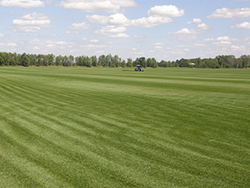
At first glance, the sod business may seem simple. Many people don’t think about sod farmers until they need grass for their yard. But growing high-quality turf is more complex than it appears, involving careful irrigation, pest management, and timing for harvest.
Not everyone can grow a lush, weed-free lawn. Patchy grass, brown spots, and invasive weeds are all too common. That’s why sod farming plays a vital role—these farmers provide healthy, ready-to-lay turf for homes, parks, and businesses, and they face unique operational hazards like prolonged drought, disease pressure, and supply-chain delays.
Read on to learn more, or
connect with an insurance expert who understands sod farm risks.
Unfortunately, sod farming is far more involved than simply planting grass seed. A successful sod farmer must also be part scientist, navigating challenges like drought, disease, and environmental regulations. These risks impact both crop yield and profitability, making farm insurance essential. Coverage considerations often include general liability, property coverage, equipment coverage, commercial auto exposure, and crop insurance variations; underwriting factors and policy limits vary by carrier and operation.
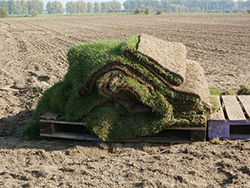
Sod farmers face a variety of hazards—from unpredictable weather to theft and equipment loss. Choosing business insurance for a sod farm requires industry-specific knowledge; an agent familiar with sod operations can explain options such as commercial liability, crop insurance endorsements, and commercial auto exposure. For examples of tailored options, see
Insurance for Sod Farms.
In addition to growing and harvesting turf, sod farms rely on costly, specialized equipment. Irrigation systems are frequent targets for scrap metal theft. Tractors and other machinery are also vulnerable, sometimes ending up in overseas markets where stolen equipment is harder to trace. Equipment coverage and property coverage can help protect against these losses, and risk management considerations like secure storage and tracking systems can reduce exposures. A simple risk scenario: a stolen irrigation pump can halt watering and produce crop damage before replacement equipment arrives.
Employee injuries are another concern. Tasks such as lifting, bending, and operating machinery can lead to workplace injuries. These risks make it important to have the right workers' compensation coverage—and to work with an insurer who understands the physical demands of sod farming; learn more about available options under
Workers Compensation Insurance.
Sod crops can have unique underwriting needs compared with row crops. Sod may require specialized crop insurance or endorsements because of its harvesting process and the importance of continuous irrigation—resources such as
Securing the Roots of Your Business: Growers Insurance Overview can explain common approaches. Understand policy exclusions, such as certain contamination or gradual deterioration clauses, and discuss mitigation steps with your broker.
Finding the right business insurance agent should be as smooth as laying sod. An experienced provider will evaluate liability exposures, recommend property and equipment schedules, and advise on commercial auto exposure for farm vehicles. Operators, contractors, and small agribusiness owners typically seek these coverages and benefit from an agent who understands turfgrass operations. When you're ready,
find an insurance expert that understands your business.
Frequently Asked Questions
What types of insurance do sod farms typically need?
Common coverages include general liability, property insurance, crop insurance, workers' compensation, and equipment coverage.
Does farm insurance cover theft of tractors or irrigation systems?
Yes, many policies offer coverage for theft of farm equipment, but it depends on your specific policy and endorsements.
Are sod crops covered under standard crop insurance?
Not always. Sod may require specialized crop insurance due to its unique growing and harvesting process.
How can I lower insurance costs for my sod farm?
Maintaining safety protocols, securing equipment, and working with an agent familiar with sod farming can help manage costs.
What should I look for in an insurance provider for my sod farm?
Choose a provider with experience in agricultural risks, especially turfgrass or niche crop operations.
Still have questions? Talk to a local insurance expert.