Navigating the Complexities of Woodworking and Lumber Insurance
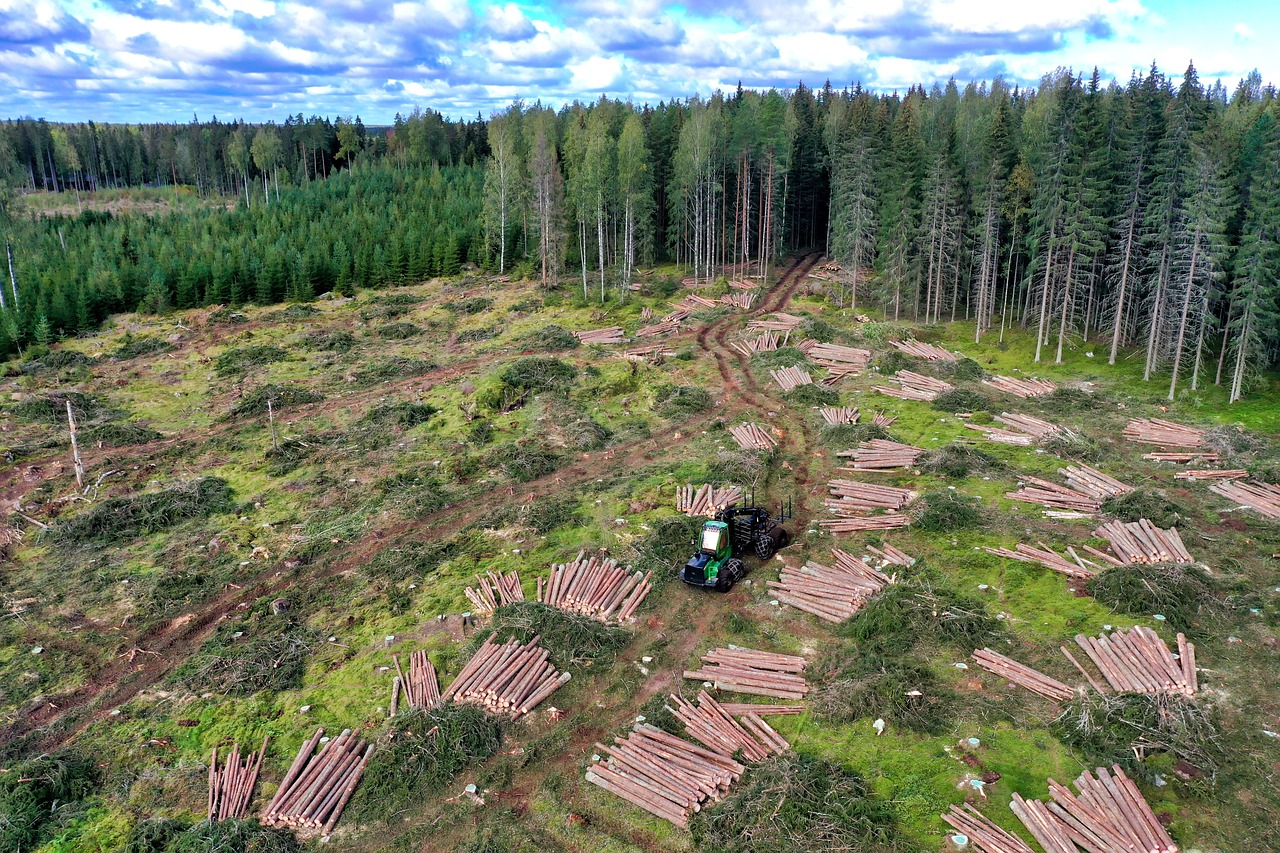 Forestry, logging, and sawmill businesses, including lumber and timber companies, operate in a high-risk environment, facing a multitude of hazards that can impact their operations, equipment, and personnel. For contractors serving these industries, the risks are even more pronounced, as their livelihood depends on consistently delivering essential services to forestry-related clients.
The Real Risks You Face
When you’re in the business of logging, lumbering, running sawmills, chipping wood, or clearing land, you know you’re dealing with some serious risks. Heavy machinery, dense forests, and tough physical labor are all in a day's work.
- Logging and lumbering jobs mean working in remote and sometimes tricky spots. Think about the risks: trees falling, machinery breaking down, and the unpredictable weather.
- Sawmills have their own set of dangers with all those powerful cutting tools and chipping machines.
- Land clearing? That’s about heavy equipment and often rough terrains, making accidents and damages almost inevitable.
Every part of these operations has unique risks, so a one-size-fits-all insurance policy just won’t cut it. That’s why having the right Woodworking and Lumber Risks Insurance policy isn’t just a smart move—it’s essential.
Must-Have Insurance Coverages
General Liability Insurance
This is your basic protection against claims if someone gets hurt or property gets damaged. Say a tree you’re cutting falls and damages a nearby property—general liability insurance has your back, covering those costs.
Workers' Compensation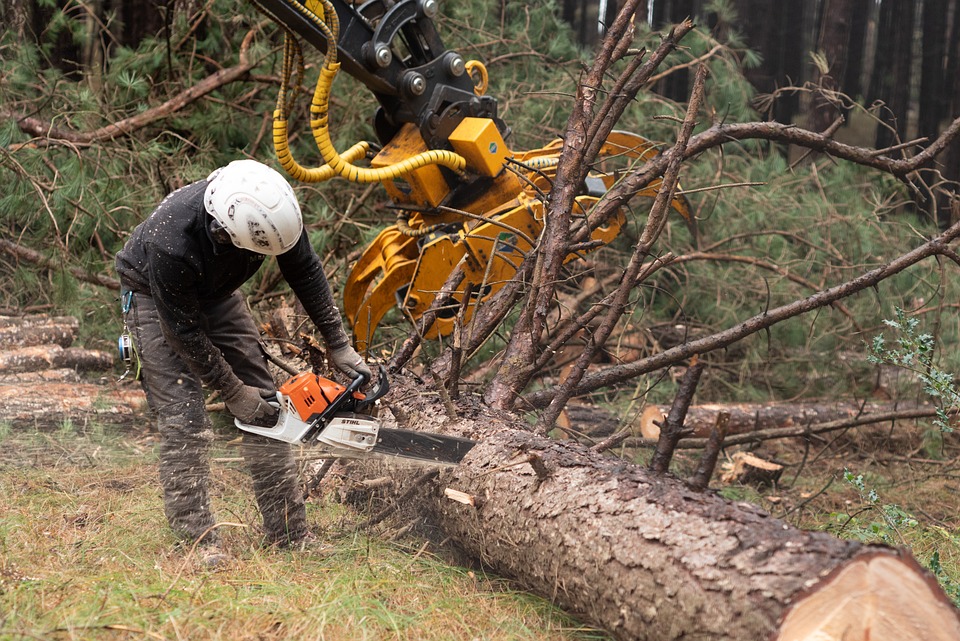
Jobs in this field are tough and accidents can happen. Workers' comp is there to cover medical bills and lost wages if your employees get injured. This coverage safeguards your workers and your business from legal risks.
Commercial Property Insurance
Your equipment, buildings, and inventory are big investments. Commercial property insurance covers damage from fires, theft, vandalism, and natural disasters. Imagine a fire breaking out in your sawmill—this insurance helps cover the costs of getting back on your feet.
Commercial Auto Insurance
If you’re transporting logs, lumber, or equipment, you need commercial auto insurance. It protects your vehicles and drivers from accidents, damage, and liability on the road. Think of it as essential for keeping your wheels—and your business—moving.
Inland Marine Insurance
Moving tools, machinery, and materials between sites? Inland marine insurance protects these assets while they’re in transit or stored off-site. So, if your chipping machine gets damaged during transport, you’re covered.
Environmental Liability Insurance
Logging and land clearing can impact the environment. Environmental liability insurance covers the costs of cleanup and damages if your operations cause pollution or other environmental issues. It’s critical for compliance and avoiding significant financial penalties.
Business Interruption Insurance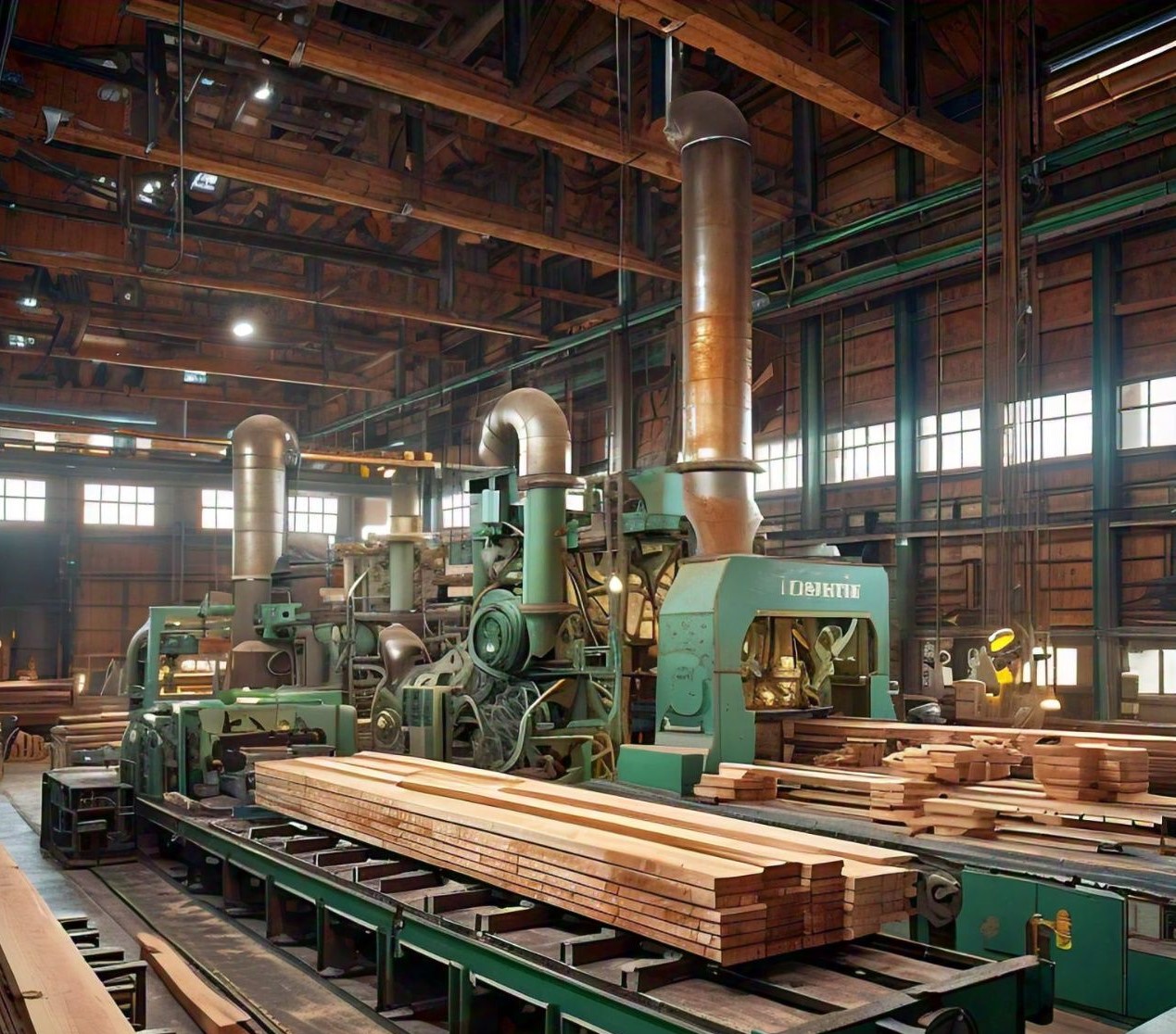
Unexpected events like fires or major equipment failures can halt your operations. Business interruption insurance helps cover lost income and operating expenses during these downtimes, ensuring your business can survive until things get back to normal.
Product Liability Insurance
If you manufacture or sell wood products, you need product liability insurance. This coverage protects you from claims arising from defective or damaged products, such as a wooden beam that fails and causes structural damage. Product liability insurance helps cover legal fees, settlements, and damages, ensuring your business reputation and finances are protected.
Crafting Your Perfect Insurance Package
Every business in the woodworking and lumber industry has unique needs. Whether you’re a small sawmill or a large logging company, it’s important to work with an insurance provider who understands your industry and can tailor a package that covers all your specific risks. Contact our local insurance experts today to discuss your woodcutting and lumber risks insurance needs.