
Comprehensive Insurance for Congregate Living Facilities: Safeguarding Elderly Care Communities
As the US population ages, with nearly 1 in 5 Americans expected to be over 65 by 2030, the demand for quality elderly care continues to grow. Congregate living facilities—also known as elderly living communities—offer a supportive environment combining housing, healthcare, and daily living assistance. With this growth comes increased exposure to legal, financial, and operational risks, making specialized insurance coverage essential.
These facilities care for vulnerable populations, making them susceptible to accidents, regulatory complaints, data breaches, and other costly events that can disrupt operations or harm residents and staff.
Why Insurance is Crucial for Congregate Living Facilities for the Elderly
Congregate living facilities operate at the intersection of healthcare and housing, exposing them to risks such as medical errors, visitor injuries, and property damage. Without comprehensive insurance, these facilities face lawsuits, financial losses, and reputational harm that can impact resident safety and long-term viability.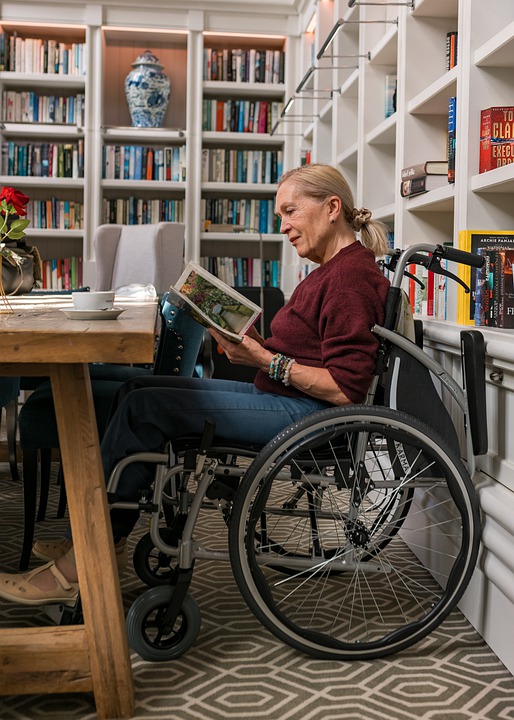
A report from The Hartford shows that slip-and-fall claims in elderly care settings occur at 10 times the rate of other industries, with an average cost of over $70,000. These risks make insurance coverage a critical component of responsible facility management.
Key Insurance Coverages for Elderly Living Facilities
General Liability
General liability insurance protects against third-party claims of injuries or property damage. If a visitor slips and falls or a delivery driver is injured onsite, this coverage helps pay for medical costs and legal fees. With frequent visitors, this is a fundamental protection. The NCAL reports annual increases of 12% in general liability claims for senior care providers.
 Professional Liability (E&O Coverage)
Caregivers and nurses provide essential services, from medication management to daily support. If a caregiver makes an error resulting in harm, the facility may face a lawsuit. Professional liability, or errors and omissions coverage, protects against claims of negligence in care. According to Beazley Group, 55% of medical liability claims in senior care stem from medication errors.
Property Insurance
Property insurance covers damage to buildings and equipment from events like fires, storms, and electrical issues. The NFPA reports over 6,000 fires annually in elderly care settings, highlighting the importance of protecting physical assets.
Workers’ Compensation
Staff often assist residents with mobility, increasing the risk of workplace injuries. Workers’ compensation insurance helps cover medical care and lost wages for injured employees. Liberty Mutual notes that 40% of injury claims in these settings involve lifting or moving residents.
Cyber Liability
Digital health records and online management systems expose facilities to cyber threats. Cyber liability insurance helps cover legal fees, regulatory fines, and recovery costs after a data breach. IBM estimates the average healthcare data breach costs $9.23 million.
Business Interruption
Events like natural disasters or pandemics can halt operations. Business interruption insurance helps cover lost income and ongoing expenses during closures. The COVID-19 pandemic demonstrated how quickly disruptions can impact care facilities.
Legal and Regulatory Requirements
Elderly living facilities must follow strict federal and state standards. Directors & Officers (D&O) insurance protects board members and executives from lawsuits related to mismanagement or regulatory violations. The CMS enforces these standards, and non-compliance can lead to sanctions or closure.
The Financial Consequences of Inadequate Insurance
Without the right coverage, a single lawsuit or disaster could drain your facility’s resources, cause long-term damage, or force closure. Insurance helps ensure stability for residents, staff, and operations.
Secure the Future of Your Congregate Living Facility for the Elderly
Don't wait until a crisis strikes. Protect your residents, staff, and assets with tailored insurance coverage. From general liability to cyber protection, we offer solutions designed for the unique needs of elderly care communities.
Act Today: Contact us to learn more about securing the right insurance solutions for your congregate living facility for the elderly. Protect your facility and those who depend on you with the peace of mind that comes from having comprehensive coverage.
Frequently Asked Questions
What types of insurance are most important for elderly living facilities?
Key coverages include general liability, professional liability, property insurance, cyber liability, and workers’ compensation.
Are elderly care facilities legally required to carry insurance?
Requirements vary by state, but most facilities must carry certain types of insurance to meet licensing and regulatory standards.
Does insurance cover staff injuries at elderly care facilities?
Yes, workers’ compensation insurance helps cover medical costs and wages for injured employees.
What risks does cyber liability insurance protect against?
It covers costs related to data breaches, including legal fees, notifications, and system recovery.
How can I get a quote tailored for my facility?
You can request a customized insurance quote by visiting our quote page.
Still have questions? Talk to a local insurance expert.