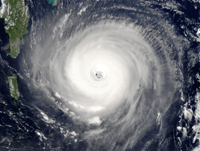
Hurricane Irene's destruction has left many people facing extensive property damage. Individuals who must file a claim have several important steps to follow: make necessary emergency repairs to prevent further damage, document the loss, and contact an insurance representative for next steps.
Be sure to take clear photos of the damage and gather any before-and-after images you have. Next, talk to an agent. If a carrier phone number was lost in the damage, consult the Insurance Information Institute's list of claim phone numbers for various insurance companies. For more on homeowner responsibilities and coverage basics, see Understanding Homeowners Insurance and Responsibilities.
Common questions and valuable claim tips
- What to Do after Filing a Claim. The most important thing is to prevent further damage: secure the property, board broken windows, dry carpets, and temporarily cover damaged roofs. Do not attempt major non-emergency repairs until an insurance adjuster can assess the property, and keep receipts for emergency repair supplies and temporary housing.
- How to Speed Up the Claims Process. Priority after a disaster is given to the most severe cases, and larger claims are often settled in steps. Helpful tips include getting at least two repair estimates for the adjuster to review, taking thorough photos, and compiling a detailed inventory of damaged items with descriptions, original cost, age, where purchased, and estimated replacement cost.
- What to Do if the Property Is Uninhabitable. Some homeowners policies include coverage for extra living expenses after storm damage. Review your policy to confirm whether this coverage applies and keep your additional living costs reasonable and documented.
- Food Spoilage Due to Power Outages. Most standard policies do not cover spoiled food, though some carriers provide limited coverage (often in the low hundreds) for food lost during a prolonged power outage.
- Coverage for Fallen Trees. Damage to trees from weather is typically not covered unless a tree causes direct damage to a covered structure such as a house, fence, or garage.
- Damage from Power Surges. When power returns after an outage, surges can damage electronics. Many policies cover sudden, accidental damage from electrical currents but may exclude certain components like computer chips and similar items, which can leave some electronics uncovered.
- Claim Checks That Aren't Enough. Understand whether your policy pays replacement cost or actual cash value. If the payment seems lower than expected, discuss the specifics of your policy with your agent to clarify covered amounts and depreciation rules.
- When to Expect a Check. After the adjuster assesses the damage and completes paperwork, the carrier processes the claim and issues payment. Turnaround time varies with the volume of claims; contact your agent for a status update if processing appears delayed.
- Understanding Replacement Cost vs. Cash Value. Replacement cost covers repairing or replacing an item at current prices (subject to policy limits), while cash value pays replacement cost minus depreciation.
- What Underinsured Individuals Should Do. Many homeowners discover they do not have enough coverage after a loss, often because the policy was not reviewed after renovations or additions. Notify your insurer of significant home improvements to keep coverage appropriate.
Finally, if a copy of your policy is available, review it for answers before calling. If provisions are unclear, contact your agent for clarification. If you need additional assistance managing a complex claim, see Claims Management Services for Property Insurance.
For help securing appropriate home coverage, see Home Buyers: Make Securing Homeowners Insurance a Top Priority. For guidance related to association properties and shared amenities, see HOA, Recreation & Entertainment Insurance.
Frequently Asked Questions
How soon should I file a hurricane damage claim?
File as soon as possible after emergency needs are addressed; timely reporting helps ensure documentation and quicker processing.
What documentation should I keep for a claim?
Keep photos, receipts for emergency repairs and temporary housing, inventories of damaged items, and any estimates or contractor bids.
Will my homeowners policy cover flood damage from a hurricane?
Standard homeowners policies typically exclude flood damage; check your policy and consider a separate flood policy if you are in a flood-prone area.
What if I disagree with the adjuster's estimate?
Request clarification from your adjuster, provide additional documentation or estimates, and discuss options with your agent for dispute resolution or appraisal if needed.