Overview
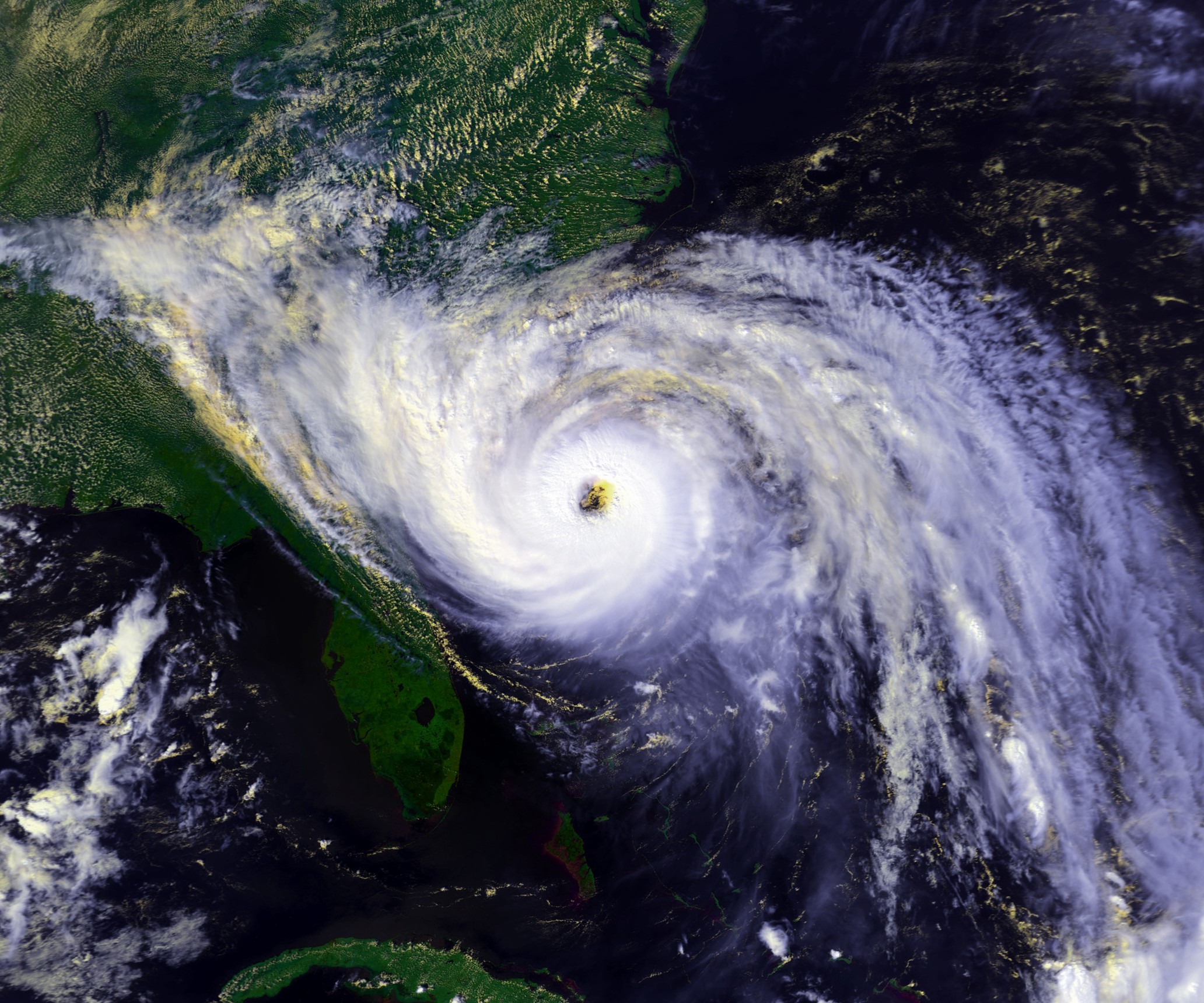 Hurricane season can affect businesses far beyond the immediate coastline through high winds, storm surge, inland flooding, and supply-chain disruption. Every business should have a clear contingency plan that identifies closure triggers, employee notification methods, and critical recovery steps.
Coastal properties face the highest direct risk, but inland companies can lose revenue when key suppliers, transport routes, or utilities are interrupted. Consider reviewing Coastal Properties Insurance as part of a broader risk assessment for locations near the water.
Key takeaways
- Hurricanes create both direct property damage and indirect business interruption risks.
- Create written procedures for evacuation, securing facilities, and notifying staff.
- Back up power, water, and communications to minimize short-term outages.
- Review suppliers and specialty coverages to reduce supply-chain exposure.
How it works
Storms cause damage through wind, flooding, and falling debris; they also often interrupt utilities and transportation networks. A preparedness plan should prioritize life-safety steps, then actions to reduce property and data loss.
Identify staff responsible for specific tasks—securing windows, shutting off utilities, and moving valuable equipment to higher ground or off-site storage. Small or home-based manufacturers should document production locations and inventory so losses can be tracked quickly; businesses run from residences may benefit from policies like Home-Based Natural Ingredient Lotion Insurance when applicable.
What it may cover (and what it may not)
Business property and commercial general liability policies can cover damage to buildings, equipment, and customer property in your care, while business interruption coverage can replace lost income during a covered shutdown. Coverage scope varies by policy and insurer.
Many standard policies exclude flood and some forms of storm surge, which require separate coverage. If your operation relies on specialized suppliers—such as those producing medical or laboratory products—review options for supplier interruption and specialty policies like Pharmaceutical Preparations & Medical Products Insurance where relevant.
Common mistakes to avoid
Failing to document inventory, equipment, and property condition before a storm makes claims slower and more difficult. Keep recent photos, serial numbers, and inventory lists off-site or in the cloud.
Assuming suppliers and carriers will operate normally can leave you without critical inputs; identify alternate suppliers and transportation routes in advance. Also avoid relying solely on verbal plans—put procedures in writing and distribute them to all employees.
Questions to ask an agent
- Does my current policy cover wind damage, and is flood covered or excluded?
- What limits and waiting periods apply for business interruption coverage?
- Are there endorsements available for supplier interruption or ordinance and law costs?
- How should I document losses to speed a claim after a storm?
If you need help reviewing options or coordinating coverage changes, talk to an agent who can explain available endorsements and gaps in protection.
Next steps
Create a concise hurricane response checklist that covers employee safety, property protection, data backups, and vendor communication. Test notification procedures and backup systems with periodic drills.
Review insurance policies at least annually and after any change in operations, location, or suppliers. Add flood or specialty coverages when exposures indicate they are needed, and maintain a list of alternate suppliers and short-term storage options to reduce downtime.
Frequently Asked Questions
Will my standard commercial property policy pay for flood damage?
Most standard commercial property policies exclude flood; separate flood insurance is usually required to cover water from storm surge or rising rivers.
How can I reduce business interruption losses if a supplier is affected by a hurricane?
Identify backup suppliers, increase on-hand inventory of critical inputs, and consider business interruption endorsements that account for supplier outages.
What documentation helps with an insurance claim after a storm?
Keep recent photos, inventory lists, equipment serial numbers, receipts, and a record of business income to support property and business interruption claims.