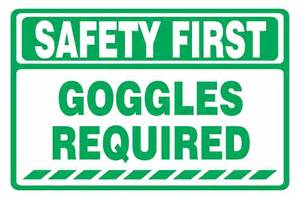
Overview
Minor workplace habits—like skipping protective eyewear or working through a missed meal—create small risks that can quickly cascade into serious injuries. This guidance explains common low-profile hazards and practical steps employers and employees can take to reduce everyday risk without disrupting productivity.
The examples are applicable across many settings including offices, kitchens, workshops, and construction sites. Focus on simple, consistent practices and clear expectations to prevent the "domino effect" accidents described here.
Key takeaways
- Small safety lapses often lead to larger incidents; training and habits matter.
- Personal protective equipment and appropriate breaks reduce lapses in attention.
- Clear policies about alcohol and attire help manage everyday risks.
How it works
Every workplace has low-risk tasks that become hazardous when combined with distraction, fatigue, or inappropriate clothing and footwear. For example, a momentary loss of focus from an eyelash or a missing lunch break can be enough for a tool or machine to cause injury.
Hazard control focuses on three practical layers: remove the hazard where possible, use engineering or administrative controls, and require personal protective equipment. For sector-specific guidance, see Safety in Distribution Centers and Construction Sites.
What it may cover (and what it may not)
General safety programs and basic training typically cover common risks like slips, trips, and minor tool injuries through procedures and PPE requirements. Employers may also provide supervision and scheduled breaks to keep workers alert and safe.
Some specialized risks—such as environmental cleanup after a spill—require targeted resources and coverage. For information on managing pollutant-related exposures and cleanup responsibilities, see On-site cleanup of pollutants.
Insurance and safety programs vary by industry and incident type, so not every minor error or policy gap will be covered the same way by every plan.
Common mistakes to avoid
Assuming a minor task is too trivial for PPE: even brief exposure to sawdust or a small splatter can cause loss of focus and bigger accidents.
Allowing casual footwear or loose clothing where hazards exist: footwear that is acceptable in an office can be dangerous in a kitchen or on a jobsite.
Permitting on-site drinking during breaks without clear limits: even modest impairment increases the chance that routine equipment will be handled unsafely.
Skipping scheduled breaks or encouraging unpaid work during busy hours: fatigue reduces situational awareness and increases error rates.
Questions to ask an agent
Does our policy or recommended safety program address day-to-day risks from minor lapses and PPE noncompliance?
What training or documentation do insurers expect for reducing common workplace hazards in our industry?
Are there endorsements or recommended limits that cover incidents arising from on-site cleanup or specialty hazards?
Next steps
Create a short checklist for the team that covers footwear, clothing and hair restraints, eyewear, and break schedules to reinforce consistent behavior.
Combine clear, written policies with brief periodic reminders and visible PPE stations so compliance becomes quick and automatic.
If you want coverage or risk-management guidance tailored to your operations, talk to an agent about specific needs and recommended steps.
Frequently Asked Questions
Is eyewear required for every task?
Not every task requires goggles, but employers should require eye protection whenever cutting, grinding, or using chemicals, and provide it where the potential for debris exists.
Can employees legally be sent home for drinking during a lunch break?
Workplace rules vary by employer and jurisdiction, but many employers maintain policies restricting alcohol during work hours and can discipline violations under those policies.
How often should safety reminders be given for simple behaviors like footwear and eyewear?
Short, frequent reminders—such as a monthly toolbox talk or weekly email—are more effective at sustaining safe habits than one-time training sessions.