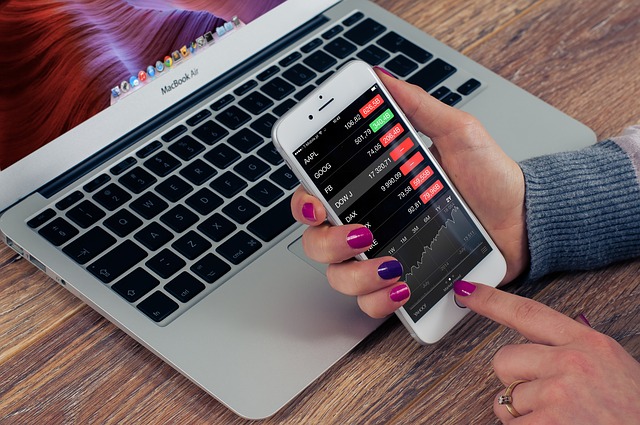
Here's the irony when it comes to phones, tablets and other wireless devices: they're less likely to be hacked, and more likely to compromise your sensitive information.
Why? Well... they're easier to lose.
Good luck losing a desktop computer. Besides the fact that we tend to leave those at home, you're going to remember where you put that thing after you break your back lugging it around, and it's not going to be easy for someone to snatch it up off of your desk when you're not looking.
Smartphones and tablets, on the other hand, wind up causing leaks all the time. It's probably safe to say that more leaks come from lost phones and devices than from actual hacking. That's not to say that hacking and malware aren't a threat; a wireless device's relatively resistant nature to cyber-threats does not make these devices any less high-risk than your office network or home computer.
Why devices seem less vulnerable
- Devices haven't been around as long as laptops and desktops, so there are fewer viruses and malware families aimed specifically at mobile operating systems.
- That doesn't mean attackers aren't catching up; vulnerabilities are regularly discovered and patched on popular device platforms.
The general shift in computing is away from the keyboard and monitor and toward the device that fits in a pocket or purse. More people are using phones and tablets, and that broader install base draws attention from attackers over time.
For businesses that rely on connected hardware, it can help to evaluate your broader risk picture and controls, including third-party reviews and audits such as Security Audit Insurance where appropriate.
Right now, many phone and tablet threats are limited compared with traditional PCs mainly because there are fewer active threats. That advantage is shrinking as attackers adapt, so device users should assume risk is real and growing.
There are antivirus and security apps for most phones, but these vary in quality. Because developers are still refining mobile security and attackers evolve quickly, it's often down to the user to protect data: use a strong device passcode or biometric lock, enable automatic updates, set up remote wipe and backups, and avoid storing unencrypted sensitive credentials on a device.
If you manage or manufacture electronic components, consider how coverage for devices fits your operations; options that touch on manufacturing or component risks include specialized policies such as Semiconductors and Related Devices Insurance.
If you need coverage or guidance, talk to an agent who can review options that match your specific exposure.
Frequently Asked Questions
How likely is it that my phone will be hacked?
While targeted hacks are less common than theft or loss, mobile malware and phishing are real threats; keeping software updated and avoiding suspicious apps reduces risk.
What should I do if I lose my device?
Use another device to change important passwords, enable remote wipe if available, and notify any services that may be affected.
Are mobile antivirus apps effective?
Some provide useful protection, but their effectiveness varies; combine them with strong passwords, updates, and safe behavior.
Can my employer require device security measures?
Yes—many employers require passcodes, encryption, and mobile device management to protect company data on personal or corporate devices.