Overview
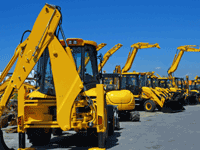
Purchasing new construction equipment is a significant capital decision that affects operations, depreciation, and insurance needs. Online product pages and virtual tours can help you compare features, sizes, and prices quickly, but they do not replace an insurance review before you finalize the purchase.
Before you sign a purchase order, consider the insurance implications: replacement cost, liability exposure, transportation, and specialized coverage for attachments or rented use. A short review now can avoid coverage gaps and unexpected premium increases later.
Key takeaways
- Evaluate insurance costs and coverage options before finalizing an equipment purchase.
- High-value or specialized equipment may require customized insurance or have limited market capacity.
- Talk with an insurance professional early to compare the total cost of ownership, including premiums.
How it works
An insurance review starts with basic information: equipment type, make and model, value, intended use, storage, and transportation plans. Carriers use that information to determine insurability, rating factors, and any exclusions that may apply.
For certain industries, carriers offer specialized forms and endorsements tailored to the equipment and operations. For example, you can review examples and policy options on Sawmill/Woodyard/Lumberyard Equipment Insurance to see how coverage can vary by operation and equipment type.
An agent can obtain quotes from multiple markets and explain differences in deductible structures, agreed-value vs. actual cash value settlements, and coverage for attachments or hired/leased equipment. If your purchase decision includes office or administrative equipment tied to the operation, see Office Equipment Insurance for relevant examples.
What it may cover (and what it may not)
Typical equipment insurance coverage may include physical damage (collision, theft, fire), transit coverage, and limited liability related to equipment operation. Endorsements can extend coverage to rented or leased equipment and to additional insureds such as lenders or contractors.
- What it may cover: replacement cost or actual cash value, transit coverage, rented/leased equipment, and coverage for attached tools and accessories.
- What it may not cover: wear and tear, mechanical breakdown unless specifically endorsed, unapproved modifications, and certain high-risk uses without prior approval.
Common mistakes to avoid
One common error is assuming new equipment is automatically covered under an existing policy; limits and causes of loss may differ for owned equipment versus scheduled items. Verify whether your current policy automatically covers new acquisitions and for how long.
Another mistake is overlooking transportation risks. Equipment often sustains damage while being moved between sites, so confirm whether transit coverage is included or requires a separate endorsement.
Finally, failing to notify lienholders or arrange for agreed-value coverage when required by a lender can cause claims disputes. Clarify financing requirements with your insurer before purchase.
Questions to ask an agent
- How will adding this equipment affect my premiums and deductibles?
- Does the policy provide agreed-value settlement or actual cash value for this type of equipment?
- Is transit coverage and hired/leased equipment coverage included or available as an endorsement?
- Are there coverage limits or exclusions for attachments, aftermarket modifications, or special uses?
- Will the insurer add lenders or other parties as additional insureds or loss payees if required?
Next steps
If you are comparing two or more pieces of equipment, ask your insurance advisor to estimate the insurance cost for each option before you decide. These estimates can be a meaningful input to the total cost of ownership.
Contact your broker early in the buying process so they can check market capacity, possible endorsements, and any documentation your lender may require. When you are ready to get a formal review or quotes, talk to an agent.
Frequently Asked Questions
Will my existing policy automatically cover a newly purchased piece of equipment?
Some policies provide limited automatic coverage for new acquisitions for a short period, but you should notify your agent promptly to ensure full and correct coverage.
Do insurance policies cover damage during transport between job sites?
Transit coverage is sometimes included, but carriers may require a specific endorsement for full protection during transport; verify this before moving high-value equipment.
Can I insure attachments and aftermarket parts?
Attachments and aftermarket parts are often insurable but may require scheduling or specific endorsements to ensure they are covered at full value.
What happens if the insurer declines coverage for a particular piece of equipment?
If standard markets decline, the agent can often seek specialty markets or advise on risk mitigation steps to improve insurability.