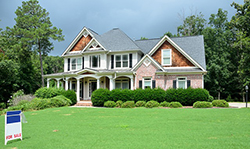
It’s become increasingly difficult to sell homes. Buyers often decide whether to buy within the first few minutes of arriving, so curb appeal can make or break a sale. Fortunately, improving your home’s curb appeal is usually simple and inexpensive.
One of the first things potential buyers notice is the landscaping. Poor landscaping can suggest a property has not been well maintained, while well-designed beds and tidy lawns create a welcoming first impression. You don't need to spend a lot to tidy your yard: remove clutter, trim trees and bushes, and add a few well-placed flowerbeds. If you hire professionals, consider insurance and liability issues for service providers by reviewing Lawn Care and Landscaping Services Insurance: Risks and Coverage.
Fenced yards can be a selling point, but sagging fences or chipping paint can push buyers away. When assessing your fence, view it objectively from the street as a buyer would. Severely damaged fencing may be better removed, but most fences can be fixed with a coat of paint or quick repairs.
Walkways are another area that can be improved with little time or money. Replace or re-seat loose stones, trim borders, and fill visible cracks with builder’s sand. Remove or replace badly damaged paths with inexpensive alternatives. If you’re sourcing materials or hiring local suppliers for repairs, check coverage information for vendors such as Lumberyards insurance.
Lighting is often overlooked but can dramatically improve curb appeal when used correctly. Proper landscape lighting highlights positive features and downplays less attractive areas. Solar lights are an affordable, eco-friendly option that appeals to many buyers. Place lights near garden beds and ensure walkways and the entryway are well illuminated.
A fresh coat of exterior paint can have a large impact on curb appeal. Choose warm, neutral colors to create a relaxing impression, and check any homeowners association rules before changing your home's color scheme.
An attractive exterior draws buyers to your front door while a neglected yard can send them away. Small, inexpensive improvements often yield a strong return. If you want tailored guidance on which updates to prioritize, talk to an agent.
Frequently Asked Questions
How much should I spend on curb appeal before listing?
Focus on low-cost, high-impact items like trimming, weeding, cleaning, and a fresh coat of paint; small investments often improve buyer perception significantly.
Will new landscaping really affect a sale?
Yes—well-designed, maintained landscaping creates a positive first impression that can encourage buyers to look inside the home.
Is exterior lighting worth the cost?
Yes; lighting improves safety and highlights attractive features, and modest solar or low-voltage options can be budget-friendly.
Should I repair or remove a damaged fence?
Evaluate the fence from a buyer's viewpoint: repair if feasible, but remove it if it’s severely damaged and detracts from the property’s appearance.