In any industry, there will always be certain costs associated with doing business. However, construction firms should never consider construction deficits as part of these unavoidable costs. Construction deficits are an ongoing problem in the construction industry, but they are not unsolvable.
No problem can be solved without understanding why it is occurring. Three of the main contributing factors are described below.
Poor site selection
Many contractors, especially in urban areas, have witnessed rapid growth claim the most desirable sites. That leaves contractors choosing from what's left and sometimes selecting sites that are not optimal for the planned construction.
Poor soil analysis
An adequate soil analysis should include collecting and testing soil samples for sinkholes, sandy deposits, and compaction. The purpose of soil analysis is to verify the soil can support the expected construction loads; skipping these checks opens firms to both performance problems and legal exposure.
Defects
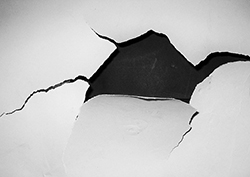
Structural and material defects are major contributors to deficits. For example, an improperly set foundation can allow the building weight to be unsupported and make walls more likely to crack, and cutting corners on materials can lead to long-term failures.
The above factors are often the basis for construction lawsuits alleging negligence. Legally, negligence is a failure to use reasonable care or to meet the recognized standard of care. For contractors, reasonable care means building at the performance level expected for the work and doing so professionally.
Taking reasonable care sounds straightforward, but pressure to finish faster and cheaper can push teams to skip vital checks, use inferior materials, or hire lower-cost subcontractors. Decisions to use rented equipment or low-cost rentals can also introduce additional risks; see Heavy construction equipment rental, nec (Class Code: 735399) for more on those exposures.
Even with a General Contractors Liability policy in place, contractors should not dismiss negligent-claim risks. Insurers are narrowing coverage with exclusions for items such as mold, multi-layered wall systems, and earth movement, and delays between a defect and resulting damage can complicate coverage. Contractors building new projects may also want to evaluate specific coverages; for example, Builders Risk for New Commercial Construction addresses different exposures than general liability.
To reduce legal and financial risk, set clear standards before work begins and ensure everyone involved understands them. Use a quality-control system throughout the project to continuously monitor workmanship, enforce standards, and correct defects promptly.
Handle defects as soon as they are discovered rather than allowing them to escalate into lawsuits. From a legal standpoint, being able to show a formal quality-control program was in place is also beneficial if a claim arises.
Frequently Asked Questions
What are the most common causes of construction deficits?
Poor site selection, inadequate soil analysis, and structural or material defects are among the most common causes.
Will general liability insurance always cover construction defects?
Not always; general liability may cover certain physical damage, but insurers often add exclusions and coverage can be limited by delays between defect and damage.
How can a contractor lower the chance of a negligence claim?
Establish clear standards, perform thorough site and soil investigations, use appropriate materials, and maintain a documented quality-control program.
What should I do if I find a defect on a project?
Address and document the defect promptly, correct or mitigate damage, and follow your quality-control and insurance-reporting procedures.