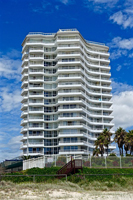
Overview
Running a rental business brings its own risks and responsibilities. Habitational insurance blends elements of homeowner and commercial liability coverage to protect property owners who rent to tenants, whether in single-family rentals, multiunit buildings, or condominium communities.
Owners are responsible for the building, tenants, visitors and any employees hired to maintain the property. That responsibility extends beyond typical homeowner exposures to long-term tenant risks, loss of rental income, and liability claims arising from habitability issues.
For more detail on core habitational liability concepts, see apartment and condominium complexes and related considerations in how coverage works for rental properties.
Key takeaways
- Habitational insurance covers both property damage and liability exposures specific to rental operations.
- Policies can include additional protections—such as loss of rental income, tenant liability, and directors/officers for associations—that standard homeowner policies exclude.
- Even small-scale landlords benefit from habitational coverage because risks scale with the number of tenants and common areas.
How it works
Habitational policies are written to address the dual nature of rental operations: the physical property and the business activity of leasing units. Coverage forms vary by insurer and by the size and type of the dwelling.
When evaluating policies, review limits, exclusions, and endorsements carefully so you know whether routine maintenance issues, tenant-caused damage, or environmental exposures are included. For a general explanation of habitational liability, see What Is Habitational Liability Insurance?
What it may cover (and what it may not)
- Typical coverages: building and structure damage, liability for injuries, legal defense costs, and personal property of the landlord used in the business.
- Additional options: loss of rental income, damage to outdoor signage, accounts receivable protection, and directors/officers liability for associations.
- Common exclusions: tenant-owned personal property, intentional acts by the insured, standard wear and tear, and some environmental contamination without a specific endorsement.
- Specialized coverages such as environmental impairment liability are available for properties with known contamination risks; learn more about tailored environmental protections Habitational Environmental (Environmental Impairment Liability).
Common mistakes to avoid
Assuming a homeowner policy will fully protect a rental property is a frequent error; standard homeowner forms often exclude business-related exposures such as tenants and paid staff.
Delaying maintenance or failing to document repairs can increase liability exposure and complicate claims. Regular inspections and timely remediation of hazards (mold, faulty wiring, or stairway hazards) reduce both risk and potential claim costs.
Failing to review policy endorsements and limits annually can leave coverage gaps as buildings, tenant counts, or operations change.
Questions to ask an agent
- What specific tenant-related liabilities are excluded or limited under this policy?
- Does the policy cover loss of rental income and under what conditions?
- Are there environmental or mold-related endorsements available for this property?
- How are common areas and association director/officer exposures handled for condo or multiunit buildings? For coverage focused on larger buildings, see Apartment Buildings Habitational Insurance.
Next steps
Inventory your exposures: number of units, common areas, tenant types, and any on-site services or staff. Use that inventory to comparison-shop coverage and endorsements that address your specific risks.
If you need personalized guidance or want to review coverage options, talk to an agent who understands habitational risks and can recommend appropriate limits and endorsements.
Frequently Asked Questions
Who should consider habitational insurance?
Anyone who rents property—whether a single-family home, a duplex, or a large apartment building—should evaluate habitational coverage to protect against tenant and business exposures not covered by a homeowner policy.
Does habitational insurance cover tenant belongings?
Generally no; habitational policies usually cover the landlord’s property and liability, while tenants are expected to carry renters insurance for their own belongings.
Can I add loss of rental income to my policy?
Yes, many habitational policies offer endorsements for loss of rental income when damage from a covered peril prevents renting units.
Is mold damage typically covered?
Mold coverage varies widely; some policies exclude it or limit payment unless you buy a specific endorsement for environmental hazards.
How often should I review my habitational policy?
Review your policy annually and after major changes—such as renovations, increased occupancy, or adding staff—to ensure coverage limits and endorsements remain appropriate.