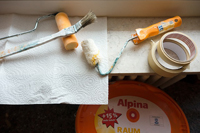
Something many a landlord has pondered: do you need habitational insurance if you currently have no renters living in your apartment or condominium complex? If you are doing renovations or simply holding the property empty until you start leasing, is habitational coverage required, or will another policy protect the property until tenants arrive?
Habitational policies primarily cover landlord liability when tenants or their guests are injured or suffer damages on the premises, so that specific protection is not usually necessary for a vacant complex.
The short answer: habitational insurance is generally required only once you are actively renting to people, but you should have it in place before tenants move in.
Until you begin leasing and reporting rental income, an apartment complex functions much like a very large house for insurance purposes. You can insure a vacant complex with options such as general liability, property insurance and Vacant Homes Insurance.
The real question is whether switching policies or maintaining multiple coverages is worth the effort and cost for a short vacancy period.
It is uncommon to keep a complex vacant for long because maintenance and carrying costs add up quickly. If renovations finish on the 7th, you might only need a few weeks before habitational coverage is required, depending on your insurer and leasing timeline.
Ultimately, decide whether you are saving enough to justify creating a separate insurance package and potentially being without habitational coverage for any period.
If you are building a complex from the ground up, you generally do not need habitational insurance until you are finishing the building and preparing to lease; see Apartment Buildings Habitational Insurance for more on that process.
If you're unsure how habitational coverage differs from general liability or property policies, review What Is Habitational Liability Insurance?. You can also read the Habitational Liability Insurance Guide for a focused overview before you make changes to your current policies.
So no, you probably don't strictly need habitational insurance while units are empty, but take a moment to consider timing and risk before canceling coverage.
If you still have questions or want help comparing options, talk to an agent.
Frequently Asked Questions
Do I need insurance while my units are vacant?
You should maintain some form of coverage—such as property or vacant-dwelling insurance—because standard habitational policies may not apply once a unit is empty.
When should I switch to a habitational policy?
Switch to habitational coverage before you begin leasing units and accepting tenants to ensure liability protection is active when people move in.
Does vacant property insurance cover vandalism and theft?
Vacant property policies often include limited protection for vandalism and theft, but coverage varies by insurer and may have exclusions for prolonged vacancy.
Can I pause habitational insurance during short renovations?
For brief repairs or renovations, it may be simpler to keep existing coverage and confirm that your policy covers construction-related risks rather than canceling or changing policies.