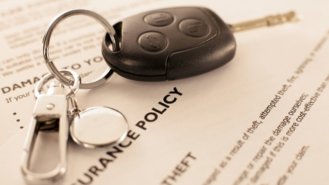
 Automobile accidents are the number one cause of liability claims in business. Automobile-related claims, especially those involving drivers under the influence of alcohol and youthful operators, are often the most devastating to families.
Every risk manager and fleet manager needs to check drivers’ records frequently.
Quarterly is not too frequent.
Sounds overly intrusive or expensive? Consider that good driving records not only reflect good driving habits; they also reflect vigilance in maintaining those habits and can lower long-term costs. See Good Driver Rates (Auto Insurance) for related coverage information.
Fleet managers must view on-time deliveries and vehicle upkeep as major issues. For fleets that handle shipments, review Motor Freight Transportation (Cargo) Insurance for considerations related to cargo and transportation operations.
Risk managers view safety and long-term costs as major metrics.
Quality driver management and the reinforcement of vigilant, excellent driving habits support both sets of goals.
Set driving record standards for moving violations and accidents. Limit drivers to a maximum number of points, moving violations, and at-fault accidents, and be firm about intolerance for lesser histories.
Assign some intervention tactic for any moving violation or accident, even if not-at-fault. The fleet manager or risk manager can debrief the driver on the circumstances and missed avoidance measures, and then assign appropriate training.
Emphasize the importance of excellent habits and vigilant execution of these habits. For policies that address vehicle parts and maintenance exposure, see Motor Vehicle Supplies and New Parts Insurance.
The more touchy subject is checking driving records for spouses or children of employees who may access the vehicle, with or without permission.
In closely held corporations or partnerships, do not hesitate to perform this task. Driving while intoxicated and youthful drivers are major liability risks for families.
Do you want your choice of partner dependent on your current partner's sixteen year-old child's driving? For closely held companies, this scenario is real.
The child speeds through a red light and badly injures several people. The claim exceeds the family coverage and the business may become the next in line to satisfy damages, which can lead to liquidation of a partner’s share or other severe business consequences.
For a public company, personal automobile claims can lead to wage garnishment or other remedies; but a company vehicle can expose broader company assets.
Banning family members or unauthorized usage is one answer, but teens will be teens. Check driving records and suggest interventions for family members before bad habits lead to disaster, or restrict car use to business only by keeping vehicles on the business campus or removing privileges from at-risk employees.
Frequently Asked Questions
How often should driving records be checked?
Quarterly checks are a reasonable baseline for many organizations, with more frequent reviews for high-risk drivers or new employees.
Should I check the driving records of family members who may use a company car?
Yes; if family members may access the vehicle, especially in small or closely held businesses, reviewing their records and setting clear usage rules is prudent.
What should I do after an employee has a moving violation?
Debrief the driver to understand the incident, assign targeted training or corrective actions, and monitor for repeat behavior before escalating discipline.