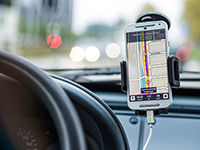
In your vehicle, it's easy to feel like you're secluded from everyone else on the road. Your vehicle is one of many on the road, though, so prioritize safety and follow common-sense etiquette whenever you drive.
Obey the Rules of the Road
Every rule of the road applies to you: obey the speed limit and all stop, yield and merge signs. Your schedule is never more important than safety.
Be Considerate
You share the road with other drivers, bicyclists and pedestrians, so be courteous. Give others the right of way when required, let drivers pass if they need to, and yield to pedestrians at crosswalks.
If you teach or take formal instruction, consider coverage for your operation like Driving School Insurance.
In some areas you may also encounter slow or unusual vehicles; for related concerns see Carriage Rides Insurance.
Take Turns
When lanes merge or traffic slows for an incident, take turns merging. Letting another driver go ahead is better than forcing a risky maneuver that could cause a crash.
Turn on Your Headlights
Use your headlights to see clearly at night and during poor weather. Dim your high beams when another car approaches and never flash lights to intimidate another driver.
Use Your Horn Sparingly
The horn is meant to alert others to danger, not to express frustration. Honk briefly when necessary, and avoid prolonged or aggressive honking.
When it's appropriate to lightly beep your horn
- The light turns green and the driver in front of you is distracted.
- It is the other driver's turn at the intersection.
- Another driver is about to cut you off because you're in their blind spot.
Do not use your horn to
- Scold drivers who are speeding or driving poorly.
- Vent personal frustrations or road rage.
Respect Emergency Vehicles
When you see flashing lights from an ambulance, fire truck or police car, slow down and pull to the right when safe. Wait for the emergency vehicle to pass before merging back into traffic.
Pull Off the Road if You're in a Fender Bender
If you have a minor collision, move your vehicle safely out of traffic before stopping to inspect damage and exchange information. Staying in the roadway can create additional hazards.
Report Emergencies
If you pass a vehicle with its emergency lights on and you can safely assist, stop and offer help or call 911 to report the situation.
Good etiquette goes a long way toward keeping everyone safer on the road. Share the road, remain calm and use common courtesy as you drive, and if you need professional help, you can talk to an agent.
Frequently Asked Questions
When should I move my car after a minor collision?
If it is safe and the car is operable, move it out of traffic to a safe spot to exchange information and assess damage.
Is it illegal to use my horn in anger?
Laws vary by jurisdiction, but using the horn aggressively or to harass other drivers is unsafe and may be prohibited.
How should I respond when an emergency vehicle approaches?
Slow down, signal, and move to the right edge of the road until the emergency vehicle passes and it is safe to rejoin traffic.
What should I do if I see a stranded driver at the side of the road?
If you can safely offer assistance, stop; otherwise call emergency services so trained responders can help.