The majority of accidents in your workplace may stem from slips, trips and falls. In fact, slips, trips and falls cause one in four reported workplace injuries, 15 percent of workplace accidental deaths and 65 percent of lost work days.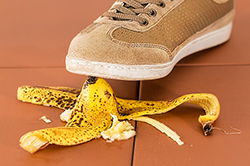
Employers in retail or property management should review Strip Centers Insurance for related liability considerations.
Understand Slip, Trip and Fall Hazards
In general, slips, trips and falls occur because of traction loss between shoes and the floor’s surface or when an employee accidentally comes in contact with an object. A variety of conditions could cause slips, trips and falls this winter, including:
- Surfaces covered with ice, frost, snow, hail or wet leaves
- Wet, greasy or freshly polished floors
- Transitions between floor types
- Sloped walking surfaces
- Loose or missing flooring
- Damaged or irregular steps
- Missing or loose handrails
- Wet, greasy or oily shoe soles
- Clutter
- Employee clumsiness or distractions
- Collisions with furniture or other sharp edges
Companies that move goods or operate storage facilities should consider Moving and Storage Program (Local) for coverage options related to slips, trips and falls during handling and storage.
Eight Steps to a Safer Work Environment
Address challenges and create a safer work environment when you take these eight steps.
-
Repair flooring and other surfaces.
Wrinkled carpeting, missing floor tiles or uneven sidewalks can prompt slips, trips and falls. Inspect your facility, list problem areas and make needed repairs.
-
Remove spills.
Wet surfaces cause slips and falls, so remove spills as soon as possible. Utilize wet floor signs as needed, too.
-
Utilize slip-proof flooring options.
Depending on your company’s operations, consider installing slip-proof flooring, mats or nonslip adhesive strips. These options prevent slips, absorb moisture or warn employees in areas where slips, trips and falls are likely to occur.
-
Attend to outdoor areas.
Parking lots, sidewalks and other outdoor areas may become slippery because of inclement weather conditions. Remove snow and ice promptly, and treat these areas to ensure they remain safe all day.
-
Clear clutter.
A clean workplace can decrease falls and trips. Remove unnecessary clutter, including boxes and cords, from walkways, hallways and other areas. Then assign one person or a team in each department to keep the workspaces neat and tidy.
-
Improve lighting.
Proper lighting throughout your workplace improves safety. Install adequate lighting in hallways, dock areas, stairways, ramps and entrances, and replace burnt-out bulbs or broken fixtures.
-
Wear proper shoes.
Non-slip shoes improve traction. Advise employees to wear proper shoes and keep the laces tied as they work.
-
Pay attention.
Ask your employees to stay alert and take their time as they walk. They should also report any potential hazards as they promote safety throughout your company.
Create a safe workplace environment when you take these eight steps. These steps prevent slips, trips and falls. If you want to review your insurance needs or coverage options, talk to an agent.
Frequently Asked Questions
What are the most common causes of workplace slips and falls?
Common causes include wet or icy surfaces, uneven flooring, poor lighting, cluttered walkways and improper footwear.
How quickly should spills and outdoor hazards be addressed?
Spills and outdoor hazards should be addressed immediately to reduce the risk of an incident; use warning signs until the area is cleaned or treated.
Are non-slip shoes enough to prevent falls?
Non-slip shoes help improve traction but are most effective when combined with hazard controls like proper flooring, lighting and housekeeping.
How can employers encourage employees to report hazards?
Establish a clear reporting process, provide training on hazard recognition, and reinforce the importance of reporting as part of workplace safety culture.