Overview
Environmental testing laboratories analyze soil, water, petroleum, sludge and other samples to support remediation, compliance, research, and business decisions.
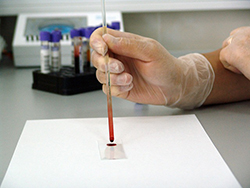 Because laboratory work can involve complex procedures and judgment calls, mistakes or oversights can happen even with experienced staff. Professional liability insurance for environmental testing helps protect a lab or consultant when an error or omission leads to a client loss or a third-party claim.
Key takeaways
- Professional liability covers claims from errors, omissions, or negligent professional advice.
- Coverage typically pays legal defense costs and settlements, separate from general liability.
- Not every policy is the same—limits, exclusions, and retroactive dates matter.
How it works
Professional liability — often called errors & omissions (E&O) — responds when a client alleges that a laboratory report, sampling method, or interpretation caused financial harm. The insurer will typically appoint counsel, manage the defense, and pay covered settlements up to the policy limit.
Policies can be written for specific services or broader lab practices. To compare options and wording, review sample policy language and consult with a broker who understands environmental exposures. For coverage options tailored to testing operations, consider resources like Environmental Testing Labs Professional Liability Insurance.
What it may cover (and what it may not)
- Typical covered items: inaccurate test results, incorrect reporting, negligent consulting advice, and failure to detect contaminants when professional standards apply.
- Common exclusions: intentional wrongdoing, bodily injury claims covered by general liability, certain pollution liability without a separate environmental policy, and contractual liabilities that exceed professional scope.
- Some policies exclude prior acts unless a retroactive date is provided, so confirm when coverage begins for past work.
Labs often combine professional liability with environmental liability or pollution policies to address physical cleanup costs that professional liability alone may not cover.
Common mistakes to avoid
- Assuming all errors are covered—read exclusions, endorsements, and policy definitions carefully.
- Failing to confirm retroactive dates or prior acts coverage when acquiring a new policy.
- Using overly broad or poorly worded contracts that shift unlimited liability onto the lab.
- Not documenting quality-control procedures, chain-of-custody records, and peer review steps that support the defense if a claim arises.
Questions to ask an agent
What are the policy limits, and do they include defense costs inside or outside the limit?
Is there a retroactive date that covers past work, and are prior acts included?
Are pollution, cleanup, or third-party property damage exposures excluded or handled under a separate environmental liability policy?
Can you provide examples or references for similar clients, or point to industry-specific forms such as those for testing or analytical labs?
Next steps
Start by inventorying the services you perform, sample types you handle, and any contracts that impose indemnity obligations. Share that information with an independent agent who can compare wording and limits across markets.
For broader laboratory program options, you can review offerings like Environmental Laboratories Insurance and specialized forms such as Analytical Testing Labs Professional Liability Insurance to see how different products address testing exposures.
If you want to convert a coverage conversation into a quote or talk through specific limits and endorsements, you can talk to an agent who handles environmental testing risks.
Frequently Asked Questions
What is the difference between professional liability and general liability?
Professional liability covers alleged errors or omissions in professional services, while general liability covers bodily injury and property damage from operations.
Will professional liability pay my legal fees if a client sues over test results?
Most professional liability policies cover legal defense and, if covered, settlements or judgments up to the policy limit, but specific terms vary by policy.
Do I need separate pollution or environmental liability insurance?
Often yes; cleanup costs and third-party property damage from pollution may be excluded from standard professional policies and require a separate environmental liability policy.
How should I document work to reduce claim risk?
Maintain clear chain-of-custody records, quality-control logs, standard operating procedures, and formal reporting templates to support your work if challenged.