Japan's earthquake and tsunami should be a loud and clear wake-up call for those unprepared for a natural disaster. Whether it's an earthquake, tornado, fire, hurricane, flood, or a deliberate act, history shows that no one is immune to being part of a disastrous event.
Knowing and applying disaster-preparedness information can be lifesaving. Part of being prepared is learning how to protect your financial assets as well as yourself. For practical steps on protecting money and documents, see Emergency Preparedness and Financial Security.
It helps to visualize a few worst-case scenarios so you can determine which documents and items to protect. What would you take if warned that your home would be destroyed by a tornado in minutes? What if your home remained standing after a hurricane but you had no electricity, phone service, or transportation?
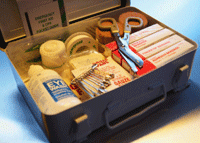
Emergency "grab-and-go" checklist
- Put enough cash inside your emergency bag to last your entire family at least three days. Don't dip into it before a disaster, and don't count on an ATM or bank for cash if power is out or roads are impassable.
- Insurance cards, driver's licenses, passports, and credit cards will likely be needed often and are best kept together (wallet or purse) in an easily accessible place.
- Keep copies of powers of attorney and medical directives for family members in your emergency bag.
- Carry your cell phone, tablet, or smartphone and include chargers. Place them in an accessible area and charge them nightly. If you may have service but no electricity, consider adding a solar or hand-crank battery charger to your bag.
- Store contact information and account numbers for all insurance policies on one of the electronic devices you plan to carry. Because you might not have power or service following a disaster, also keep a handwritten list in your emergency bag. List regular bill obligations and account details the same way. Protect the electronic list with a strong password and consider scrambling account numbers or passwords on the handwritten list.
- Let your employer know you're safe and determine when you need to report to work. Ask whether your employer has an emergency preparedness program and how to get instructions after a disaster.
- Quickly grab safe-deposit box keys, home-safe keys, and post-office box keys when you leave.
Other actions to consider
- Store important financial documents, such as insurance policies, deeds, and wills, in a safe-deposit box or in a water- and fire-proof home safe.
- Consider how your income will be affected during and after a disaster. Those living on annuities, government benefits, or pensions may have steady income, while self-employed or hourly workers could need emergency cash or credit for days, weeks, or longer.
- Keep some emergency funds available on credit cards if you don't have a cash emergency fund.
- Review your insurance policies to make sure you're covered for likely disasters; if you're unsure, review with an insurance agent.
- Make it a habit to never park with less than a quarter tank of gas. It could be days before fuel is available; a fuller tank gives you more options.
Rotate cash and update document copies regularly so your emergency bag stays current with names, account numbers, and emergency contacts. Periodically test portable chargers and replace expired cards or papers.
Don't wait for a news alert to get prepared. Many disasters happen with little or no warning. Being ready to protect yourself and your finances shouldn't be a hard-learned lesson. For additional preparedness resources, see Preparedness for Natural Disasters.
Frequently Asked Questions
What documents should I prioritize if I must evacuate quickly?
Prioritize IDs, passports, insurance cards, bank and investment account information, powers of attorney, and medical directives.
How much cash should I keep in my emergency bag?
Keep enough cash to cover at least three days for your household, and more if you live in a remote area or have special needs.
Is it safe to store account numbers and passwords in my emergency bag?
Store account numbers securely: keep an electronic list protected by a strong password and a separate handwritten list with scrambled numbers or partial details.
Should I keep insurance policies at home or in a safe-deposit box?
Important documents can be kept in a water- and fire-proof home safe or a safe-deposit box; keep copies with you when evacuating.
Who should I contact first after a disaster?
Contact family first, then your employer to report safety and get instructions; contact your insurer when practical to begin claims.