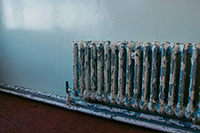
Cooler temperatures have arrived, and it's time to turn on your heater. Be safe and protect your family and home with these home heater safety tips.
Use Only Approved Heating Sources
Certain heating sources should never be used to keep your family and home warm, including the stove or candles. Your risk of carbon monoxide poisoning or fire increases when you use a non-approved heating source.
Install Heaters Properly
It's easy to buy a stationary space heater, fireplace or wood stove, but those heating sources should be professionally installed to ensure they conform to the manufacturer’s instructions and local codes. Invest the necessary time and money to ensure your family and home stay safe and warm.
Use the Right Fuel
Different types of heaters — fireplaces, space heaters or pellet stoves — use different fuels. Be sure you're using the right fuel for your heater by checking the instruction manual or the manufacturer's guidance.
Inspect and Clean Your Heater Annually
Before you turn your heater on for the season, hire a qualified professional to inspect and clean your chimney and heating equipment. If you operate a venue or public space, also review any special insurer requirements such as those for Theaters and Movies Insurance.
Turn Off the Heater
Fires can start and spread quickly if you leave a fireplace or space heater unattended. Always extinguish fireplaces properly and turn off space heaters before you leave the house or go to bed.
Keep Your Distance
Your furnace, fireplace, space heater or other home heater warms your home but is also a fire hazard. Keep anything flammable at least three feet away from your heater, including curtains, clothing, upholstery and wood.
Enforce a Kid-Free Zone
Implement and enforce a three-foot kid-free zone around the fireplace or space heater to protect children from burns and accidental contact with hot surfaces.
Use Smoke and Carbon Monoxide Detectors
Buy and install smoke and carbon monoxide detectors in your home and test them every month; replace batteries every six months. Detectors are a last line of defense if a heater malfunctions.
Update Your Home Insurance
As you prepare your heater for another season, make sure your home insurance is up-to-date so your home and possessions are covered in case of a heater accident. Homeowners who run a small business or venue may also want to review specialized coverage such as Community Theaters Insurance. If you need help, talk to your agent.
The cooler temperatures outside mean you're ready to turn on your home heater. Follow these tips as you stay safe.
Frequently Asked Questions
How often should I have my heater inspected?
Have a qualified professional inspect and clean your heater and chimney at least once a year before the heating season begins.
Can I leave a space heater on overnight?
No, you should turn off space heaters before going to bed or leaving the house to reduce fire risk.
How far should flammable items be from a heater?
Keep flammable objects at least three feet away from any heater, including furnaces, fireplaces and space heaters.
Do I need carbon monoxide detectors with gas or fuel-burning heaters?
Yes, install carbon monoxide detectors on every level of your home and test them monthly to detect leaks from gas or fuel-burning appliances.