You’re hosting a backyard picnic with your family when you see the storm clouds roll in. Because you know that one in five home fires starts because of lightning, you’re worried about what you’ll do if the storm gets worse. Utilize these tips as you keep your home and family safe from lightning.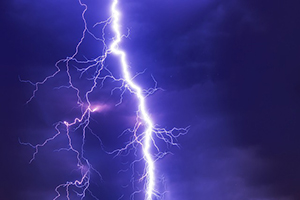
Follow the 30/30 Rule
After you see lightning, start counting. You should head inside if you hear thunder before you can count to 30. Likewise, stay inside and away from windows, the porch or concrete for at least 30 minutes after you hear the last thunderclap.
Unplug Electronics
Lightning strikes can cause power surges that damage your electronic equipment. Because nearby lightning strikes can jump across surge protectors, don’t rely solely on these protective measures. Unplug all your electronics as soon as possible to prevent electrocution and protect your devices.
Avoid Water
Don’t take a shower, wash your hands, wash dishes, or do laundry during a lightning storm. Water conducts electricity, and even if lightning strikes far away from your home, you could be injured or even killed if you touch water during a storm.
Stay Off the Phone
The metal in corded phone lines conducts lightning. Most families no longer have corded phones, but if you do, avoid using it during a lightning storm.
Secure Outside Doors and Shutter Windows
Shut and lock your outside doors, and secure window shutters or close the curtains, shades and blinds. While these protective measures don't specifically protect your family or home from lightning, realize that lightning storms often involve high wind. Take these steps to prevent damage to your home and protect your family from objects that may fly through openings.
Steps to Take Before a Lightning Storm
- Install lightning rods or a lightning protection system. Rods direct lightning away from your home and safely to the ground, preventing damage to your house. Discuss the best option for your home with a licensed contractor.
- Trim trees. Lightning can strike tall trees and cause damage. The branches could then fall off the tree, causing damage to your home and property.
- Purchase homeowners insurance. While these steps protect your home, you will want insurance coverage if lightning damages your home. With adequate insurance, you can file a claim and replace the damaged items or repair any physical damages.
Protect your home and family when you take these important steps before lightning strikes.
For more on planning and emergency measures for severe weather, see Storms, Lightning and Home Emergency Preparedness.
If you own a residence, review coverages such as 1-4 Family Dwellings Owner-Occupied Insurance to understand how claims for storm or lightning damage are handled.
If you have questions about specific insurance options, talk to an agent.
Frequently Asked Questions
What is the 30/30 rule and why does it matter?
The 30/30 rule means go indoors if you hear thunder within 30 seconds of seeing lightning and remain inside for 30 minutes after the last thunder. It reduces the risk of being struck by lightning.
Is it safe to use electronics during a storm if they are on surge protectors?
Surge protectors can reduce the risk of damage but are not foolproof for nearby strikes, so unplugging sensitive electronics is the safest option during a storm.
Should I avoid all water-related activities during lightning?
Yes. Water conducts electricity, so avoid showers, dishwashing, and other water contact during a lightning storm to reduce the risk of injury.