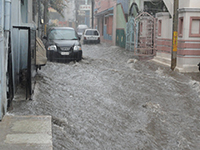
 When you’re in the market for a vehicle, you want to choose a reliable car or truck. Dealerships or private owners may inadvertently or purposefully try to sell you a vehicle that’s been recovered from a flood, so protect yourself by knowing the common signs of flood damage.
Perform a Visual Inspection
Car buyers of all experience levels can look for several visible signs that a vehicle has been flooded.
Dirt and Mud
Flooding can deposit dirt and mud throughout the vehicle. Check under the hood, inside the cabin, on seat tracks, in the glove compartment, and on the undercarriage for residual debris.
Carpets
Discolored or stained carpets and upholstery in the trunk or lower sections of the car may indicate the vehicle sat underwater. New carpeting or upholstery in an otherwise older car can also be a red flag.
Odors
If you smell a musty aroma when you sit in the car or run the air conditioning, the vehicle may have been exposed to floodwater. A strong scent of cleaning chemicals or air fresheners can indicate someone attempted to mask mold or mildew.
Water Lines
Visible water lines on the interior or exterior may mean the car sat in water. Inspect headlight lenses, reflectors, upholstery seams, and inside the trunk for residue or staining consistent with a water line.
Rust
Unpainted metal surfaces, exposed screws, and electrical connectors will rust quickly when exposed to water. Look closely throughout the vehicle for rust that appears inconsistent with the car’s age or mileage.
Drain Plugs
Owners sometimes remove rubber drain plugs from the bottoms of doors or the undercarriage to let floodwater escape. Check these locations to ensure drain plugs are present and undisturbed.
Hire a Certified Mechanic
A vehicle that flooded in one region can later be sold elsewhere with few visible signs, so have a trusted certified mechanic inspect the car before you buy it. The mechanic can check internal engine components and electrical systems for evidence of water damage and recommend repairs or further testing.
If you need insurance that covers specialized restoration work, consider reviewing options like Vehicle Restoration Insurance to understand how repair needs might affect coverage.
Check the Vehicle's History
Before purchasing, run a VIN check through available vehicle-history services to see reported flood claims or salvage titles. You can also search commercial vehicle history reports for additional details about previous damage and ownership.
Buy from a Reputable Seller
Whether you buy from a dealer or an individual, research the seller before signing a contract. Read online reviews and ask previous customers for honest feedback.
If you work with specialty sellers or restorers, you might find resources such as Antique Vehicle Repair Insurance helpful when evaluating sellers who handle older or restored vehicles.
Final checks
Use this checklist during any test drive and inspection to reduce the risk of buying a flooded vehicle. If you have insurance questions or want professional advice before you purchase, talk to your agent about potential coverage and vehicle history concerns.
Frequently Asked Questions
How can I quickly tell if a car was flooded?
Check for musty odors, water lines, discolored carpets, mud under the hood, and rust on unpainted metal; these are common indicators of past flooding.
Can a mechanic always detect flood damage?
A certified mechanic can find many signs of water damage, especially in the engine, electrical systems, and undercarriage, but some issues may only appear later.
Should I trust a cleaned or repainted interior?
Not necessarily; thorough cleaning or replacement of interior parts can hide flood damage, so pair visual checks with a mechanic’s inspection and a vehicle history report.
Will a flood-damaged vehicle appear on a VIN report?
Sometimes—reported flood claims, salvage titles, or insurance records can show up, but not all incidents are reported, so use multiple checks.
Is it risky to buy a car from out of state?
Yes, because a vehicle may have flooded in a different region and then be sold elsewhere; an inspection and history check are especially important for out-of-state purchases.