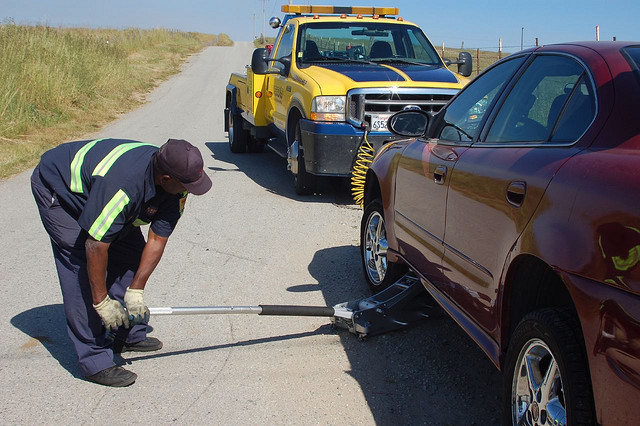
 A roadside breakdown can happen without warning. This guide explains clear, practical steps to stay safe, what to expect from roadside assistance, and how insurance-related services may help if your vehicle fails while you are driving.
Overview
When a vehicle becomes immobile on a busy road, the priority is protecting people first and property second. Simple precautions—moving your vehicle out of traffic, making yourself visible, and calling for reliable help—greatly reduce the risk of injury and secondary collisions.
Roadside assistance and certain insurance options can provide towing, battery jumps, fuel delivery, or temporary measures to get you moving again; see Roadside Service Insurance or Roadside Assistance Insurance for plan details and common services.
Key takeaways
- Move your vehicle off the roadway and into a safe, visible location if possible.
- Make yourself visible to other drivers with hazard lights, reflective devices, and a white marker in the window.
- Stay inside the vehicle on high-speed roads and wait for trained assistance.
- Use your phone or a roadside call box to summon help and, if available, contact your insurer or membership service.
How it works
After you stop safely, turn on hazard lights and, if you have them, set up reflective triangles or flares a short distance behind the vehicle to warn approaching traffic.
Call your roadside assistance provider or emergency services if anyone is hurt. For coverage details and service options that may apply to highway situations, consider reviewing resources about Highway and Street Insurance before an incident occurs.
What it may cover (and what it may not)
Roadside assistance plans commonly cover towing, battery jump-starts, fuel delivery, tire changes, and lockout services. These plans do not usually cover major repairs, long-term storage, or mechanical breakdowns unrelated to immediate roadside needs.
Some auto insurance products or optional endorsements can include or supplement roadside services; see details on specialized options such as Vehicle Restoration Insurance for what limited services or reimbursements a policy may offer in specific scenarios.
Common mistakes to avoid
Avoid stopping in active travel lanes; even partial obstruction can cause further crashes. Do not attempt complex repairs on the shoulder of a highway—moving traffic makes this dangerous.
Do not rely solely on improvised visibility signals at night; use your vehicle’s lights plus reflectors or a white cloth in the window to indicate you are stopped and need help.
Questions to ask an agent
When you contact your insurer or an assistance provider, clarify response times, towing distance limits, and whether the service covers you if the breakdown occurs far from home. Ask whether reimbursements are provided for emergency expenses, and whether a preferred repair network is used.
For guidance on record-keeping and maintenance that reduce breakdown risk, see Vehicle Management: MVRs, Maintenance, Buying, Safety, and Monetization.
Next steps
Prepare a small roadside kit with reflective triangles, a flashlight, a first-aid kit, and basic tools. Keep your insurance and assistance phone numbers easily accessible and save them in your phone.
Review your auto policy to confirm whether roadside assistance is included or available as an add-on, and if you need help arranging coverage, call your agent to discuss available options and any recommended add-ons.