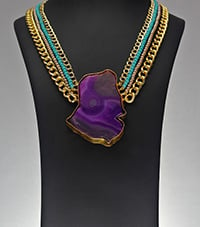
What do important documents, expensive jewelry and antique collectibles have in common? They're all valuables you store in your home. Instead of worrying if they'll be safe while you go on vacation or when contractors work on your home, protect them.
Rent a Bank Safe Deposit Box
For items that you don't access regularly, consider a bank safe deposit box. It's ideal for collectibles, photographs and coins, and your valuables will be protected from theft, fire, flood and other disasters when they're stored in the bank vault.
There are several drawbacks to this storage solution. One is accessibility — you can retrieve or inspect your valuables only during bank hours, and a box is typically sealed when you or the owner dies. The bank does not insure the contents; for details see Safe Deposit Box Depositors Valued Form.
Buy a Home Safe
Items you want to access regularly can be stored in a home safe. A safe in a closet, under a bed or another secure place can protect legal documents, passports, birth certificates, insurance policies and photos.
Select a small safe for jewelry, papers or coins and a larger safe for bulky or odd-shaped items like artwork, guns or furs. Some models include adjustable shelves for versatility, and locks can be key, combination, electronic or a mix.
Choosing a safe
- Theft and Vandalism
Purchase a safe with solid steel construction, pry-resistant doors and a bolt-down kit to reduce the risk of theft.
- Fire
Look for the Underwriters Laboratory (UL) symbol that shows your safe is fire-resistant, and be sure to latch and lock your safe so it performs as rated.
- Water
Select a safe with ETL verification for water protection. Waterproof safes allow only a few drops of water inside when submerged; water-resistant safes keep the interior dry when standing in several inches of water or when sprayed heavily.
Protecting your valuables should be a priority. Make a home inventory, photograph items and consider professional appraisals for high-value pieces. If you collect valuable items, consider specialized coverage such as Collectors Insurance: Protecting Rare and Valuable Items to ensure adequate protection.
If you own high-value jewelry, consider specialized coverage such as Jewelry and Fur Floaters (Inland Marine / Valuables Insurance).
Be sure everything you own is insured. To check coverage, ask your agent or review your policy and endorsements.
Frequently Asked Questions
Should I store my will or advance directives in a bank safe deposit box?
Storing a will in a safe deposit box can delay access because boxes are often sealed on the owner's death; consider keeping originals where trusted family or your attorney can access them.
Are items in a bank safe deposit box insured by the bank or FDIC?
No, banks and the FDIC do not insure the contents of safe deposit boxes; your homeowner's or renter's insurance may cover those items, possibly with limits or separate floaters.
What fire rating should I look for in a home safe?
Choose a safe with a UL fire-resistance rating appropriate for the documents or media you store — check the manufacturer's specifications for temperature and duration ratings.
How should I document collectibles for insurance?
Keep receipts, professional appraisals, descriptive records and dated photographs to support value and ownership when filing a claim.