Overview
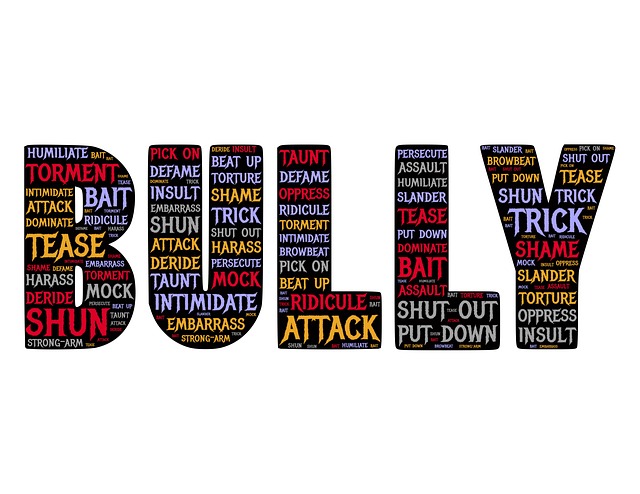
Bullies can appear in any workplace, and their behavior can erode morale, increase stress, and reduce productivity for the whole team.
This guide outlines practical, workplace-focused steps you can take to protect yourself, document incidents, and pursue resolution through coworkers, management, or Human Resources.
Key takeaways
- Keep interactions professional, document incidents with dates and details, and seek allies who can corroborate behavior.
- Use calm, clear "I" statements to set boundaries and avoid escalating confrontations.
- If behavior threatens safety or persists after reporting, involve HR and consider changing teams or employers if necessary.
How it works
Start by reviewing your interactions to ensure you are responding in a way that preserves your safety and professionalism rather than escalating conflict.
Document each incident: note dates, times, witnesses, exact words or actions, and any impact on your work. Good records make reports to HR or management clearer and more actionable.
Set clear boundaries using calm, assertive language such as, "I will not accept being spoken to that way," and avoid public confrontations that can lead to drama or retaliation.
Gather allies discreetly—trusted coworkers can help confirm patterns of behavior and may be willing to support you when you report the issue. For related resources on workplace safety and team dynamics, see Teamwork, Workplace Safety and Cybersecurity.
What it may cover (and what it may not)
These steps address day-to-day bullying behaviors like repeated insults, exclusion, micromanaging intended to intimidate, or undermining your work.
Some conduct may cross into harassment, discrimination, or threats of violence; those issues can require a more formal process and, in some cases, outside legal or law enforcement involvement.
Human Resources typically handles workplace conduct and safety concerns, but HR procedures vary by employer and may not guarantee the outcome you want; this is why documentation and witness support are important.
Common mistakes to avoid
- Responding in anger or publicly shaming the bully, which can escalate the situation and reflect poorly on you.
- Failing to document incidents, which makes it harder to demonstrate a pattern of behavior later.
- Isolating yourself instead of seeking allies or reporting to HR when appropriate.
- Assuming the bully will change without follow-up; persistent patterns often require formal intervention or changes in assignment.
Questions to ask an agent
- How can I document workplace incidents effectively while preserving professionalism?
- What company resources are available for conflict resolution and employee safety?
- When should I escalate a complaint to HR vs. contacting outside authorities?
Next steps
If the bully's actions affect your ability to work or create safety concerns, report the behavior to your manager or Human Resources with your documentation and any witness names.
Consider reviewing options such as moving to a different team or workspace if the employer cannot or will not resolve the issue; for information related to workplace systems and coverage, see Office Automation Insurance.
If you want assistance exploring workplace protections or discussing next steps, talk to an agent who can help you understand available resources.
Frequently Asked Questions
How should I document bullying incidents?
Record the date, time, location, what was said or done, and any witnesses; keep copies of related emails or messages.
When is it appropriate to involve Human Resources?
Report to HR after initial attempts to set boundaries fail, if the behavior repeats, or if you feel unsafe.
Can coworkers help when I'm being bullied?
Yes—trusted coworkers can offer emotional support, serve as witnesses, and help corroborate patterns of behavior.
What should I do if the bully threatens violence?
Report threats to management and HR immediately and contact law enforcement if you believe there is an imminent danger.