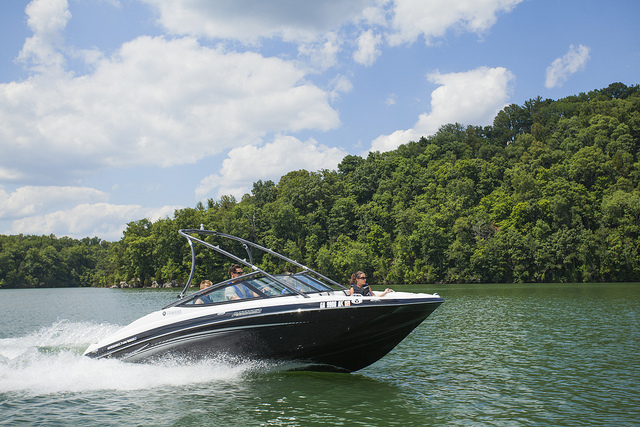
There are many hidden costs associated with owning a boat: dock fees, general maintenance, and winter storage, just to name a few. One expense that boat owners should never skimp on is purchasing the best available insurance policy for their watercraft.
Because buying a boat is a huge investment, owners should protect their boat with comprehensive insurance coverage. Plans are often based on the type and size of the boat.
Many Homeowners and Renters insurance policies provide limited coverage for property damage if the boat's engine is less than 25 horsepower or if it is a small sailboat, but without additional insurance, no liability coverage is included; for dedicated coverage, see Sailboat Insurance.
Owners of larger, more powerful boats and yachts will need to purchase a separate insurance policy for their boat. The insurer will consider the size and type of boat, its value, and where the boat sails when setting policy conditions and cost — see Watercraft and Boats Insurance for examples of separate watercraft policies.
Liability coverage typically includes
- Bodily injury to other persons
- Damage to other's property
- Legal expenses associated with non-consensual operation of the boat
- Medical costs for injuries to the owner and passenger
- Boat theft
Separate boat and watercraft insurance policies generally include loss and damage coverage to the boat's hull, machinery, furnishings, fittings, and permanently attached equipment such as navigation systems. Policyholders can choose liability limits that commonly range from $15,000 up to $300,000, and deductibles vary by coverage type.
Deductible costs for property damage are often around $250, and theft and medical deductibles commonly range between $500 and $1,000. Policies can be individualized to cover trailers, fishing gear kept aboard, and other accessories; ask whether the policy covers the boat while it is being towed.
Just as auto insurers offer discounts, watercraft policies may include premium reductions for certain factors. Insurers often favor diesel-powered engines because diesel fuel is more stable, and they also offer discounts for safety equipment such as U.S. Coast Guard–approved fire extinguishers and ship-to-shore radios.
Completing a boater safety course through organizations like the Coast Guard Auxiliary, the American Red Cross, or the U.S. Power Squadrons may lower premiums. Maintaining a clean boating record typically reduces rates over time, and bundling watercraft insurance with homeowners and auto policies can also save money.
A solid insurance policy gives boaters the peace of mind needed to set sail and enjoy the open water. If you want a quick estimate or to discuss coverage options, you can talk to an agent.
Frequently Asked Questions
Does my homeowners policy cover my boat?
Homeowners policies may offer limited coverage for small boats or low-horsepower engines, but they typically do not provide liability coverage for most watercraft incidents.
What determines my boat insurance premium?
Premiums are influenced by the boat's type, size, age, engine type, where it is used, the owner's boating record, and selected coverage limits and deductibles.
Can I add my trailer and fishing gear to my policy?
Yes. Most boat policies allow endorsements or optional coverages to include trailers, fishing equipment, and other accessories for additional premium.
Are there common discounts available?
Insurers often offer discounts for diesel engines, approved safety equipment, completed boater safety courses, a clean claims history, and policy bundling.