Overview
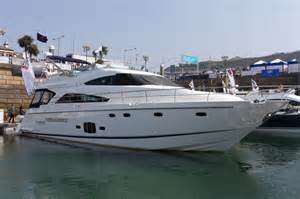
Buying a boat in the off-season can save money, but insurance is an important cost and coverage consideration before you complete the purchase.
Insurance options and requirements vary by boat type, value, age and intended use.
For general policy options and to compare coverages for standard recreational vessels, see Watercraft and Boats Insurance.
Key takeaways
- Auto insurance usually does not cover damage to or liability from your boat.
- Your homeowners or renters policy may offer limited coverage for small, low-value boats but not for larger or more powerful craft.
- Some insurers restrict coverage by boat type, age or use—verify insurability before you buy.
- Consider additional liability protection if standard policies leave gaps.
How it works
Boat insurance is a separate line of coverage that typically includes liability for bodily injury and property damage, plus optional physical damage coverage for collision, theft and comprehensive perils.
Insurers calculate premiums based on the boat's value, horsepower, age, where you keep it, and how you use it.
If you plan to buy a jet ski, wave runner or other personal watercraft, check specific product options such as Personal Watercraft (PWC) Insurance because those risks are underwritten differently than larger boats.
To compare specific coverages and endorsements, see Watercraft Coverages.
What it may cover (and what it may not)
Typical boat policies may cover liability, medical payments, uninsured/underinsured boater liability, and physical damage (called hull coverage).
Optional endorsements can insure personal property on board, trailer damage, and emergency towing and assistance.
Not all policies include towing or assistance by default, so review available add-ons like Towing Coverage for Watercraft when you compare quotes.
Common exclusions include damage from wear-and-tear, unseaworthiness not disclosed at sale, mechanical breakdowns without a separate endorsement, and commercial use unless specifically endorsed.
For larger or higher-value vessels, consider whether Boatowners and Yacht Insurance or specialized coverage is appropriate.
Common mistakes to avoid
Don’t assume your auto policy covers your trailer and boat—auto policies rarely extend physical damage or liability to water use.
Avoid buying a boat without confirming an insurer will accept it; some companies decline older vessels, high-performance boats or homemade craft.
A marine survey can document condition and reduce surprises at underwriting, and it may be required for coverage on used or older boats.
Also avoid underinsuring the boat’s value or neglecting liability limits that match your overall assets; higher limits or umbrella liability may be warranted for bigger boats or frequent guest use.
Questions to ask an agent
Will my homeowners or renters policy cover this boat, and under what limits and conditions?
Are there exclusions for the boat's age, construction, horsepower or intended use that would prevent coverage?
What optional endorsements are available for trailer damage, personal property, towing, and agreed value settlement?
How do deductibles, discounts (like safety courses or secure storage) and required safety equipment affect my premium?
Next steps
Before you buy, request a marine survey if the vessel is used or older and get conditional coverage or a binder that begins on purchase.
Compare quotes from insurers that write recreational and specialty boats so you can assess coverages and limits, and review options such as Watercraft Insurance.
If you want help comparing options or obtaining a tailored quote, talk to an agent who can review risks and available endorsements with you.