Overview
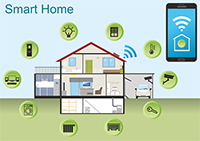
Insurers increasingly use technology—like thermal imaging cameras, online risk tools, and data recorders—to find hidden hazards before they become costly claims.
Thermal imaging can reveal hot electrical connections or cool areas from leaks, while address-based risk maps and inexpensive leak alarms help homeowners reduce losses from water, wildfire, and storm surge.
Some insurers are also developing sensors and analytic systems to speed damage detection and claims handling, which can lower risk for both policyholders and carriers.
Key takeaways
- Thermal cameras detect hidden heat or cold spots that may indicate fire, moisture, or insulation problems.
- Simple alarms and address-based risk tools can prevent or reduce water and weather-related damage.
- New sensors and data recorders aim to speed claims and clarify causes of loss.
How it works
Thermal imaging cameras measure surface temperatures and create a visual map of hot and cool areas that are invisible to the eye.
An inspector trained in thermography can interpret readings to identify electrical hotspots, missing insulation, or areas of moisture that suggest plumbing leaks or roof problems.
Address-based online tools combine flood, wildfire, and storm-surge data with local maps to show homeowners their relative exposure to certain perils.
What it may cover (and what it may not)
Homeowners insurance typically covers sudden and accidental damage such as a water loss from a burst pipe or fire damage caused by an electrical fault, subject to policy terms, limits, and exclusions.
Preventive inspections and alarms help reduce the chance of covered losses, but regular maintenance issues, wear-and-tear, and some flood or seismic events may be excluded or require separate coverage.
If you want policies tailored for technology-related risks or energy-sector properties, consider reviewing specialized options like Technology Insurance or Thermal Energy Insurance.
Common mistakes to avoid
Assuming an inspection or alarm removes all risk is a mistake; these tools reduce but do not eliminate the possibility of loss.
Ignoring small signs (like damp spots, flickering lights, or inconsistent heating) can allow minor issues to grow into costly claims.
Failing to review policy exclusions and limits before a loss can leave homeowners surprised by out-of-pocket costs.
Questions to ask an agent
Ask what perils are covered, what types of inspections or devices the insurer recommends, and whether discounts apply for alarms or preventive measures.
Ask how claims are handled if a sensor or data recorder documents an incident and what documentation is required to support a claim.
If you need help selecting coverage or verifying endorsements, consider whether you want to talk to your agent about policy options and limits.
Next steps
Start by conducting a basic home check for visible signs of leaks, electrical issues, or poor insulation and address obvious maintenance items.
Consider scheduling a professional inspection—particularly for high-value homes or collections—and ask whether thermal imaging is part of that service.
Compare policy language for exclusions and limits, and discuss preventive-device discounts or endorsements with your agent before a loss occurs.
Frequently Asked Questions
Can a home inspection with a thermal camera prevent insurance claims?
Thermal inspections can identify hidden problems early, reducing the likelihood of some claims, but they cannot prevent all losses.
Will my insurer require sensors or data recorders?
Requirements vary by company and policy; some insurers encourage or offer sensors, while others may only suggest them as risk-reduction tools.
Do thermal cameras detect water leaks behind walls?
Thermal cameras can reveal cooler areas associated with moisture, which helps locate potential leaks, but results should be confirmed with moisture meters or further inspection.
Are discounts available for installing leak alarms or monitoring devices?
Many insurers offer discounts or incentives for approved alarms and monitoring systems, so check with your insurer or agent for eligible devices.