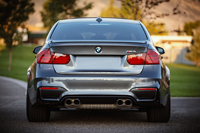
How old's your car? To save money, you may prefer to invest in older model cars. The insurance costs could take away any financial benefit, though, so understand if it's cheaper to insure an old or new car.
Drop Comprehensive Coverage
Older cars depreciate in value. Find your car's value in Kelly Blue Book or Edmunds then check your insurance policy.
If you're paying more for your comprehensive coverage than the car is worth, drop it and save money.
Your Age Matters
If you're a young or senior driver, be prepared to pay higher auto insurance rates because statistically drivers in these age groups have a higher risk of accidents.
On average, middle-age drivers enjoy the lowest insurance rates.
Check Out the Safety Features
The safety features on your vehicle can lower your insurance rates since they reduce the risk of accidents. Older cars without features such as automatic brakes and back-up cameras may be more expensive to insure.
Drive Safely
The way you drive can actually influence your auto insurance rates more than your car's age. Maintain a clean driving record to get the best rates.
Know Other Factors that Determine Insurance Rates
Your car's safety features, your age and your driving record impact your insurance rates. Other factors can affect your policy's costs, too.
- Marital status
- Gender (depending on the state in which you live)
- How often and where you drive the vehicle
- Claim history
If you work with specialty vehicles or commercial operations, you may need a tailored policy — see Auto Transportation Insurance for transport exposures or Auto Repossession Insurance for Tow and Repossession Companies for repossession operations.
How to Lower Your Rates
You increase your chances of earning low insurance rates when you take several steps.
- Don't drive while you're distracted. Pay attention to your surroundings and keep your focus on the road.
- Obey traffic laws and follow posted signs.
- Choose a higher deductible. By increasing your deductible, you can lower your annual vehicle insurance costs.
- Improve your credit score. Many insurance companies use your credit score to decide if you're a lower insurance risk, so improve your score to get lower insurance rates.
- Add a vehicle. Instead of purchasing two different insurance policies, add the second driver in your home to your policy and save money.
- Bundle different policies. Purchase auto insurance from the company that also insures your home or rented apartment, and you'll get a discount on your car insurance.
While the age of your car does affect your car insurance rates, other factors also determine the amount of insurance premiums you pay.
For more details, talk to your agent. He or she can also suggest additional steps you can take to lower your rates and get the insurance coverage you need.
If your vehicle is part of a manufacturing or fleet operation, consider specialized coverage such as Auto Component Manufacturer Insurance (Stamping Facilities) to address those risks.
Frequently Asked Questions
Is an older car usually cheaper to insure?
Often yes for liability and collision coverage because the car's value is lower, but particular factors like safety features and theft risk can change the cost.
Should I drop comprehensive coverage on an older car?
Consider dropping it if the annual premium plus deductible exceeds the vehicle's cash value, but weigh the risk of an uninsured loss first.
How does my age affect insurance rates?
Insurers charge higher rates for younger and older drivers because statistics show these groups have higher accident risk; middle-age drivers typically have lower rates.
Do safety features really lower premiums?
Yes; features that reduce the chance or severity of a crash or theft can qualify you for discounts with many insurers.