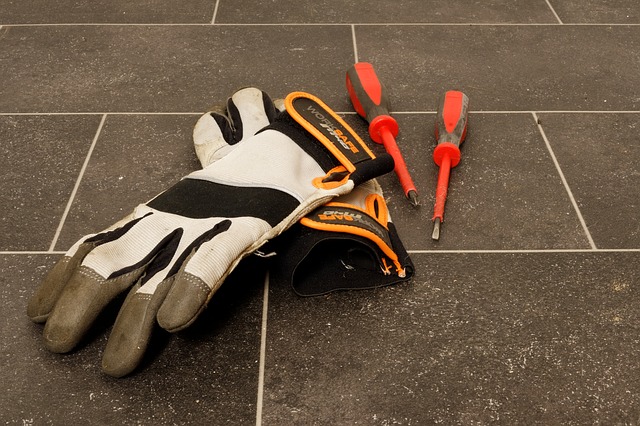
You want to get your money's worth out of every safety harness, hard hat and pair of goggles, but push these items to their limit and you're going to wind up with injuries and accidents on the jobsite that cost you a lot more than a few new helmets.
Here are a few signs that it may be time to toss that old safety gear in the trash and replace it with equipment you can trust.
The 5 Year Expiration Date
Many safety items list a five-year expiration date. That date should be thought of as a "definitely-no-later-than" guideline rather than a guarantee of safe usability.
The manufacturer cannot know how often a harness, respirator or other item was used or how it was stored, so heavy use or rough conditions can reduce safe life well before year five.
What Can Be Repaired?
Some components are designed to be replaced, such as elastic straps on goggles or suspension straps inside hard hats.
Keep a supply of approved replacement parts and follow the manufacturer’s instructions; avoid DIY fixes on structural components or items that are not intended to be repaired.
Signs Of Damage
A crack, hole, serious chip or fractured buckle is a clear sign to retire the item immediately.
Any cuts, fraying or deep abrasions on harness webbing, rips in respirator facepieces, or compromised seals on hazmat gear mean the equipment no longer provides its rated protection.
Signs Of Normal Wear & Tear
Minor scuffs and small nicks are expected, but when equipment starts to feel flimsy, looks thin, or you can no longer see clearly through goggles, it's time to replace it.
Regular inspections can catch progressive wear before it becomes a failure risk; document inspections and act promptly when condition declines.
Ultimately it comes down to one simple question: do you trust your equipment? If you have any doubt, replace it—your safety is not worth the risk.
For information about coverage options related to equipment and supplies, see Computers Peripheral Equipment/Software Wholesaler Insurance. If you're unsure about replacement or coverage, talk to an agent.
Frequently Asked Questions
How often should I inspect my safety gear?
Inspect equipment before each use and perform a more thorough check at regular intervals set by your employer or the manufacturer.
Can I repair a cracked hard hat or a damaged harness?
Minor replaceable parts like straps can be swapped, but cracked shells, fractured buckles, or damaged webbing should not be repaired and the item should be retired.
What is the safest way to dispose of retired safety equipment?
Follow local disposal rules and manufacturer guidance; for harnesses and gear that could be mistakenly reused, cut straps or mark them clearly as retired before discarding.