Overview
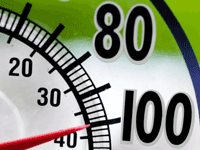
Outdoor work in hot weather can quickly lead to heat-related illnesses ranging from heat rash and cramps to heat exhaustion and potentially fatal heat stroke. Employers and workers should focus on prevention: regular hydration, scheduled rest breaks, shaded or cooled recovery areas, and training to recognize early symptoms.
Regulators and public health agencies publish guidance and tools for assessing heat risk and training workers, and many workplaces have adopted simple controls that significantly reduce incidents when consistently applied. For industry-specific resources, see Theatrical Producers Insurance.
Key takeaways
- Keep water available and encourage frequent sips rather than waiting until thirst begins.
- Schedule frequent rest breaks in shaded or cool areas, especially during peak heat.
- Train supervisors and crews to recognize early signs of heat illness and respond immediately.
- Monitor the work intensity and acclimatization of new or returning workers.
How it works
Heat illness occurs when the body can no longer cool itself effectively. Physical exertion, direct sun exposure, heavy or non-breathable clothing, and high humidity increase risk by reducing sweat evaporation.
Workplace prevention programs typically combine administrative controls (shift scheduling, rest breaks), engineering controls (shade, ventilation, cooling fans), personal controls (hydration, appropriate clothing), and training so that workers and supervisors can act early when symptoms appear.
For practical workplace guidance and tips on adapting tasks and schedules to reduce heat stress, see Coping with Heat and Humidity in the Workplace.
What it may cover (and what it may not)
Typical heat-illness guidance covers symptom recognition, first-response actions, hydration strategies, work-rest schedules, and recommendations for protecting vulnerable workers. It may also suggest using local heat-index information or mobile apps to adjust controls.
Such guidance does not replace medical care, and it does not address insurance policy details or claim handling; for information on safety and prevention that connects to broader facility risks, see Understanding Heating Safety and Heat Illness Prevention.
Common mistakes to avoid
- Assuming one water break per shift is enough; workers need frequent, small amounts of fluids.
- Failing to modify workloads or schedules during heat waves or high-humidity days.
- Not providing shaded or cooled recovery areas for regular rest breaks.
- Neglecting acclimatization—new or returning workers need gradual exposure to hot conditions.
Questions to ask an agent
When reviewing workplace risk and liability, ask about coverage limits, business interruption, and whether your policy recognizes heat-related incidents as part of workplace injury exposures.
If you want a direct discussion about insurance options for your operation, you can talk to an agent to review what coverages may be appropriate.
Next steps
Create or update a heat-illness prevention plan that includes hydration stations, shaded rest areas, a schedule for rest breaks, and a clear emergency response process for suspected heat stroke.
Train all workers and supervisors on symptom recognition and immediate actions to cool and transport someone who may have heat stroke, and routinely review the plan after hot-weather events or near-miss incidents.
Use local forecasts and heat-index guidance from public health agencies to trigger heightened controls and communicate expectations to crews before shifts begin. For venues and performance spaces, consult Theaters Insurance for related facility risk resources.
Frequently Asked Questions
What are early signs of heat-related illness?
Early signs include heavy sweating, weakness, dizziness, headache, muscle cramps, and nausea; these require immediate rest and cooling.
How much water should outdoor workers drink?
Workers should sip water frequently throughout the shift rather than waiting until they feel thirsty, aiming for several small drinks each hour depending on activity level.
When should a worker be removed from heat exposure?
Any worker showing signs of heat exhaustion or confusion should be moved to a cool area, given fluids, and monitored; if symptoms worsen or do not improve quickly, seek emergency medical care.
Can heat illness be prevented with schedules alone?
Schedules help but are more effective when combined with shade, hydration, training, proper clothing, and acclimatization practices.