Overview
Hot indoor temperatures can reduce comfort, focus, and productivity and create health risks for people who work in warm environments. Simple, low-cost steps — shading windows, improving air movement, dressing for the heat, and staying hydrated — often make a big difference before calling maintenance or changing HVAC settings.
If your business has unusual exposures because of the type of work or public events, make sure you review industry-specific guidance such as Theaters Insurance for performing arts venues to understand operational and liability considerations.
Key takeaways
- Reduce incoming heat (blinds, shades) and boost air movement (fans) to lower perceived temperature.
- Wear breathable, light-colored clothing and use cold compresses or ice water to cool quickly and safely.
- Stay hydrated throughout the day; regular sips are better than waiting until you feel thirsty.
- If your workplace has special exposures, check appropriate industry coverage and discuss options with an agent.
How it works
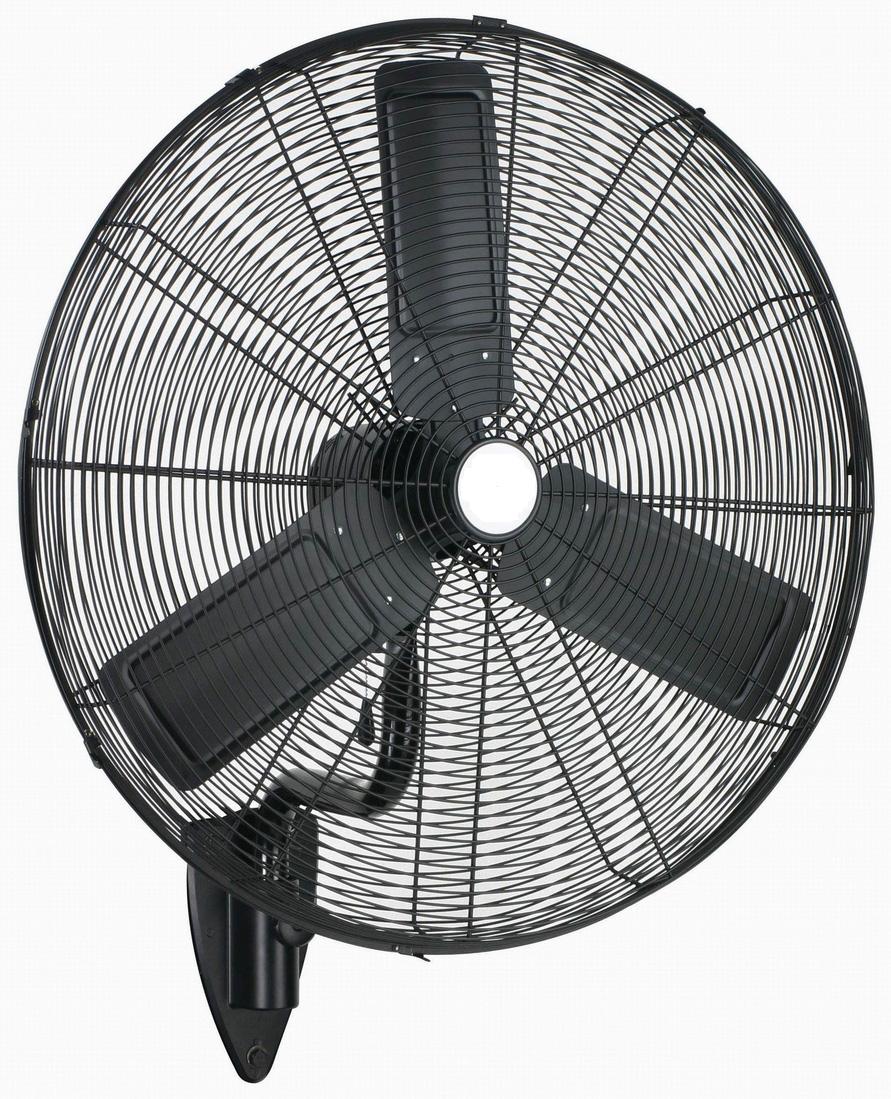
Perceived comfort indoors depends on air temperature, humidity, air movement, and radiant heat from windows and equipment. Blocking direct sunlight reduces radiant heat gain, while a fan increases air movement and helps sweat evaporate, which is the body’s primary cooling mechanism.
Local, targeted cooling strategies — like a desk fan, a chilled wristband, or a damp cloth on pulse points — cool the skin directly and can help you stay comfortable without changing the building HVAC settings. Combining small behavioral changes (hydration, clothing choices) with environmental adjustments usually gives the best results.
What it may cover (and what it may not)
Insurance policies for businesses generally address property damage, general liability, and injury to employees or visitors. Cooling-related discomfort itself isn’t an insurable loss, but related incidents — for example, an attendee fainting during an event or equipment failure that causes business interruption — may trigger coverage depending on the policy language.
For programs that run outdoors or involve animals and active participants, specialized lines exist; for example, organizers can review options available through Summer Camp Insurance for Horseback Riding to learn how coverage can address unique risks such as participant injuries or premises liability.
Note that routine comfort measures like portable fans or personal cooling devices are typically considered operational choices and are not insured per se, though related accidents (slips, electrical faults) could be covered under general liability or property policies if the policy applies.
Common mistakes to avoid
- Relying only on the central HVAC and ignoring simple, immediate fixes like shades or fans.
- Using ice or frozen items directly on skin without a barrier, which can cause cold burns.
- Waiting until someone feels ill before offering water or shade instead of encouraging regular hydration and short cool-down breaks.
Questions to ask an agent
Does our current policy cover heat-related incidents at our location and during off-site events?
Are there endorsements or industry-specific policies that better fit our type of workplace or customer activities?
What steps should we document or follow after a heat-related incident to support a potential claim?
Next steps
Start with practical, low-cost measures: close blinds on sunny windows, set up small fans for air movement, keep a chilled towel or cold pack available in a sealed bag, and encourage frequent water breaks. Encourage staff to dress in layers and light colors so they can adapt to meetings and common areas.
If you manage a venue or program with special exposures, review industry guidance and policy options, and then ask an agent to confirm whether your insurance limits and endorsements match your operational risks.