Overview
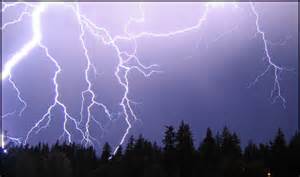 Lightning and summer storms can damage or destroy consumer electronics by sending high-voltage surges through power, telephone, cable and satellite lines. Taking a few preventive steps reduces the risk of costly losses and helps preserve data and equipment.
This guide explains basic protection options, how surge suppressors work, what insurance may cover, and practical next steps to protect your devices before, during and after a storm.
Key takeaways
- Unplugging devices is foolproof but not always practical.
- Surge suppressors and whole-home surge devices reduce risk but have limits.
- Line protection for phone, cable and internet is as important as power protection.
- Keep records and check your policy so you can file a claim if lightning strikes.
How it works
Lightning creates sudden voltage spikes that travel along conductive paths into your home: electrical wiring, phone lines, cable and satellite connections. A surge suppressor diverts or absorbs that excess energy before it reaches connected electronics.
There are several types of surge protection: plug-in power strips with surge suppression, dedicated wall-mounted or in-panel whole-home surge suppressors, and inline filters for data and coaxial lines. Each device has a limited capacity and may need replacement after a major surge.
Some businesses or homeowners may also consider credits or incentives for protective systems, especially where commercial monitoring or detection is used, for example Lightning Detection Systems Credit. Retailers and repair shops should review business-specific coverages such as Radio, Television, Stereo, Video Electronics Store Insurance.
What it may cover (and what it may not)
Homeowners or renters insurance may cover electronic devices damaged by lightning under the policy’s covered perils, but coverage and limits vary by policy. A connected equipment warranty from a surge protector manufacturer can also pay for repairs or replacement when the protector fails to stop a surge.
Not all policies automatically include full replacement for electronics or data recovery costs, and some require proof of loss, so document serial numbers, model numbers and original purchase information. For general guidance on insurance and electronics protection, see Protecting Electronics: Damage, Theft and Insurance Coverage. For broader preparedness and home safety steps related to storms and lightning, consult additional resources such as Storms, Lightning and Home Emergency Preparedness. If you handle disposal or resale of damaged electronics, consider related coverage like E-waste Recycling Insurance.
Common mistakes to avoid
Relying only on a basic power strip without surge protection leaves devices exposed. Many inexpensive strips look similar to surge protectors but lack suppression circuitry.
Neglecting non-power lines is a frequent oversight; phone, DSL, ethernet and cable lines can transmit surges into equipment even when the device is unplugged from AC power.
Failing to replace a surge suppressor after a heavy strike is another mistake—many suppressors sacrifice internal components to absorb a surge and may no longer protect effectively.
Questions to ask an agent
Does my homeowners or renters policy cover lightning damage to electronics and data, and are there special limits or deductibles?
Are there recommended endorsements or riders for high-value electronics, or a connected equipment endorsement that specifically covers devices damaged while plugged into surge protection?
What documentation will I need to file a claim for damaged electronics (photos, receipts, serial numbers)?
Will my policy cover replacement cost or only actual cash value for damaged devices?
If I have a whole-home surge protector installed, does that affect my coverage or claims process?
Next steps
Inspect current surge protection: replace worn or old plug-in suppressors and consider whole-home surge protection installed at the service panel for broader defense.
Protect data by keeping regular backups off-site or in the cloud and label electronics with serial numbers and purchase dates so you can provide documentation if you need to file a claim.
Install line-level protection for cable, satellite, phone and ethernet connections and verify that critical equipment—computers, routers, TVs and gaming consoles—are plugged into surge-protected outlets.
If you want professional help reviewing coverage or getting a quote, talk to an agent about your options and whether additional endorsements are advisable.
Frequently Asked Questions
Will unplugging my devices completely protect them from lightning?
Unplugging devices from power and data lines removes the most direct path for a surge and is very effective, but it is not always practical or possible when you are away from home.
Does a power strip protect my TV and computer from lightning?
Only surge suppressor-rated power strips offer protection; standard power strips do not. For high-value items, choose a tested suppressor with a connected equipment warranty.
Should I install whole-home surge protection?
Whole-home surge protectors at the service panel provide broader protection for the entire electrical system but should be used alongside point-of-use suppressors and line protection for best results.
What records do I need to file an insurance claim after lightning damage?
Keep photos of the damage, serial and model numbers, receipts or proof of purchase, and any service or repair estimates to support your claim.