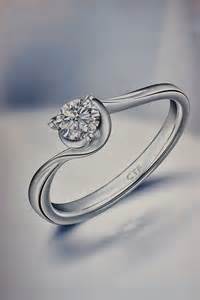
 Valued at $46.2 million, the Graff Pink diamond is one of the most expensive pieces of jewelry in the world. Your jewelry box might not hold anything that priceless, but you certainly want to insure your valuable or sentimental pieces, including the diamond cufflinks you wore at your wedding or your grandmother's ruby brooch. November is Real Jewelry Month and it's a good time to make sure your necklaces, bracelets, rings and other real jewelry are insured. If you own high-value pieces, consider specialized coverage such as Jewelry and Precious Metal Insurance or a valuables floater like Jewelry and Fur Floaters (Inland Marine / Valuables Floaters).
How to insure your jewelry
- Hire an independent appraiser. An independent appraiser will carefully and thoroughly inspect each piece of jewelry you own and determine the exact value of your pieces. Be sure to obtain a signed document that includes a detailed description and the appraiser's value for each piece.
- Check your current insurance policy. Most homeowner or renter insurance policies include cash value or replacement coverage for personal belongings. As long as that limit is high enough to cover everything you own, including your real jewelry, you're set.
- Purchase a rider. If your current policy does not cover your valuable gems, purchase a rider. It offers additional coverage for your precious collection.
- Take pictures of all your pieces. The police need detailed descriptions of your jewelry if a piece is lost or stolen. Take clear, detailed photos of each piece to increase the likelihood of recovery.
- Update your inventory regularly. Once you're sure your jewelry is adequately insured, mark your calendar for an annual inventory review. Add new pieces you recently purchased and remove pieces you sold or gave away to ensure your collection is completely covered.
- Inspect your jewelry. As part of your annual review, take your jewelry for an inspection. The jeweler will look for loose settings, chips or scratches. Take new pictures after any needed repairs are made.
- Store your jewelry in a safe place. Insurance will replace your real jewelry if it's lost, stolen or damaged, but don't take chances. A fireproof safe hidden in your home or a safety deposit box at the bank protects your gems, especially if you own expensive pieces that you wear only on rare occasions.
You do not want to file a claim for stolen jewelry and find out it wasn't insured. Follow these tips and talk to your agent today as you protect your valuable collection and celebrate Real Jewelry Month.
Frequently Asked Questions
Does a homeowner's policy usually cover jewelry?
Most homeowner and renter policies offer some coverage for personal property, but high-value jewelry often exceeds those limits and may require a rider or floater for full protection.
What is a rider or floater for jewelry?
A rider or floater is an endorsement that provides additional coverage for specific valuable items, often covering agreed value, loss, theft, or mysterious disappearance.
How often should I have my jewelry appraised?
It's a good idea to have high-value pieces appraised every few years or after significant market changes, and to update appraisals after repairs or modifications.
What documentation should I keep for each piece?
Keep the appraisal report, purchase receipts, and clear photos of each item in a secure location to speed up any future claim or recovery efforts.